
Last updated November 16, 2026
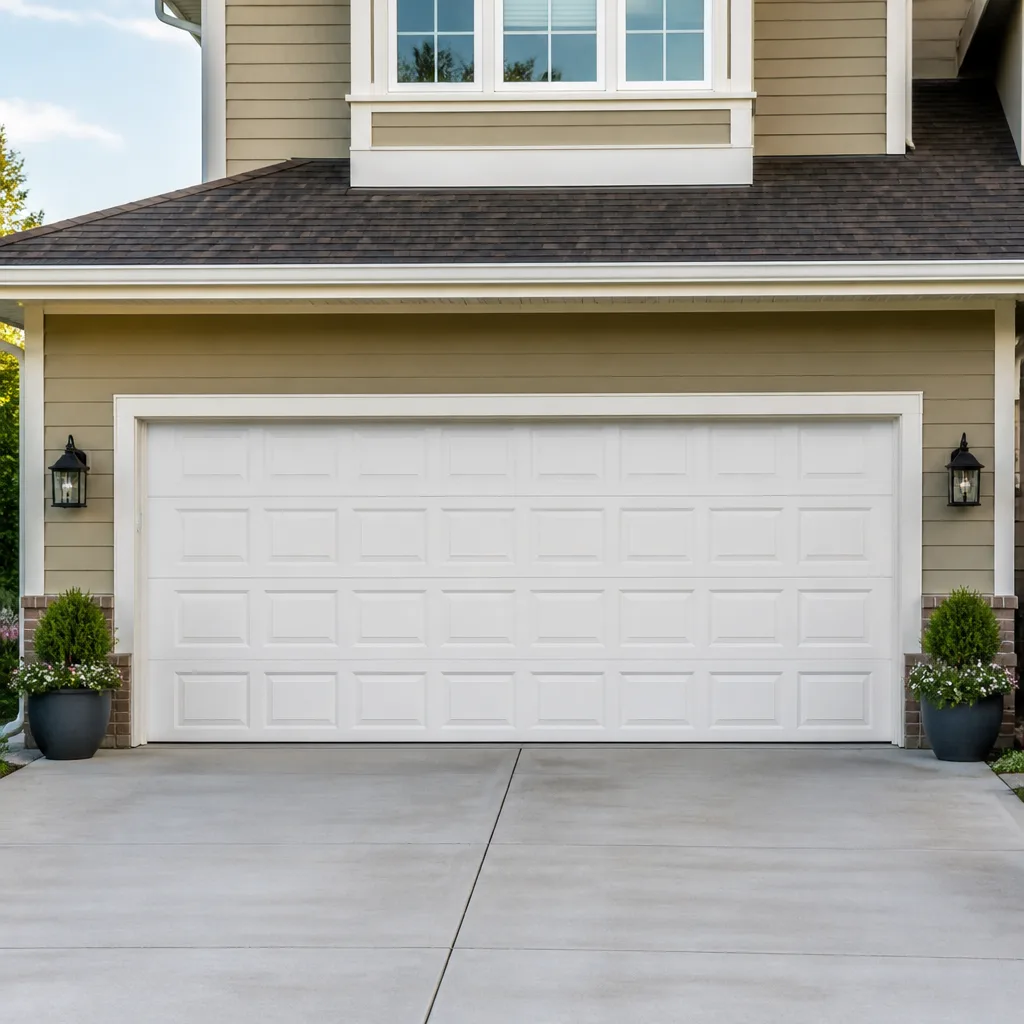 Raised-panel steel
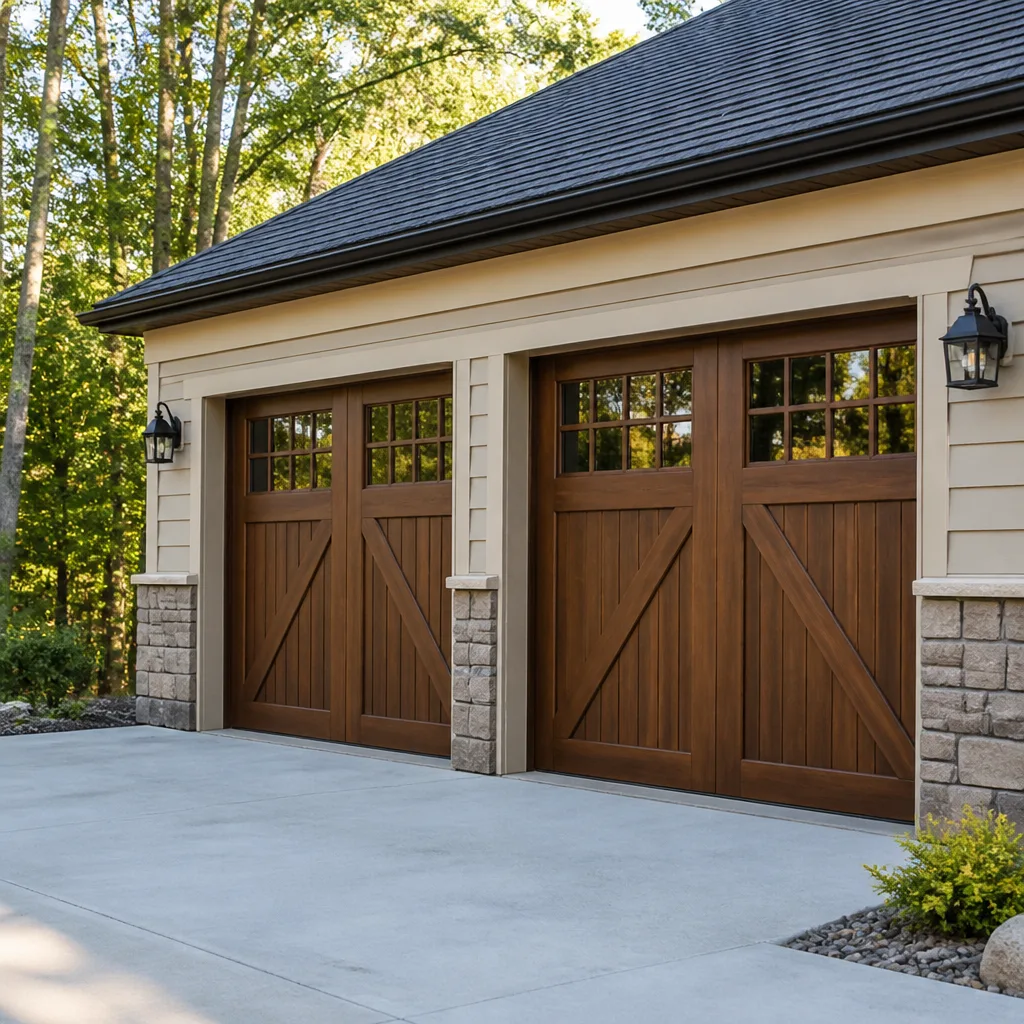 Carriage house
 Modern flush
 Full-view glass
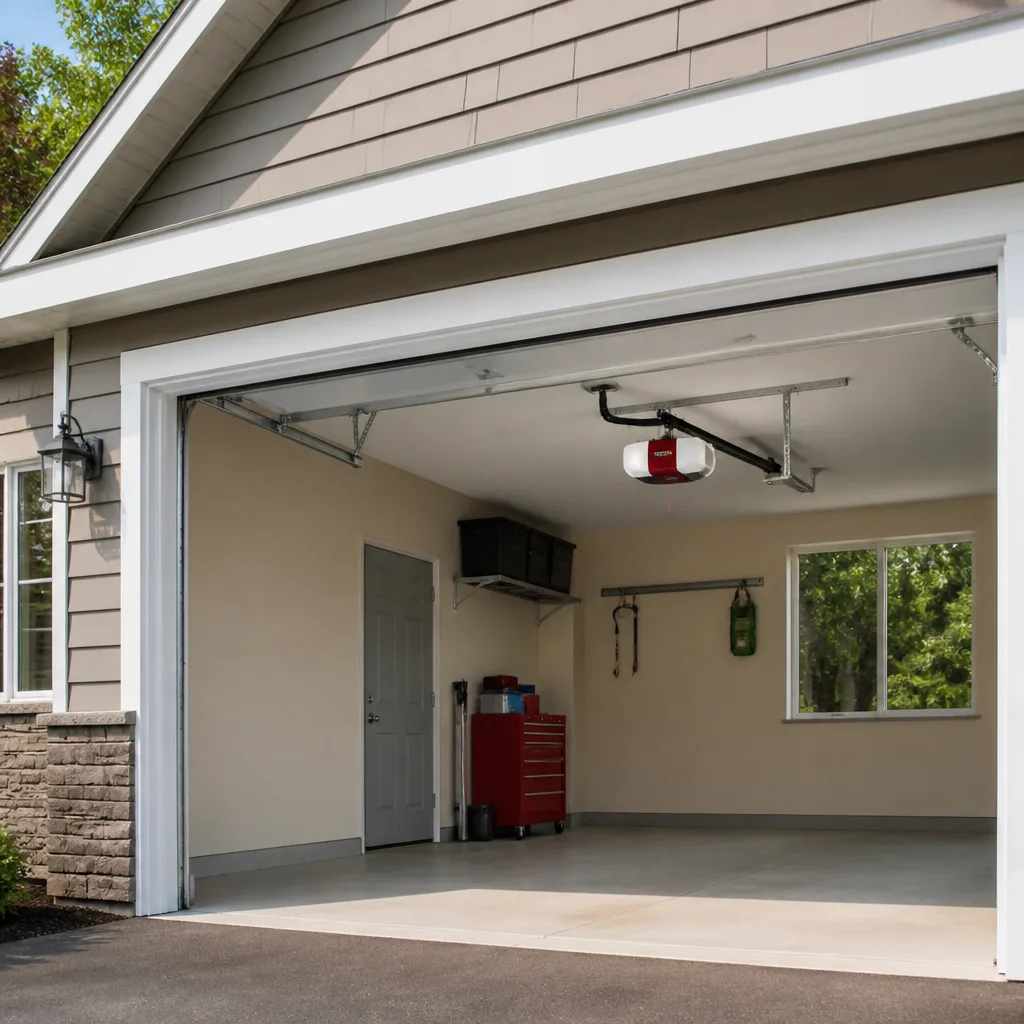 LiftMaster openers
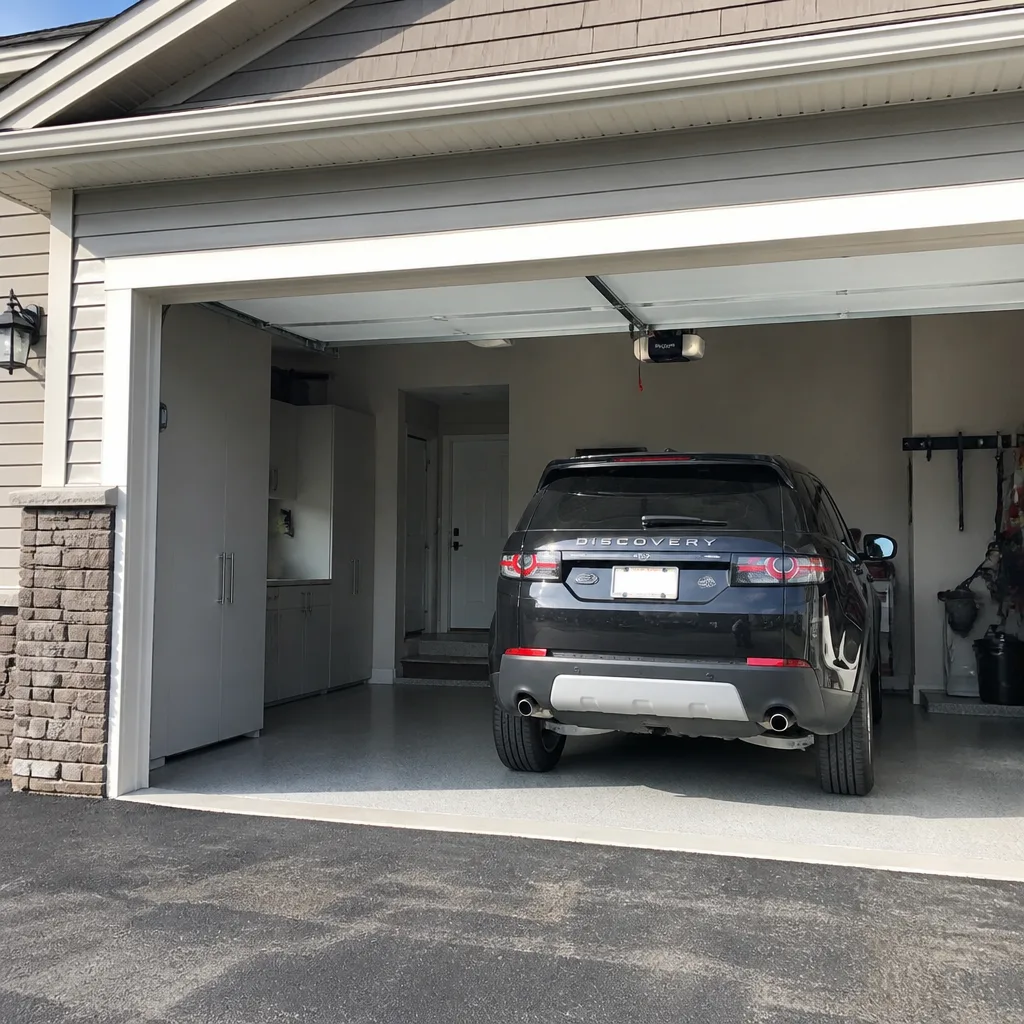 Chamberlain openers
Full 25-point door and opener safety check with every visit - springs, cables, rollers, tracks, and your LiftMaster or Chamberlain opener included
You get a price before we start. It does not change when the pro arrives.
Get your free estimateGarage Door Repair Maintenance Schedule: What to Do and When
The standard “lubricate every six months” advice was written for a door that opens twice a day. Plenty of South Fulton households trigger that door 10 to 15 times daily, and a garage door that cycles that often is on a completely different wear timeline than the one a manufacturer pamphlet assumes. It’s the largest moving entry point on your home, and its parts wear by the cycle, not by the calendar. This guide explains how to build a maintenance schedule around your household’s real usage, which tasks shift with the South Fulton climate season by season, which products quietly ruin rollers and seals, and which checks belong to a trained technician rather than a weekend project. We’ll give you a printable log so the history is visible at any service call.
Quick Answer
A garage door maintenance schedule should be timed by how often your door cycles, not by a fixed calendar. An average household needs a basic tune-up every six months or so, while a high-traffic home (teens, multiple drivers, a home business) should compress that rhythm and check the door roughly every three to four months, with an annual professional inspection covering spring tension, cables, and opener force settings. In South Fulton’s humid springs and hot summers, seasonal seal and track checks matter as much as lubrication.
Styles & brands we work with
- Raised-panel steel
- Carriage house
- Modern flush
- Full-view glass
- LiftMaster openers
- Chamberlain openers
Table of Contents
- Build Your Schedule Around Usage, Not Just Months
- The South Fulton Maintenance Calendar at a Glance
- Which Lubricant Goes on Which Component
- Products That Quietly Damage Your Door
- Seasonal Tasks That Change in the South Fulton Climate
- Daily and Weekly Checks You Can Do in Under a Minute
- What Only a Professional Should Check Each Year
- Your Printable Maintenance Log
- Common Mistakes to Avoid
- When to Call a Professional
- Frequently Asked Questions
Build Your Schedule Around Usage, Not Just Months
A garage door is a mechanical system with a finite number of open-and-close cycles before parts need attention. Lubrication, rollers, springs, and cables all decline in proportion to how hard the door works, not how many months have passed. That’s why a two-person household where the car sits in the driveway most days and a five-person household with three drivers, a home-based business, and a teenager running in and out are not on the same maintenance rhythm, even if they live a few streets apart in South Fulton.
Here’s a simple way to classify your home and set the base frequency.
- Low traffic (0 – 4 cycles per day): one car, mostly parked. A basic check and lubrication every six months, professional inspection once a year.
- Average traffic (5 – 8 cycles per day): a typical two-driver household. Lubrication and visual check every six months, professional inspection once a year.
- High traffic (10 – 15 or more cycles per day): multiple drivers, teenagers, deliveries, or a home business with a door that opens and closes all day. Compress the routine: check and lubricate every three to four months, and consider a professional inspection twice a year, or once if you keep the log faithfully.
If you can’t estimate cycles, spend a single day counting. Put a sticky note by the opener button and tally every open and close. Most families are surprised by the number. Remember the operational note that same-day and safety service for a failing door is booked through our Sentry Garage Door Repair team, but routine maintenance is yours to own and schedule.
The South Fulton Maintenance Calendar at a Glance
Once you know your usage tier, line tasks up against the season they belong in. The table below is a starting rhythm for an average-traffic home; compress everything for high-traffic households, and stretch a little for one that barely opens.
- Every month: visual glance at the springs, cables, and rollers; make sure the safety reverse works.
- Every three to four months (high-traffic homes): full lubrication of hinges, rollers, and torsion spring coils; track wipe-down; bottom seal check.
- Twice a year (spring and fall): balance test, door alignment, weatherstripping inspection, opener safety test by the book.
- Spring, in South Fulton: humidity checks on wood door panels and seals; look for swelling and sticking where the door meets the frame.
- Summer, in South Fulton: watch steel panels for heat-related expansion, sticking tracks, and weatherstripping that has gone soft or tacky in the heat.
- Fall, in South Fulton: clear leaves, seed pods, and grit from the bottom seal and track; check that debris isn’t dragging the door off-line.
- Once a year: professional inspection covering spring tension calibration, cable drum wear, and opener force-limit settings.
This framework is deliberately smaller than most printed checklists. The point isn’t doing more; it’s doing the right task at the right time for the way your household actually lives in South Fulton.
Which Lubricant Goes on Which Component
Lubrication is the single most misapplied maintenance task on a garage door. The wrong product on the wrong part can wear a roller faster than no product at all. Use the following mapping.
- Hinges and pivot points: a white lithium grease or a dedicated garage-door lubricant. A light, non-messy spray is fine here.
- Rollers (nylon or steel): a silicone-based spray. Nylon rollers and lubricants with petroleum solvents don’t get along, and silicone is the safe pick.
- Torsion spring coils: a garage-door-specific spring lubricant, applied sparingly. Never soak the spring; a light film is enough.
- Weatherstripping and rubber seals: a silicone spray or a rubber-safe conditioner, not a grease or a solvent-based product. Rubber that has been softened in the summer heat is especially easy to harm.
- Tracks: generally do not lubricate them. Wipe clean with a slightly damp cloth and let them be. Grease in a track collects grit, and grit is what makes a door drag.
What common household products actively hurt the door?
- WD-40 as a general-purpose spray: it’s a solvent more than a lubricant, and it will dry out nylon rollers and rubber seals over time. It doesn’t replace a proper lubricant.
- Petroleum or axle grease: attracts grit to tracks and hinges and can swell or soften rubber seals.
- Graphite powder: fine on a lock, but it does nothing useful for rollers or hinges and can leave a mess.
Our technicians work on the brand you already have, whether that’s a Wayne Dalton, Raynor, LiftMaster, or Craftsman system, so they recommend the lubricant and the part that actually fit it, not the one we’d like to sell you.
Products That Quietly Damage Your Door
Most garage doors aren’t damaged by neglect alone; a segment are damaged by well-intentioned maintenance with the wrong product. The pattern is consistent enough that we’ve seen it across South Fulton homes of every age and builder. The three offenders stand out.
WD-40 on everything. It’s the first can most people grab. On a door, it strips away useful lubricant and leaves nylon rollers dry and noisy. It’s not a replacement for a proper hinge and roller lubricant.
Petroleum grease in the track. Grease makes a track feel smooth for a week, then it traps grit and fine grit turns into drag and wear. If you’ve ever had a door that got louder after a “lubrication”, this is often why. Wipe tracks clean; don’t grease them.
Solvent-based products on seals. Rubber weatherstripping reacts to solvents by going stiff or tacky, and it stops sealing. Silicone spray or a rubber-safe conditioner is the right product instead.
If you’re not sure what a component needs, that’s a good moment to ask. Carrying the wrong product into the next six months is the slow version of a repair bill. That’s why we always frame a maintenance call as a check, not a sales visit: we’d rather leave a door well-tuned than talk you into a replacement.
Seasonal Tasks That Change in the South Fulton Climate
South Fulton’s climate does the mechanical parts no favours because the seasons run hot and humid, then hot and dry, then cool and damp. Each shift puts a slightly different stress on the door. Here’s what changes and when.
Spring: humidity builds. Wood door panels and wood-framed seals can swell and start to stick at the frame. Check the bottom seal and weatherstripping for soft, sagging, or displaced sections. Wood-filled doors benefit from a look at any paint or sealant that’s cracking.
Summer: heat expansion on steel panels is real. Panels can bow slightly, weatherstripping can soften and lose its grip, and tracks can bind when the door is hottest in the afternoon. If a door that used to run quietly now grinds, check it early in the morning and again in the afternoon to see if the noise tracks with temperature.
Fall: debris matters more than most people think. Leaves, seed pods, and grit collect at the bottom seal and in the track, and a small amount of debris under the seal keeps the door from sealing and eventually wears the seal itself. Clear the seal and the track edges as part of your routine.
Winter: cooler and damper, seals stiffen and may need a check. This is also the season to look at the opener’s safety reverse because a stiff seal can change the way the door closes.
These climate tasks are specific to the South Fulton area and don’t appear on a generic national checklist. Including them is what makes a door last well here.
Daily and Weekly Checks You Can Do in Under a Minute
Most maintenance failures start as small sounds or small observations. A daily glance and a weekly minute of attention catch them early.
Daily:
- Listen as the door opens and closes. A new grinding, popping, or scraping noise is a signal, not background.
- Watch the door through its full travel. Does it move smoothly, or does it hesitate, bind, or reverse partway?
- Check the gap at the bottom. A door that doesn’t sit flush to the floor leaks air, water, and pests.
Weekly:
- Run the safety reverse test: place a sturdy object, like a piece of 2×4, under the closing door. It should reverse on contact.
- Check the balance test: lift the door by hand to about waist height (with the opener disengaged) and let go. A well-balanced door should hold or move very little. If it drops or rises on its own, that’s a flag for a professional.
- Wipe off any debris visible on the track edge or bottom seal.
Do these checks with the door’s power disengaged when the task involves reaching under a moving door. And never put a hand near a spring to check tension; that’s a job for a professional.
What Only a Professional Should Check Each Year
Not every check belongs to a homeowner. Some items are either dangerous to assess or require tools and training to judge correctly. The annual professional inspection is where these live.
- Spring tension calibration: a torsion spring stores a lot of energy. Wrongly adjusted, it can injure someone badly. A trained technician checks tension with the door in the right position and the right equipment. Never try to adjust, tighten, or unhook a spring on your own.
- Cable drum wear: the drums at the ends of the torsion shaft take the load every cycle. Worn or frayed cables can snap. A technician checks their condition and their wind on the drum. This is also not a homeowner task; a tensioned cable can cause serious injury.
- Opener force-limit settings: the opener has force limits that decide how hard it pushes before reversing. Set too high, the safety reverse can fail. Set too low, and the door reverses on its own. A professional verifies these against the door’s weight and the opener’s manual.
- Roller and hinge condition end to end: a professional checks every roller and hinge under load, not just the ones that are easy to see.
- Fastener tightness and panel integrity: a technician checks the bolts that hold the tracks and spring hardware in place, and looks for bent or cracked panels.
Our technicians have up to 9 years of experience and are trained across the leading brands, including LiftMaster, Chamberlain, and Genie openers, so they know what force limits and hardware should look like for the system on your door. A free estimate is the right first step when anything here is in doubt.
Your Printable Maintenance Log
A maintenance log turns “I think it was last spring” into a visible history. Keep it on a clipboard in the garage or taped inside the door of a cabinet, and take a photo of it now and then so it’s on your phone too.
Copy this table into a notebook or print it. Add a line each time you do a task.
- Date – the day you did the task.
- Task – lubrication, seal check, safety test, professional inspection, repair.
- Component – hinge, roller, spring, seal, opener, cable, track.
- Observation – what you saw or heard, including “quiet” if all good.
- Who – yourself or a professional.
- Follow-up – what needs another look, and when.
This log is genuinely useful when you call for service. It lets a technician see when the door was last lubricated, whether a noise has been getting worse, and whether the safety reverse has ever been tested. Our Sentry standard of service treats the log as a real asset: a door with a written history is diagnosed right the first time instead of guessed at.
Common Mistakes to Avoid
- Following a generic six-month rule even when your door cycles 15 times a day. The straight-time rule can leave a busy door under-maintained. Count your cycles and compress the schedule accordingly.
- Spraying WD-40 on nylon rollers and rubber seals as a quick fix. It cleans the surface and does the wrong thing to the material. Use a silicone spray on rollers and seals.
- Greasing the tracks to make them quiet. Grease attracts grit and grit increases drag. Wipe the track clean and leave it unlubricated.
- Trying to adjust the torsion spring yourself. A torsion spring stores dangerous amounts of energy. Adjusting it without training is a serious injury risk; call a professional.
- Ignoring the bottom seal in fall. South Fulton gets leaf and seed-pod debris that packs under the seal. A packed seal can wear the seal and stop the door sealing properly.
- Never testing the safety reverse. A failed safety reverse is a real hazard, and it takes about ten seconds to test. Do it once a week.
- Setting and forgetting the opener force limits. Force limits belong to an annual professional inspection. A wrong setting is a safety problem and can reverse the door on its own as seals change with the seasons.
When to Call a Professional
Some signals mean a professional should look at the door. A broken torsion spring (a loud snap followed by a door you can lift easily but the opener can’t raise) is an emergency. A door that reverses on its own, a door that off-tracks from its rollers, or a visibly frayed cable are also signals to stop operating the door. Any grinding or snapping noise that starts suddenly, a door that hangs on one side, or a bottom seal that’s clearly torn, all warrant a call. If a garage door has been damaged by impact (something backing into it), have the whole system checked, not just the panel.
Sentry Garage Door Repair offers free estimates in South Fulton, and we handle the door, the opener, and new installations under one call. Our technicians are licensed and insured, we quote the price and agree it before any work starts, and we’re factory-fluent across Wayne Dalton, Clopay, Amarr, Chamberlain, and Raynor systems. Call (833) 612-7942 for a free estimate. We answer 24/7. Fast dispatch from 7am to 7pm, Sunday through Friday.
Frequently Asked Questions
For an average household, a basic service and lubrication every six months plus a professional inspection once a year is a sensible rhythm. High-traffic homes should compress this to every three to four months for lubrication and routine checks. If a door fails or makes a new noise, that’s a signal to call regardless of the schedule.
No, and there are safety reasons why. Spring tension, cable drum wear, and the opener force-limit settings aren’t safe to assess without training, and they’re the checks most likely to prevent a serious failure. A diligent homeowner catches the wear on seals, rollers, and hinges; a professional catches the parts a homeowner shouldn’t be touching.
White lithium grease or a dedicated garage-door lubricant for hinges, a silicone spray for nylon or steel rollers and rubber seals, and a garage-door-specific product for torsion spring coils. Avoid WD-40 as a general lubricant, and keep petroleum grease off the tracks, where it traps grit.
Yes, slightly. Wood doors need more attention in South Fulton’s humid springs for swelling and cracked finish at the bottom and frame. Steel doors need more attention in summer for heat expansion, so watch for bowing panels and sticking tracks. Both benefit from a seasonal seal check in fall.
Spring life is counted in cycles, not years, so a door that opens 15 times a day will wear out its springs faster than one that opens twice. That’s why the maintenance schedule ties to household usage. If a door suddenly becomes hard to lift or the opener struggles, have the springs and cables checked by a professional.
We service all eight of the leading brands, including LiftMaster, Chamberlain, Genie, Clopay, Amarr, Wayne Dalton, Craftsman, and Raynor. That means the recommendation you get fits your door and opener, not a dealer agreement. Call (833) 612-7942 for a free estimate and to book a maintenance check or garage door repair.
The Bottom Line
A maintenance schedule works when it’s built around how much your door actually moves. Count your cycles, classify your household, and set the frequency from there, not from a generic six-month calendar. Use the right lubricant on the right part, keep WD-40 and petroleum grease off rollers, seals, and tracks, and sweep the bottom seal and track clean in fall. Watch for spring swelling on wood and summer expansion on steel. And keep a written log in the garage so a technician can diagnose faster and more accurately. Our technicians have up to 9 years of experience, and we treat the garage door as the home-security asset it is. If anything in your log worries you, call (833) 612-7942 for a free estimate. We answer 24/7. Fast dispatch from 7am to 7pm, Sunday through Friday.
Written by the team at Sentry Garage Door Repair.
See the difference
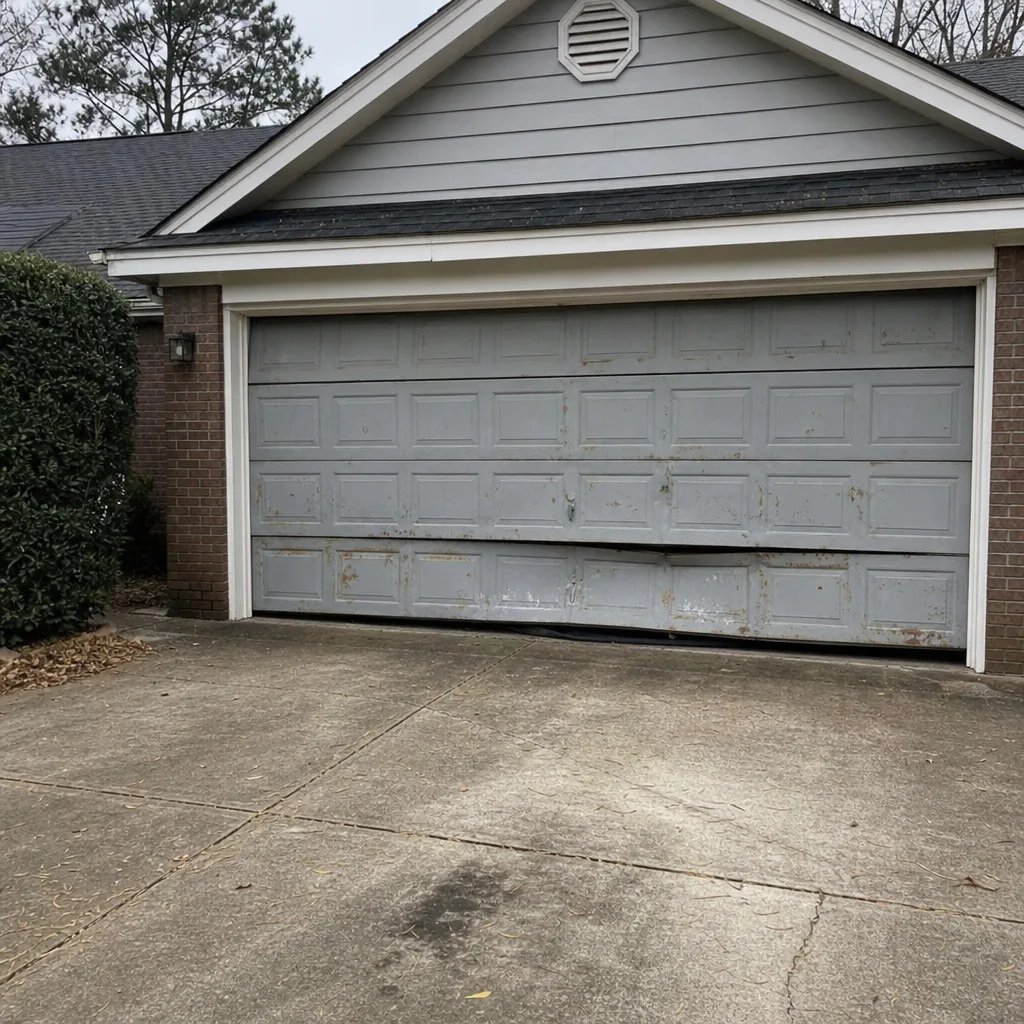 Before
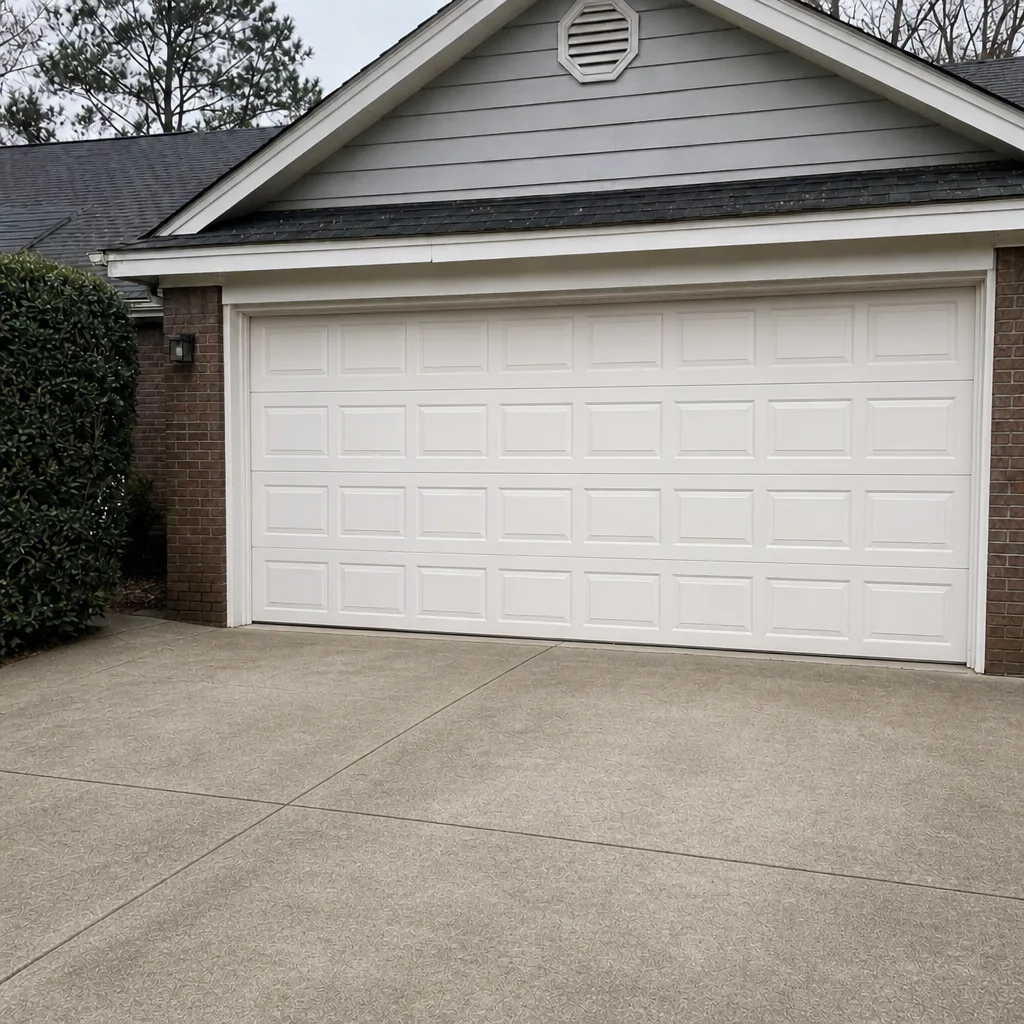 After
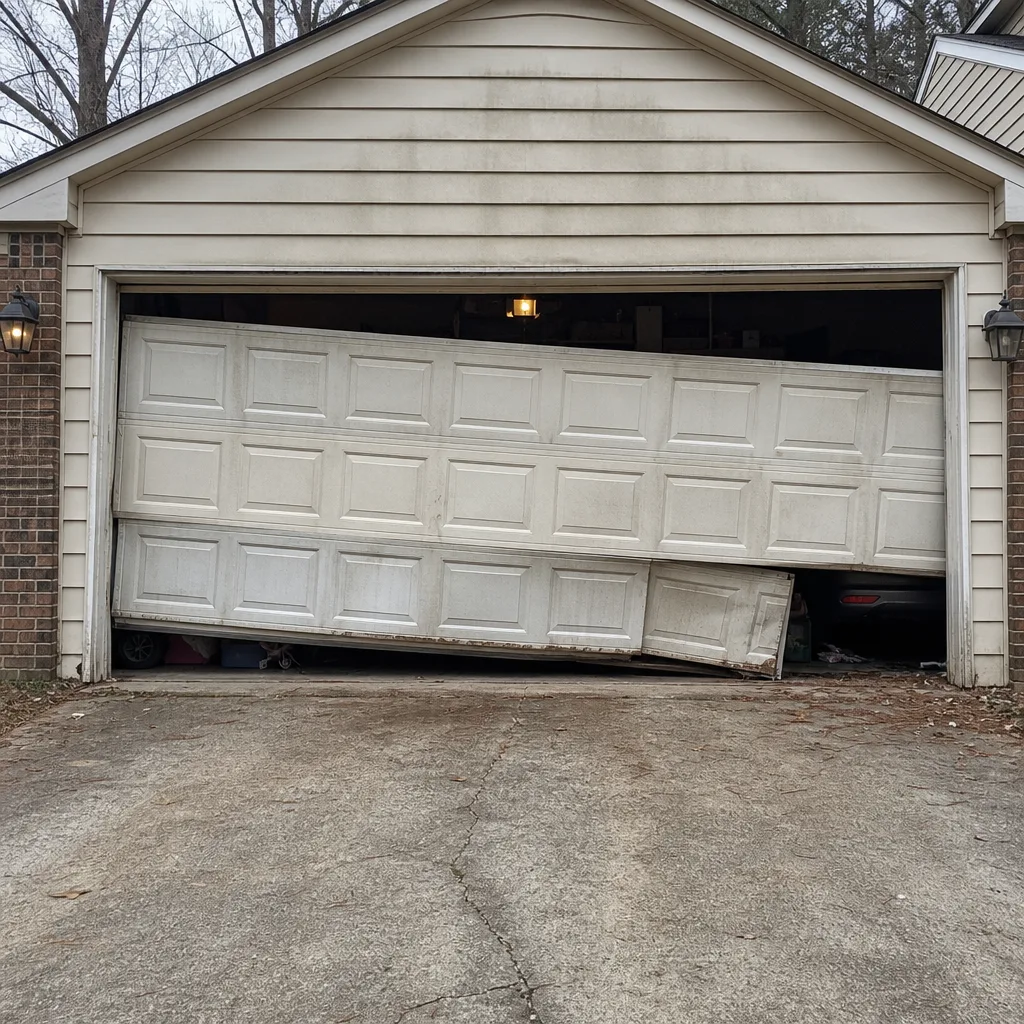 Before
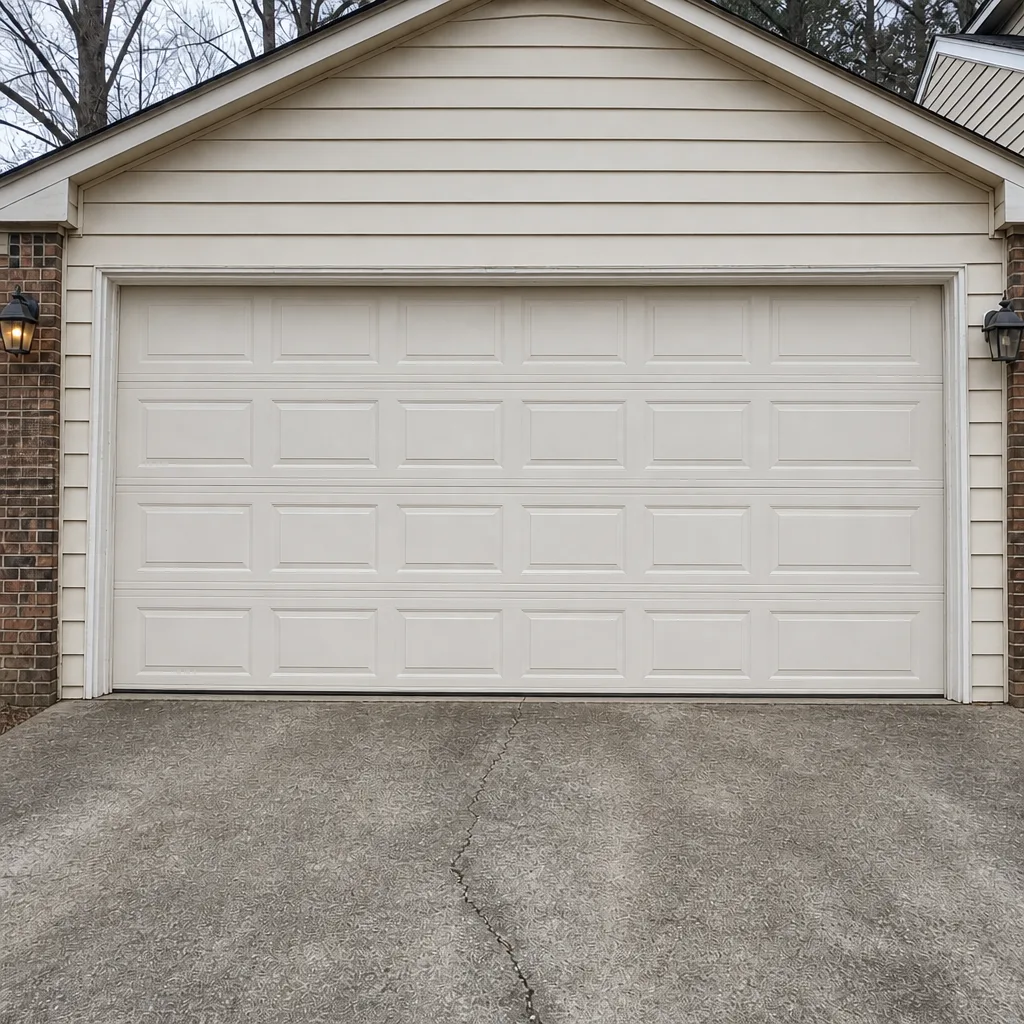 After
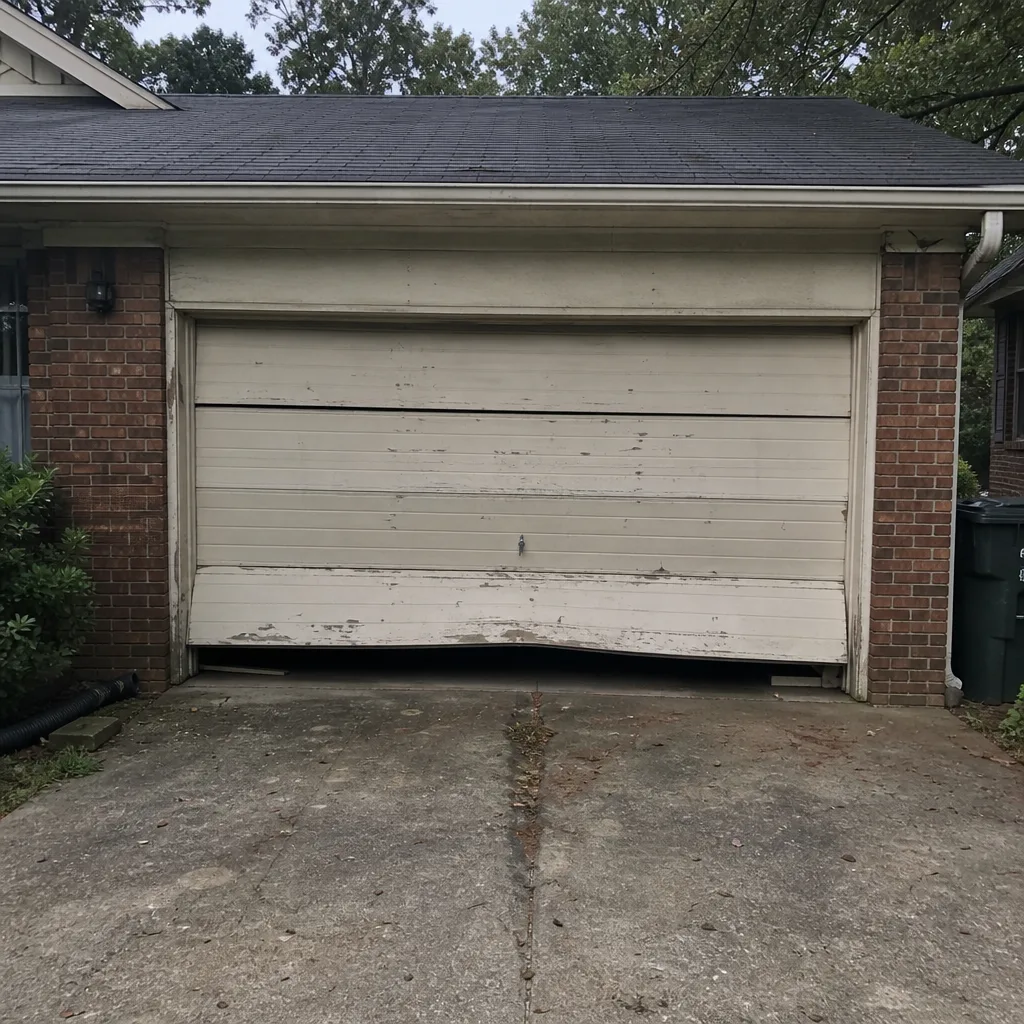 Before
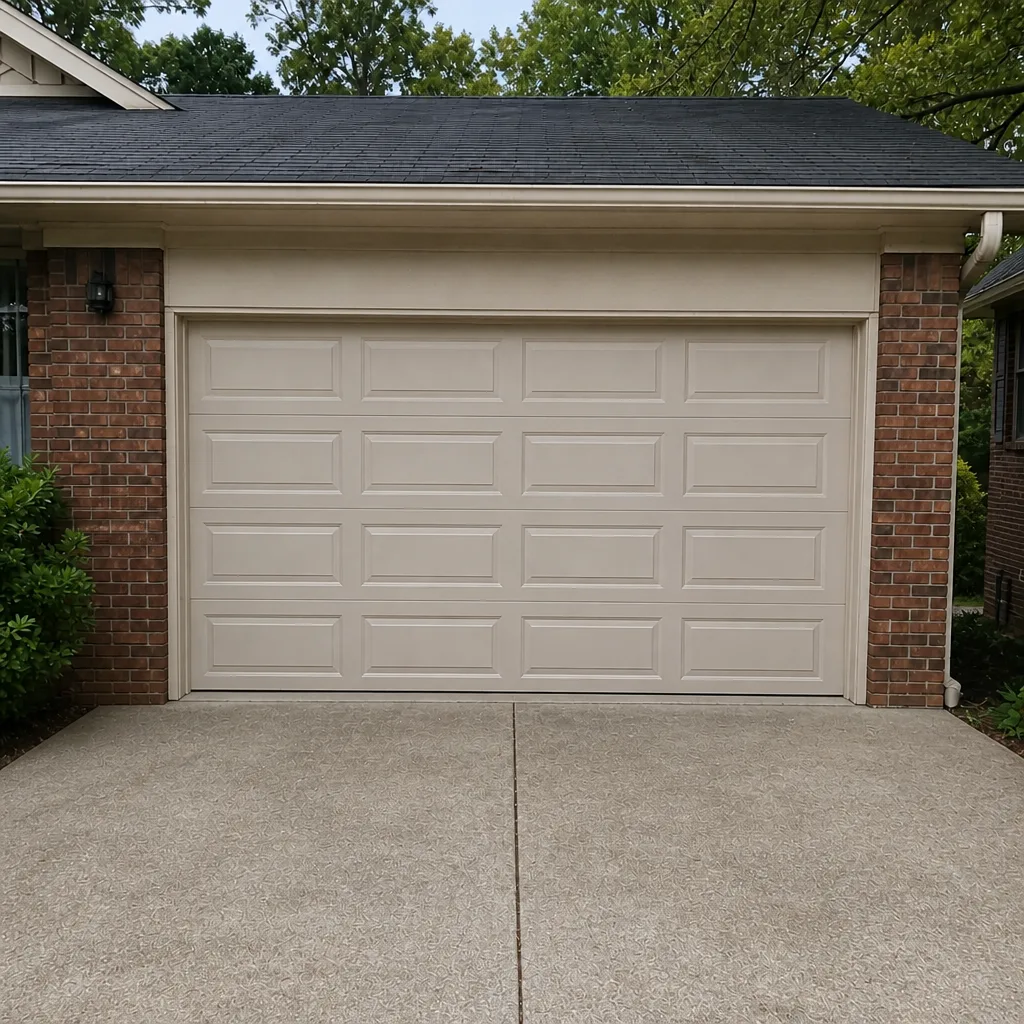 After