
Last updated November 16, 2026
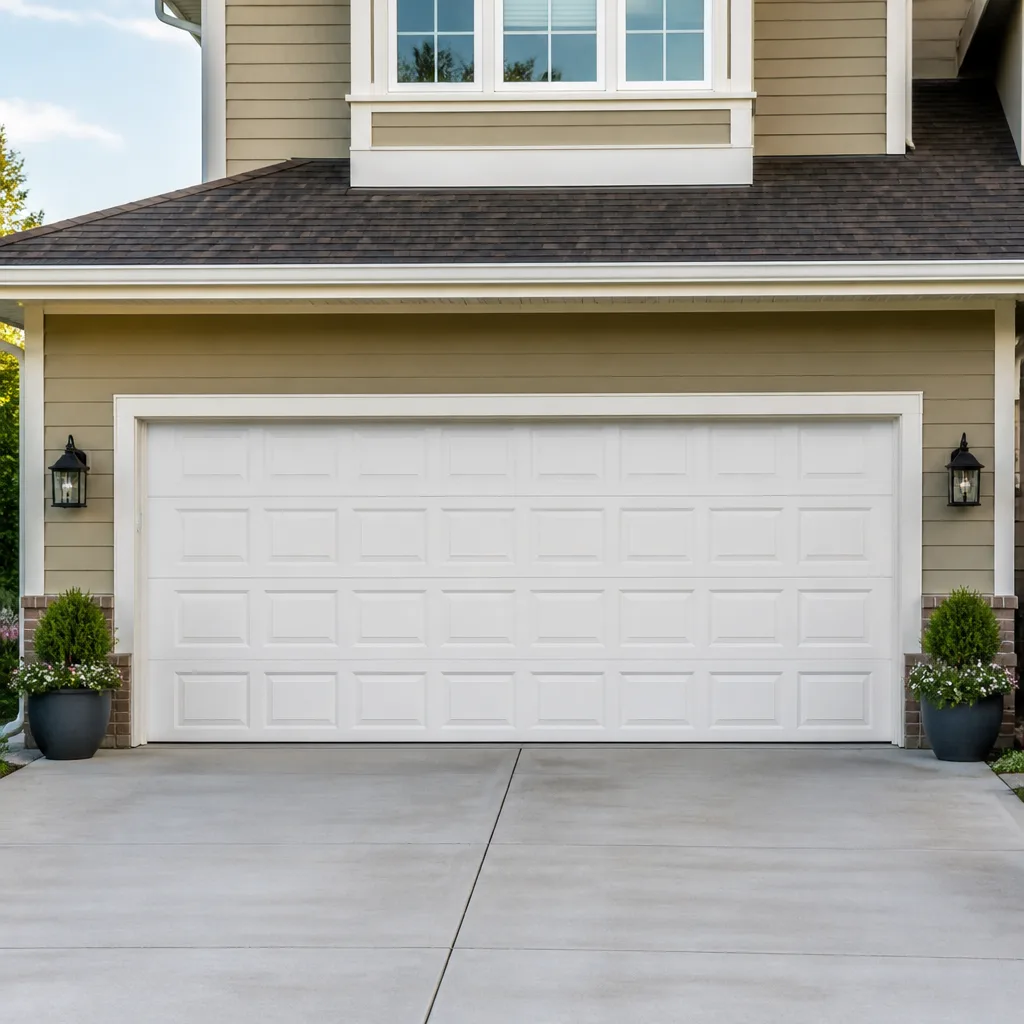 Raised-panel steel
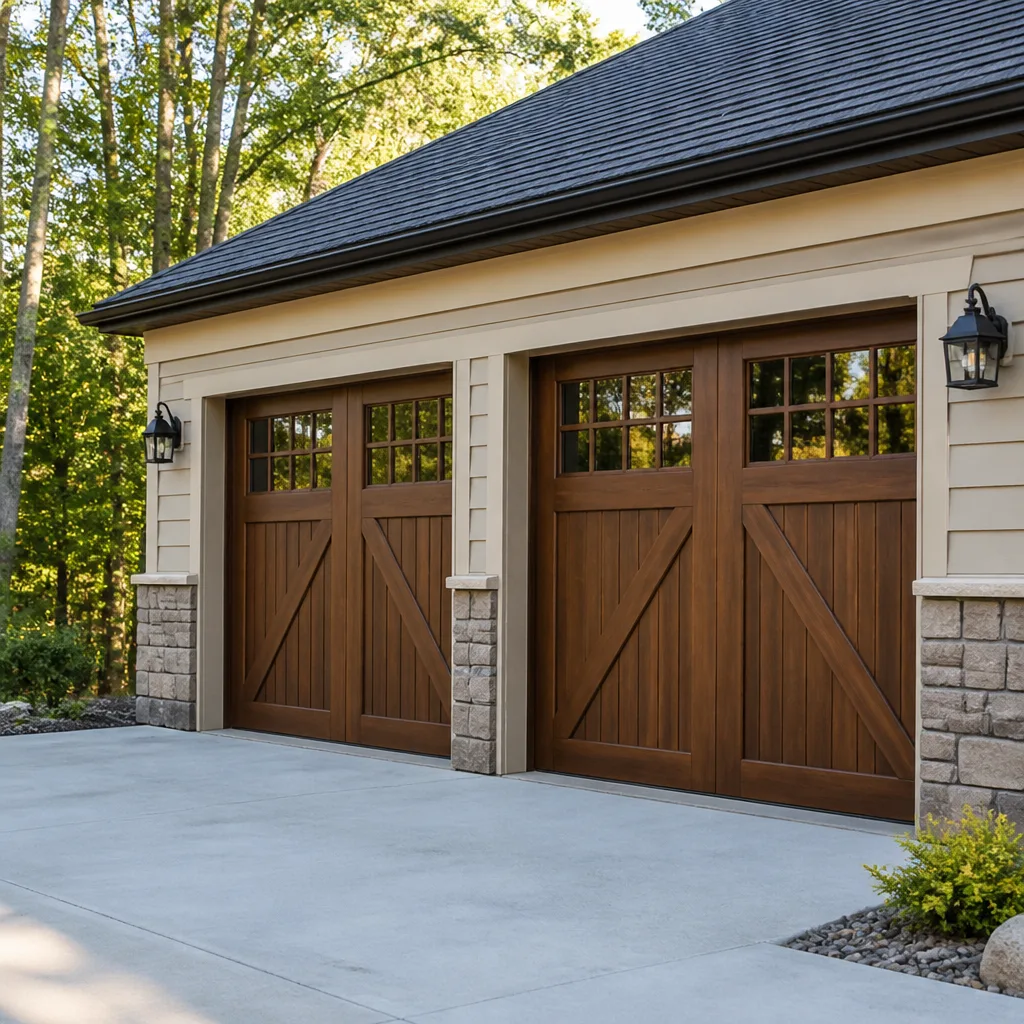 Carriage house
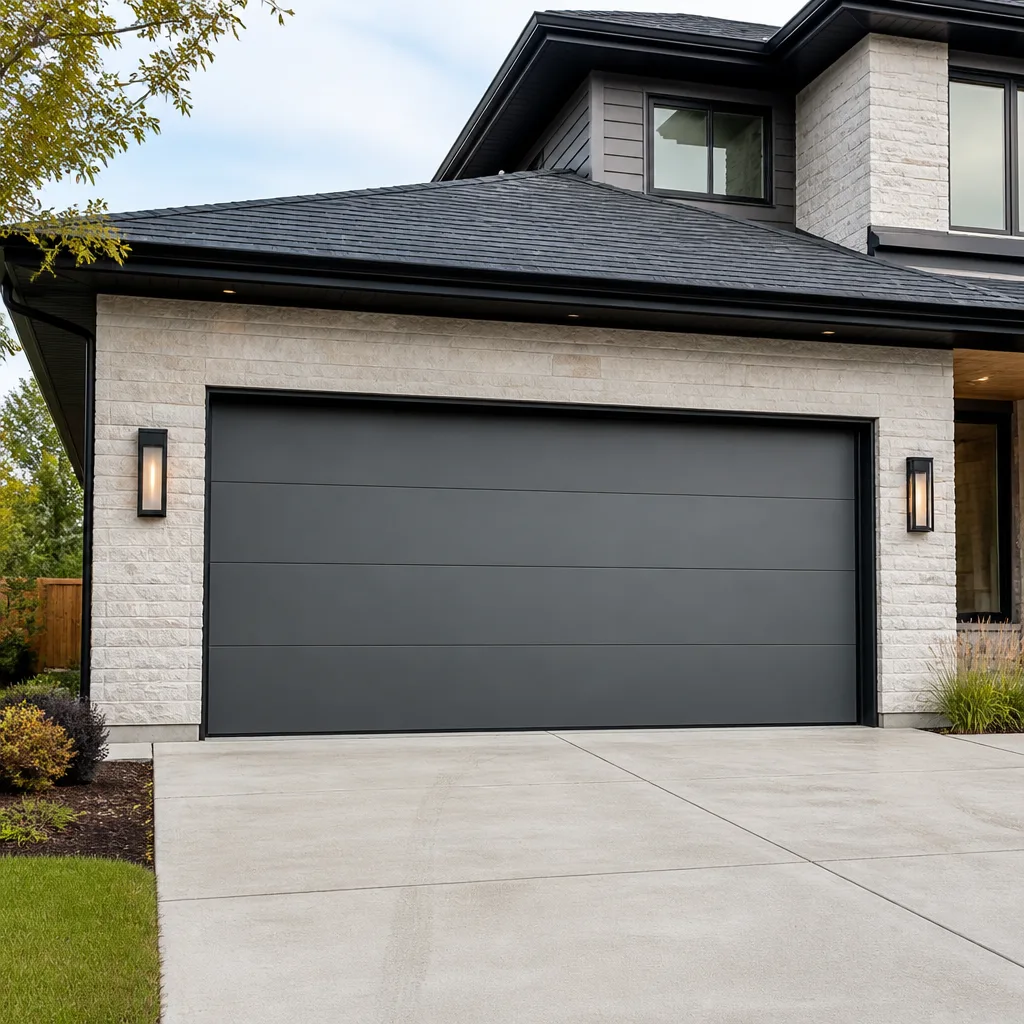 Modern flush
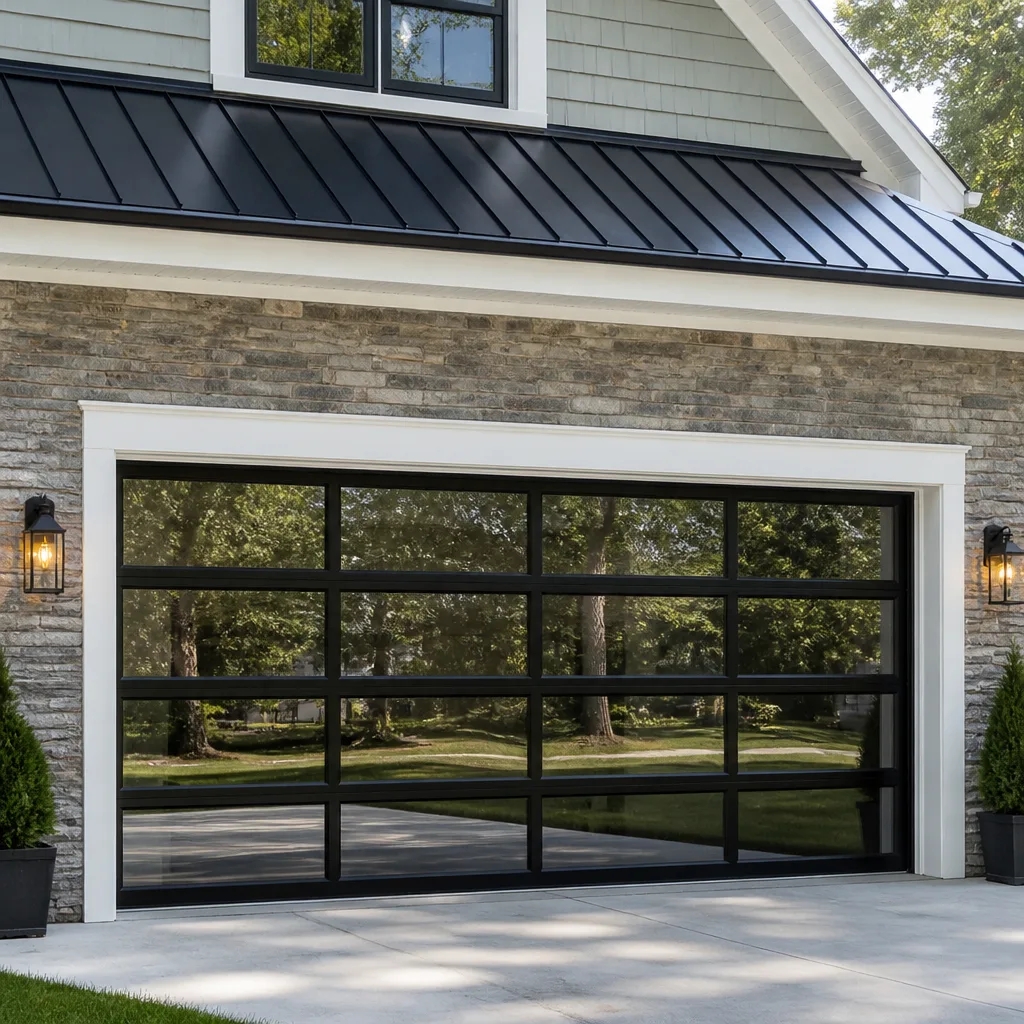 Full-view glass
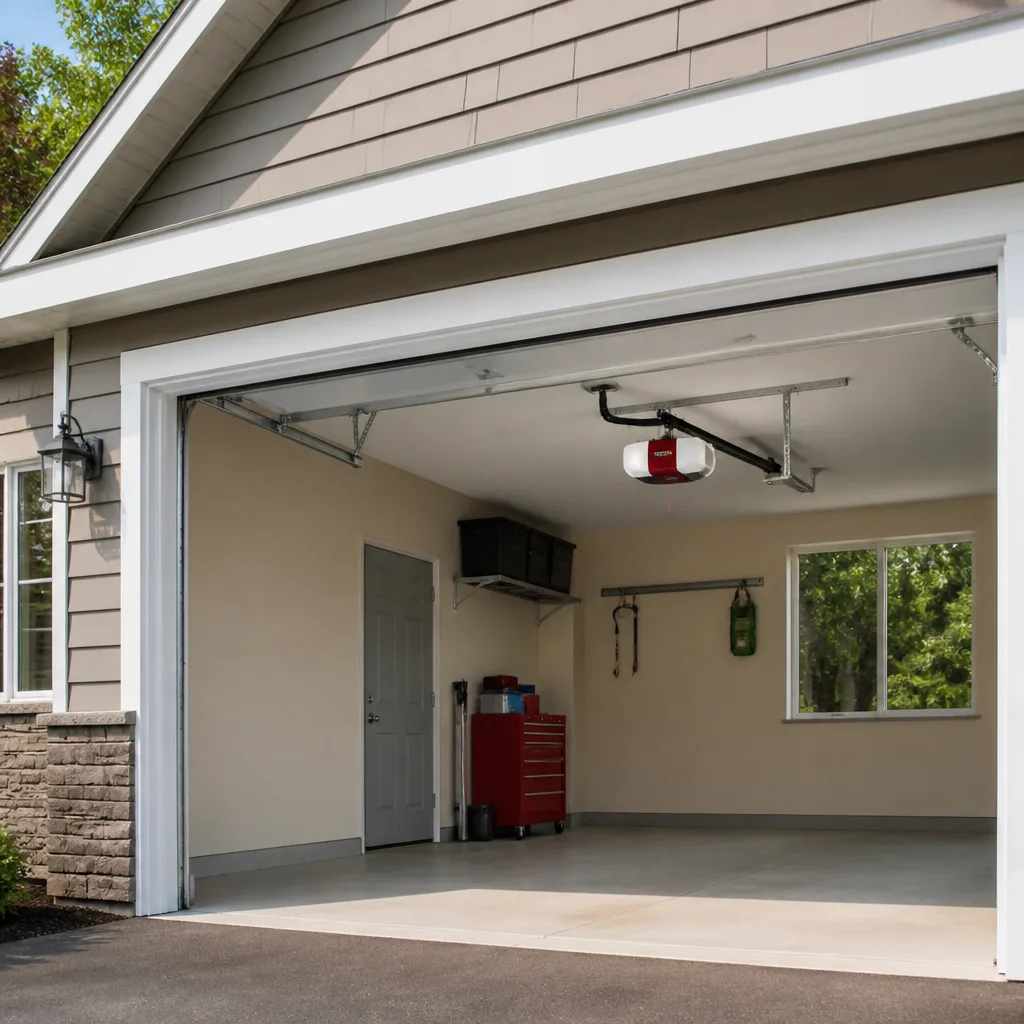 LiftMaster openers
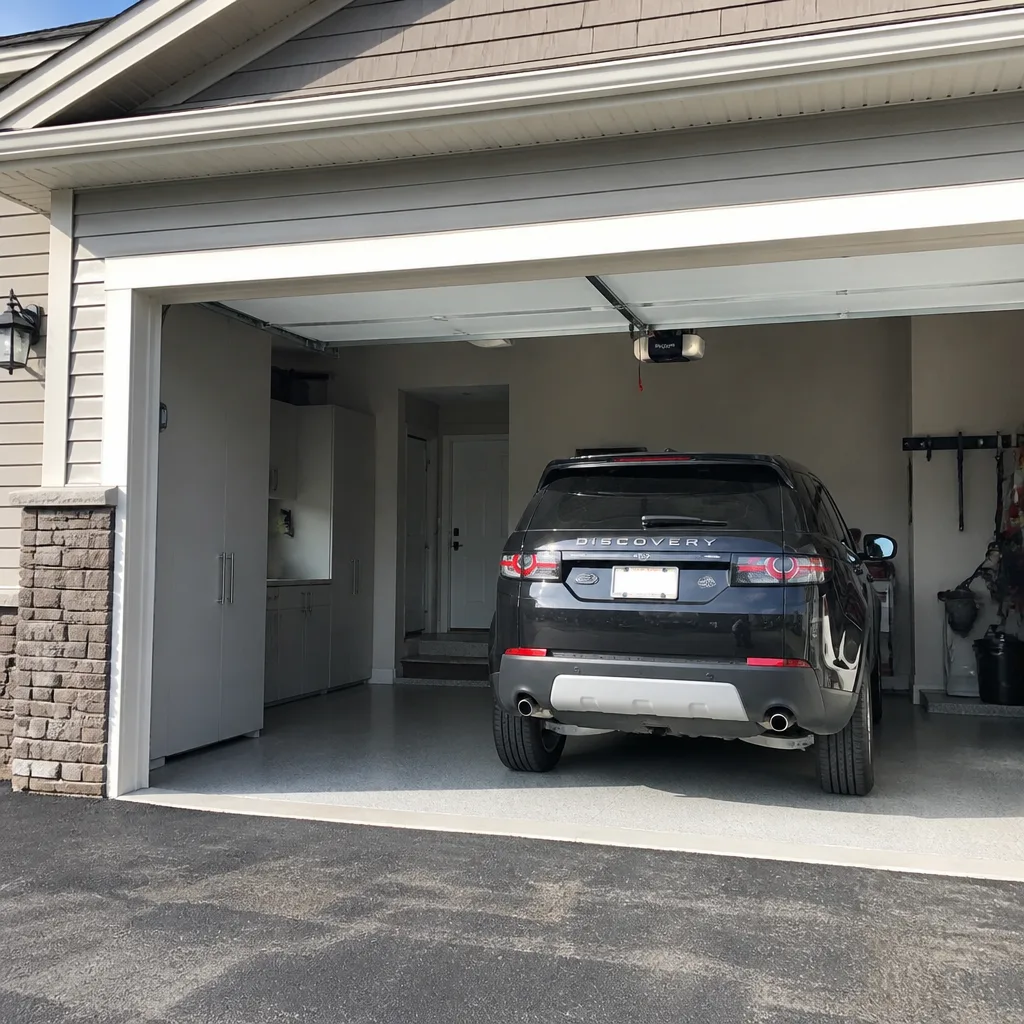 Chamberlain openers
Full 25-point door and opener safety check with every visit - springs, cables, rollers, tracks, and your LiftMaster or Chamberlain opener included
You get a price before we start. It does not change when the pro arrives.
Get your free estimateGarage Door Repair Maintenance Checklist for South Fulton Homeowners
Here’s the part most checklists get wrong: they tell you to oil the springs “twice a year” and call it done, then a torsion spring snaps in year seven instead of the ten you were promised. Humidity, red-clay dust, and heavy daily cycles wear a garage door on a schedule that has nothing to do with the calendar on your wall. In South Fulton, that gap between manufacturer ratings and real-world wear is wide enough to matter. So we built this checklist around failure likelihood in this climate, not what’s easy to photograph. You’ll learn what to check, in what order, and what to leave alone. We’re Sentry Garage Door Repair, and your garage door is your home’s largest entry point. We treat it that way.
Quick Answer
A garage door maintenance checklist for South Fulton should prioritize humidity-adjusted lubrication, bottom-seal inspection for red-clay compression damage, an opener force-sensitivity test, and a careful look at cable condition at the drum, in that order of urgency. Most homeowners focus on how the door looks and ignore the components that actually fail first in metro Atlanta’s summer humidity. Doing these four checks seasonally, and knowing which tasks to leave to a technician, catches the majority of problems before they become emergencies.
Styles & brands we work with
- Raised-panel steel
- Carriage house
- Modern flush
- Full-view glass
- LiftMaster openers
- Chamberlain openers
Table of Contents
- Why a South Fulton Checklist Looks Different
- The Humidity-Adjusted Lubrication Schedule
- Inspecting the Bottom Weatherseal for Red-Clay Damage
- The Opener Force-Sensitivity Test
- Checking Cables at the Drum: What to Look At and What Not to Touch
- Springs, Hinges, and Rollers: The Wear Sequence to Watch
- What Voids a Warranty and What Doesn’t
- Your Seasonal Maintenance Calendar for South Fulton
Why a South Fulton Checklist Looks Different
Manufacturers rate a torsion spring in cycles: open, close, open, close. A spring rated for 10,000 cycles is engineered to survive that many movements in a controlled environment. Your garage in South Fulton is not a controlled environment. Metro Atlanta’s summers push relative humidity high enough that condensation forms on cold metal overnight, then evaporates through the morning. That wet-dry cycle repeats for months, and it works grease out of bearings and pulls moisture into every gap.
The second factor is red clay. South Fulton sits on the same dense, iron-rich soil that runs across much of the region, and in dry weather it becomes a fine dust that finds its way into tracks, rollers, and hinge joints. Combine that grit with humidity and you get a paste that grinds against moving parts instead of protecting them. A spring that would last a decade in a dry climate can functionally wear out years sooner here.
The third factor is cycles. South Fulton includes commuter-heavy neighborhoods where the garage door opens in the morning, closes on the way out, then opens and closes again when people get home, plus every trip in and out for errands. A door that cycles six to eight times a day racks up thousands of cycles a year. The spring does not care what month it is; it counts movements.
That’s why the order below matters. We’ve prioritized these tasks by how often we see each failure in South Fulton, not by how quickly each task can be demonstrated. Here’s the short version before the detail:
- Lubrication: humidity-adjusted, silicone-based, on a schedule tied to the seasons rather than the calendar.
- Bottom seal: inspect for compression flattening and clay intrusion, both of which let pests and water in.
- Opener force test: one check that catches most imminent safety failures before they happen.
- Cables: the highest-risk component most homeowners never look at, and one to inspect without touching.
The Humidity-Adjusted Lubrication Schedule
Standard advice says lubricate the door twice a year. In South Fulton, twice a year is not enough, and the reason is moisture displacement. When humidity climbs, condensation gets past a thin film of lubricant, then the film breaks down and the metal underneath starts to wear. A lubrication schedule that ignores this leaves bearings running dry for weeks at a time.
What actually works is a schedule keyed to our humidity cycle rather than the calendar in the abstract. Here’s the sequence we recommend:
- Late spring, before the humid season: clean and lubricate rollers, hinges, and the torsion spring with a silicone-based garage door lubricant. This layer has to survive the summer.
- Mid-summer, during peak humidity: re-check the roller bearings and hinge joints. If the lubricant looks washed out or chalky, clean and reapply rather than adding more on top.
- Early fall: lubricate again as the wet-dry cycle slows and dust from dry clay starts moving into tracks.
- Mid-winter: a lighter application, mostly to displace any condensation from cold nights.
Which products displace moisture best? Silicone-based garage door lubricant, and specifically not the household multi-purpose spray in the garage cabinet. Grease attracts clay dust and turns into an abrasive paste. WD-40 in its standard form is a solvent, not a lasting lubricant, and it flushes out the good lubricant underneath. A silicone spray displaces water, stays slick, and doesn’t trap grit. On rollers, apply to the bearing, not the wheel face, and wipe off any excess before closing the door.
Two things you should not lubricate, no matter what a forum tells you: the torsion spring’s interior coil surface if your spring manufacturer says otherwise, and the opener’s rail with anything other than the product the manufacturer spec’d. On a LiftMaster or Chamberlain opener with a belt drive, the manufacturer’s guidance matters; on a screw-drive Genie, a dry or manufacturer-specified lubricant is what keeps the mechanism from gumming up. In our experience, the single most useful habit in South Fulton is a quick monthly visual check of the rollers, not a heavy annual grease job. If your door is starting to sound different, our garage door repair team can diagnose it rather than guess.
Inspecting the Bottom Weatherseal for Red-Clay Damage
The bottom weatherseal is the rubber or vinyl strip along the bottom edge of your door. It’s arguably the most under-inspected component on the whole system, because it lives at ground level where nobody looks. In South Fulton, it faces a specific problem: red clay.
Red clay that dries, blows against the door, and compresses under the seal does two things. First, grit embedded in the rubber acts as an abrasive each time the door closes, and the seal breaks down from the inside. Second, the compressed clay creates a hard ridge that pins the rubber flat against the floor, so it stops rebounding and stops sealing. Once the seal is permanently flattened, you have a gap. Water from a heavy summer storm can work its way under the door. Insects and small rodents find the gap. And warm interior air escapes into the garage.
Here’s the inspection, which you can do with your eyes and hands, no tools or climbing:
- Open the door fully and look at the bottom edge of the seal where it hangs. Look for cracks, splits, or a flattened profile.
- Look at the concrete under where the door rests. A dense line of clay dust is a sign the seal isn’t seating and grit is passing under.
- Run a hand along the inside face of the seal. If it feels hard or chalky rather than soft and pliable, it’s aging out.
- Close the door and look for daylight at any point along the bottom edge. Daylight means a gap.
- If the seal is flattened, cracked, or daylight shows through, plan to replace it rather than trying to clean it back into shape.
The good news: a bottom seal is one of the simpler parts of the system to replace. A consistent seal keeps out clay dust, keeps out water, and makes the door close more quietly. If the seal has failed for long enough that clay and moisture got to the door bottom and the steel edge, that’s a bigger job, and worth having looked at. Our Sentry Garage Door Repair team inspects the full door bottom edge, not just the visible seal, when the extent of the damage is unclear.
The Opener Force-Sensitivity Test
If there is one check on this list that catches the most imminent safety failures before they happen, it’s the opener’s force-sensitivity test. Opener manufacturers build in a reversibility check: if the door meets resistance while closing, the opener should reverse automatically. If that setting has drifted too far, the door will push against an obstacle instead of backing off. That’s the setting this test confirms, and it’s the one most homeowners never touch.
Here’s how to test it safely, on an open floor with no people or pets under the door:
- Stand beside the door, not in its path, and hold a small object that won’t hurt the door edge, like a piece of lumber, at the middle of the floor.
- Close the door with the wall control or remote and watch the moment the door meets the object.
- The door should visibly reverse back open. If it pushes against the obstruction or stops without reversing, the force setting needs adjustment.
- Check the photo-eye safety sensors at the same time: with the door open, break the light beam with a piece of cardboard. The opener should reverse the closing door. If it doesn’t, the sensors need attention.
Why does this matter in South Fulton specifically? Because heavy daily use and fluctuating temperatures move the force setting over time. A door that’s been adjusted in summer may close with more force in winter when the springs are cold. If the settings aren’t revisited, the reversibility margin quietly shrinks. For families with kids or pets, this is the most important five minutes you’ll spend on the door all year.
Not sure how to adjust a force setting correctly? On LiftMaster, Chamberlain, Genie, and Craftsman openers, the adjustment procedure differs by model, and getting it wrong in either direction is a real safety concern. This is a place to call a specialist rather than experiment. Our garage door opener repair team can set the reversible force correctly on any of those brands and verify the safety sensors at the same time.
Checking Cables at the Drum: What to Look At and What Not to Touch
Garage door cables are the highest-risk component in the entire system, and they’re the part most homeowners never look at. The cable runs from the bottom corner of the door, up the side of the track, and winds around a drum at the top. When a cable frays, snaps, or comes off the drum, the result is a door that drops or twists, and the repair is not a DIY job. The good news: a visual inspection, no touching, catches most problems early.
Here’s what to look for, standing at a safe distance on the floor:
- Frayed or birdcaged cable. A healthy cable has a smooth, tight appearance. A worn one has kinks, loose strands, or a spot where the winding has started to come apart. If you see that, stop using the door.
- Cable off the drum. At the top corner, where the cable meets the drum, the cable should sit fully in its groove. A cable that’s slipped out of the groove means the door may be unbalanced and is a call-now situation.
- Cable tension evenness. The cables on both sides should look similarly taut. A visibly slack side means the tension has shifted, which often points to a spring problem.
- Rust or corrosion at the drum. In South Fulton humidity, drums and cable anchors can rust, and a rusted fastener can fail.
One firm warning: do not adjust, tension, unwind, or cut a cable, and do not remove a spring to inspect a cable. Both cables and torsion springs are under high tension, and a release can cause serious injury even to someone who has watched a video. If you see fraying, off-drum cable, or anything that makes you uncertain, keep the door closed and call a trained technician. A cable that fails while the door is partway up can let the door drop fast.
We treat this as a security issue as much as a mechanical one. A door that drops because of a failed cable is a door that has suddenly become a large, unprotected opening. Our engineers-style diagnostic approach at South Fulton starts with a full visual and hands-on inspection of cables, drums, and springs before we recommend anything.
Springs, Hinges, and Rollers: The Wear Sequence to Watch
Springs fail first. That sounds obvious, but let’s get specific about why, because the “10,000-cycle” label has created an assumption that’s quietly wrong in humid climates. A spring’s rated cycles assume clean, dry, well-lubricated conditions. In South Fulton, humidity accelerates the corrosion of the spring wire, and the corrosion forms tiny stress risers that shorten the spring’s effective life. A spring that would give ten years of service in a dry climate may functionally wear out sooner here, and most homeowners find out by hearing a bang.
What to watch, in order of typical failure:
- Torsion spring: look for a visible gap in the coil. That means the spring has broken. Do not use the door; the spring carries the weight, and without it the opener is doing a job it wasn’t built for.
- Hinges: check that each hinge is attached firmly to the panel and not cracked. Hinge joints take stress every cycle and are a common source of a rattling door.
- Rollers: look for flat spots, cracking, or a roller that no longer turns freely. A flat spot means the door is dragging and the opener is straining.
- Track: run a hand (carefully, without pinching) along the inner edge of the track. Dents, loose sections, or bolts that have backed out all mean the door isn’t running true.
- Panels and railing: check the top and sides of the door for gaps where wind can push in, and check the seal between panels.
Why does the sequence matter? Because if a spring has broken and you replace the rollers without noticing, the opener will keep straining, and you’ll burn through the replacement. In South Fulton, we’ve seen that pattern plenty of times. If a spring has snapped, the fix is a new spring, sized to the actual door weight and matched to the panel construction, and the panel brand matters to getting the weight right. Whether your door is a Clopay, an Amarr, or a Wayne Dalton, the panel and the spring need to be considered together. Our technicians work across those brands, and they recommend what the door actually needs.
What Voids a Warranty and What Doesn’t
Manufacturer warranties on garage doors and openers are specific, and the details vary by brand and model. So treat this as a framework rather than a list of exclusions. But some general patterns matter, and knowing them prevents expensive surprises.
Tasks most warranty terms do expect you to attempt yourself:
- Lubricating rollers, hinges, and springs per the manufacturer’s instructions.
- Inspecting and replacing the bottom weatherseal.
- Checking the safety sensors and the opener’s force setting with the manufacturer’s procedure.
- Keeping the tracks clear of debris.
Tasks where the “professional only” warning is genuinely warranted:
- Adjusting, replacing, or removing a torsion spring.
- Cutting, tensioning, or re-spooling cables.
- Adjusting the opener’s travel limits or force settings beyond the manufacturer’s simple test.
- Moving or re-mounting the opener’s rail or header bracket.
So which “professional only” warnings are overcautious, and which are not? A warning that you shouldn’t replace the bottom weatherseal is overcautious. A warning about the torsion spring is not. If a warranty term requires “qualified installation” for an opener or door replacement, that’s also not overcautious: it’s the manufacturer guarding against the wrong rail angle or an unbalanced door. If you’re replacing an opener on a Genie, Chamberlain, or LiftMaster, check the warranty before you start, and have a specialist do the install if the terms require it. You’ll find that honest, accurate information beats blanket warnings.
We’re a brand-agnostic specialist, which means we work on the brand you already have, not the one a dealer agreement is pushing. That matters when a warranty question comes up, because the honest answer is often “this part is fine to handle yourself; this one is not.”
Your Seasonal Maintenance Calendar for South Fulton
Here’s the checklist pulled into a year-round schedule for this climate. It’s built around the ways South Fulton’s humidity, clay dust, and daily cycles actually work, not a generic twice-a-year list.
Late spring (before the humid season)
- Lubricate rollers, hinges, and springs with silicone-based garage door lubricant.
- Inspect the bottom weatherseal for the flattened profile that red-clay dust causes.
- Run the opener force-sensitivity test and check the photo-eye sensors.
- Look at the cables at the drum, no touching.
Mid-summer (peak humidity)
- Re-check roller bearings and hinges; clean and reapply lubricant if it looks washed out.
- Test the opener’s reversibility again, since warm temperatures shift the door’s balance slightly.
- Look for daylight at the door’s bottom edge; a seal that has started to fail will show it.
Early fall
- Lubricate again as the wet-dry cycle slows and dry clay starts moving into the tracks.
- Check hinges and rollers for flat spots and cracking.
- Look at the springs for a visible gap in the coil after a summer of heavy cycles.
Mid-winter
- Lightly lubricate for condensation displacement.
- Re-run the opener force test; a cold door can close differently than a warm one.
- Check that no clay has built up on the concrete under the door and compressed the seal.
Any month
- Listen to the door. A new rattle, a squeak, or a change in sound is an early signal.
- Test the safety sensors once a month.
- Never use the door if a spring has broken or a cable looks off the drum.
Common Mistakes to Avoid
- Greasing the tracks. Tracks should be clean and dry; lubricant on the track attracts clay dust and makes rollers slide instead of roll. Keep the lubricant on the rollers and hinges, never the track surface.
- Using WD-40 as a lubricant. It’s a solvent, and it strips the real lubricant off your bearings. In South Fulton’s humidity, that leaves metal exposed at exactly the wrong time.
- Skipping the ground-level seal. The bottom seal is where red-clay dust and moisture do their damage first, and it’s the easiest component to check. Ignoring it lets pests and water in while you’re busy polishing the panels.
- Adjusting the force setting by feel. The reversibility test is a safety feature, and a force setting that’s too high defeats it. Any adjustment should follow the manufacturer’s procedure or be handled by a specialist.
- Trying to fix a cable or spring yourself. Cables and torsion springs are under high tension, and a release can cause serious injury. Keep the door closed and call a trained professional.
- Assuming the 10,000-cycle rating applies here. It’s a dry-climate number. In South Fulton’s humidity and daily cycle counts, plan for springs to wear sooner and inspect them every season instead of every year.
- Replacing a component without finding the cause. New rollers on a door with a broken spring will just wear out faster. Diagnose the whole system before changing parts.
See the difference
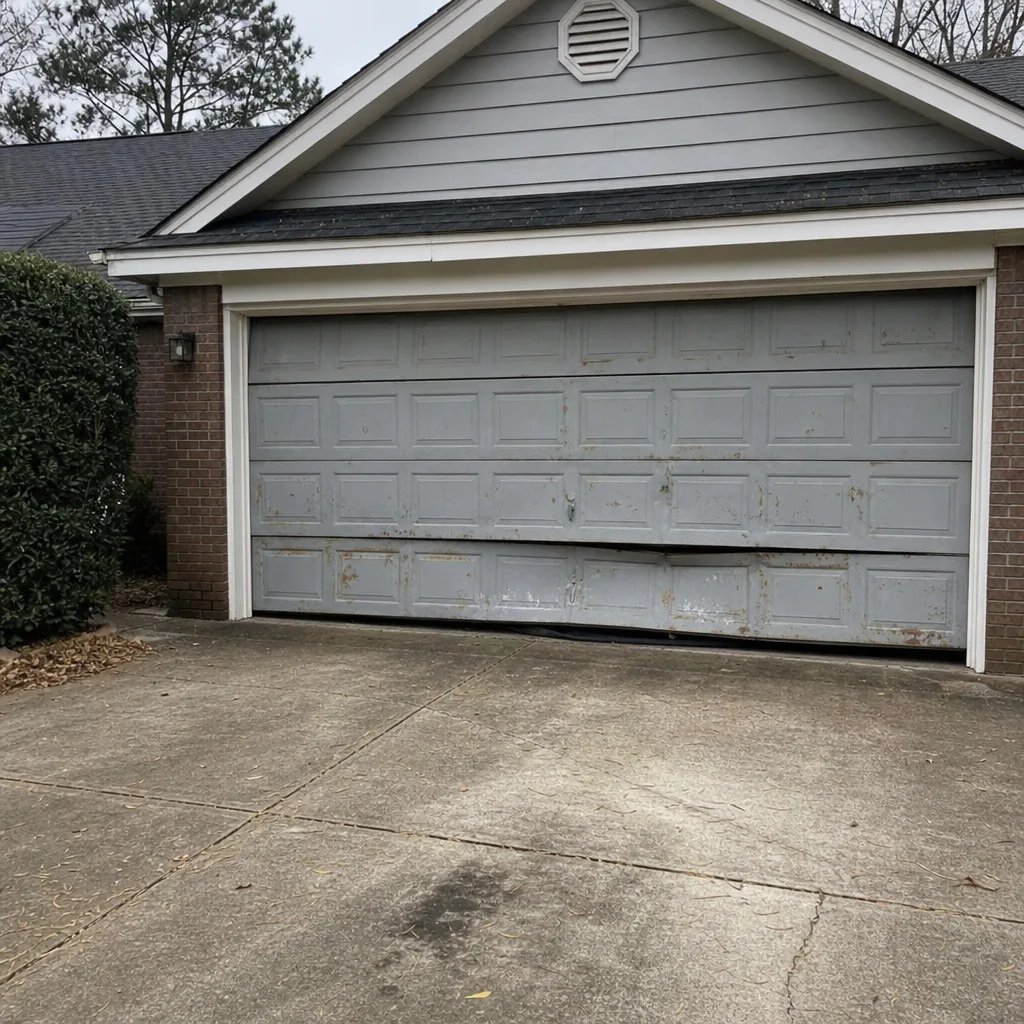 Before
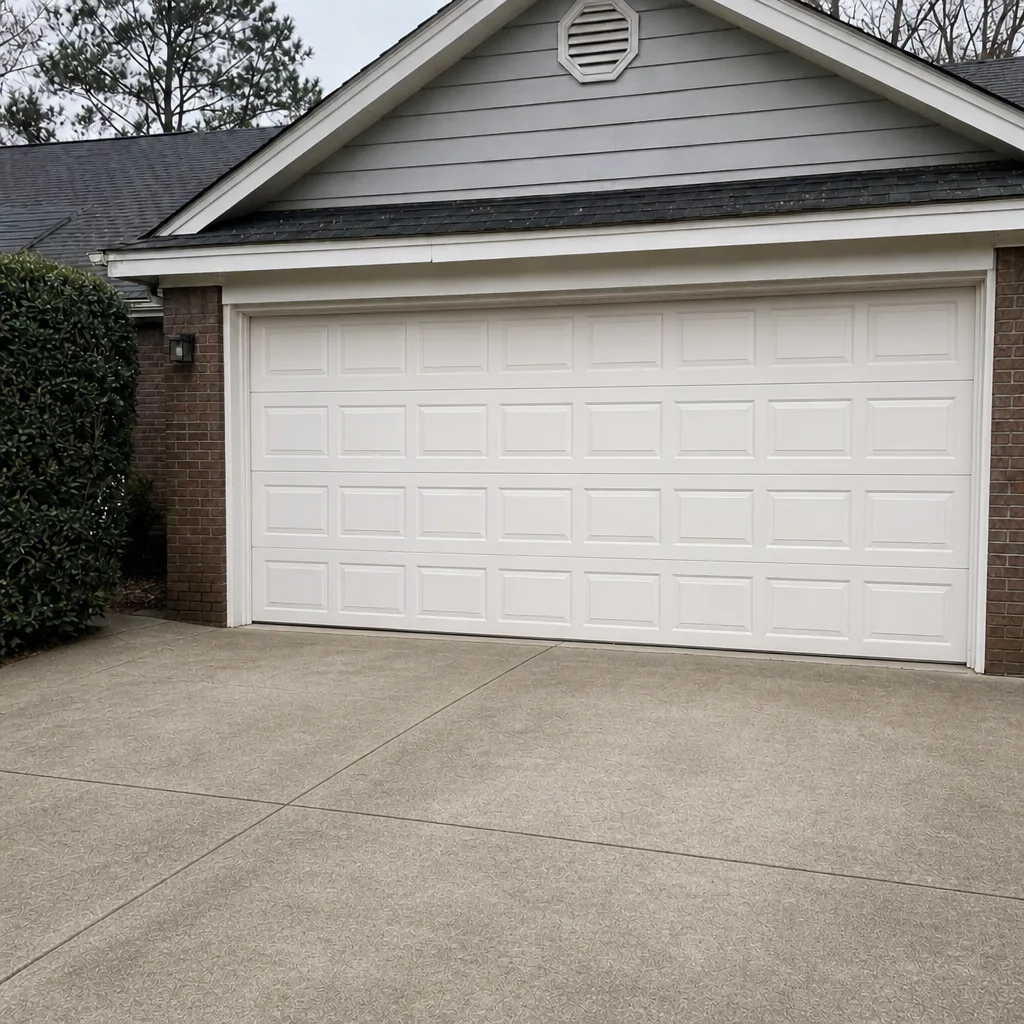 After
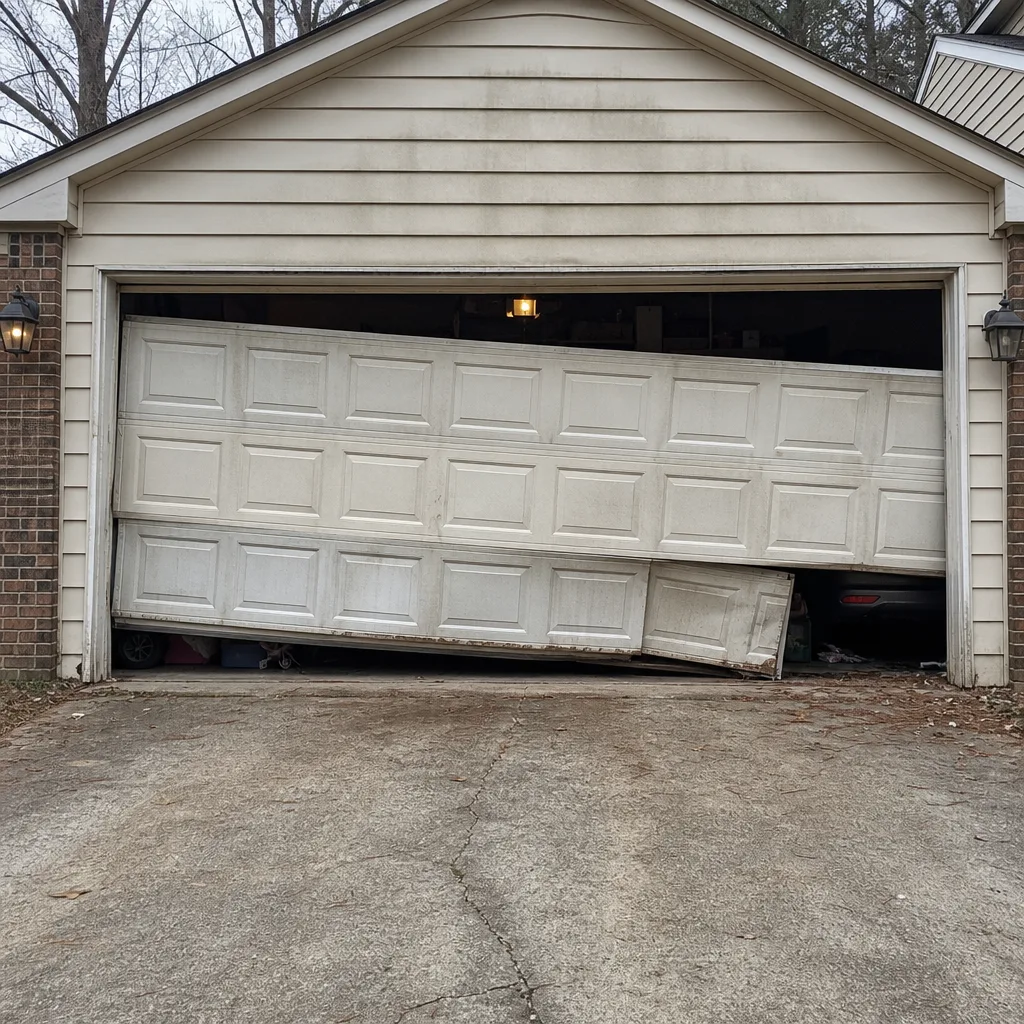 Before
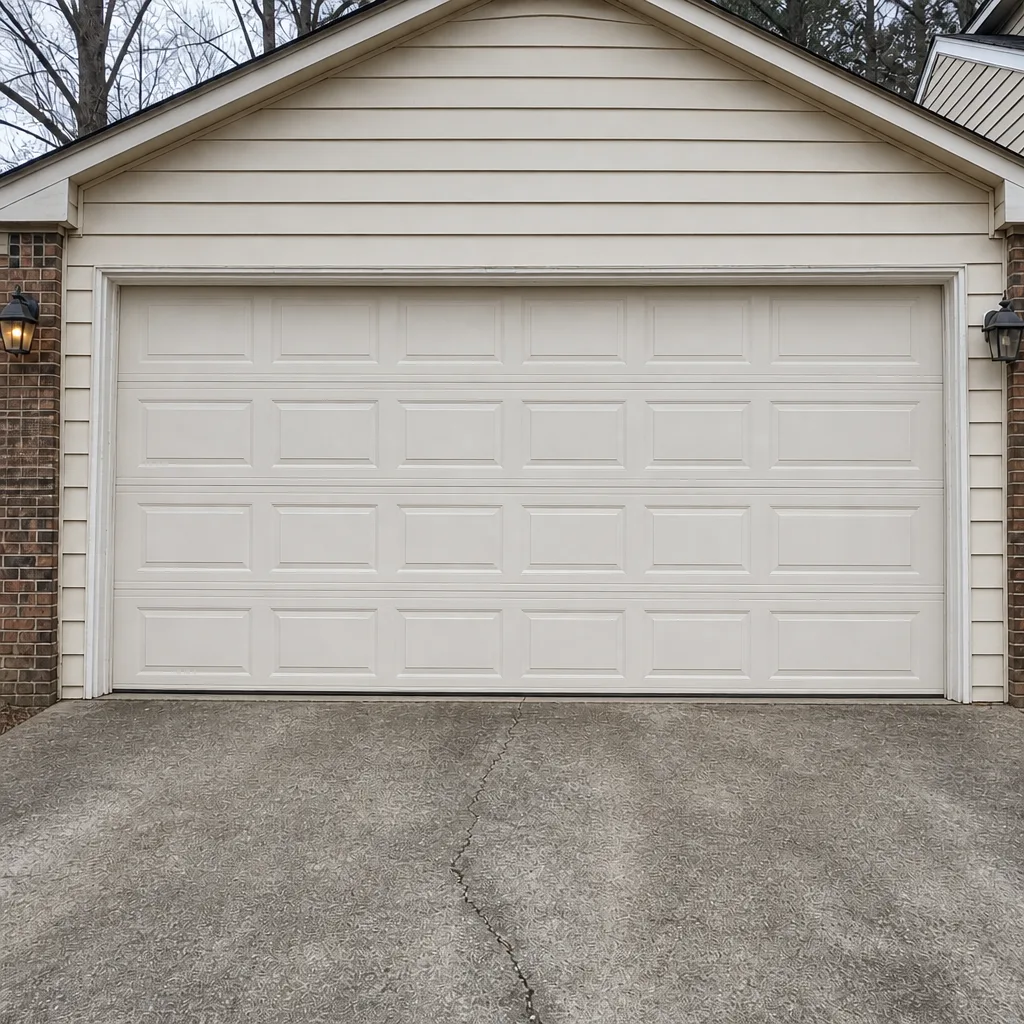 After
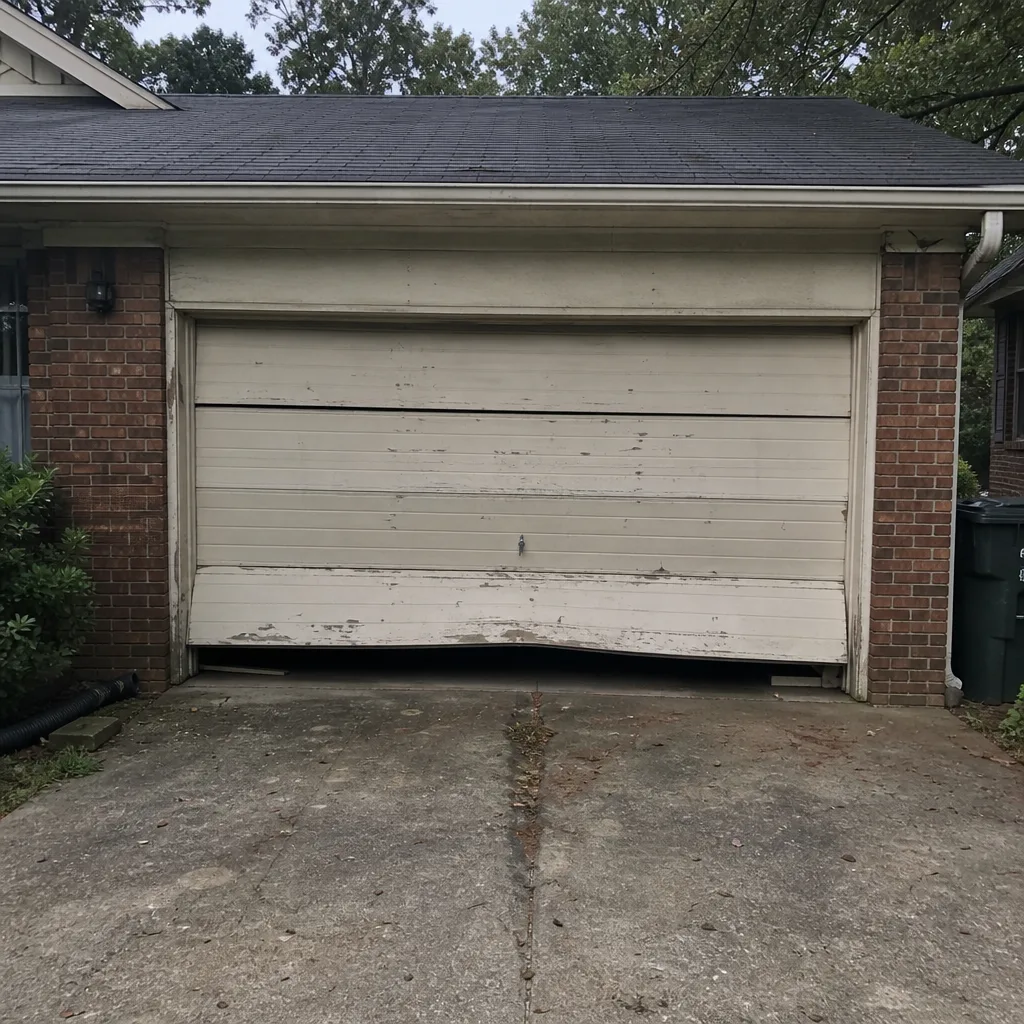 Before
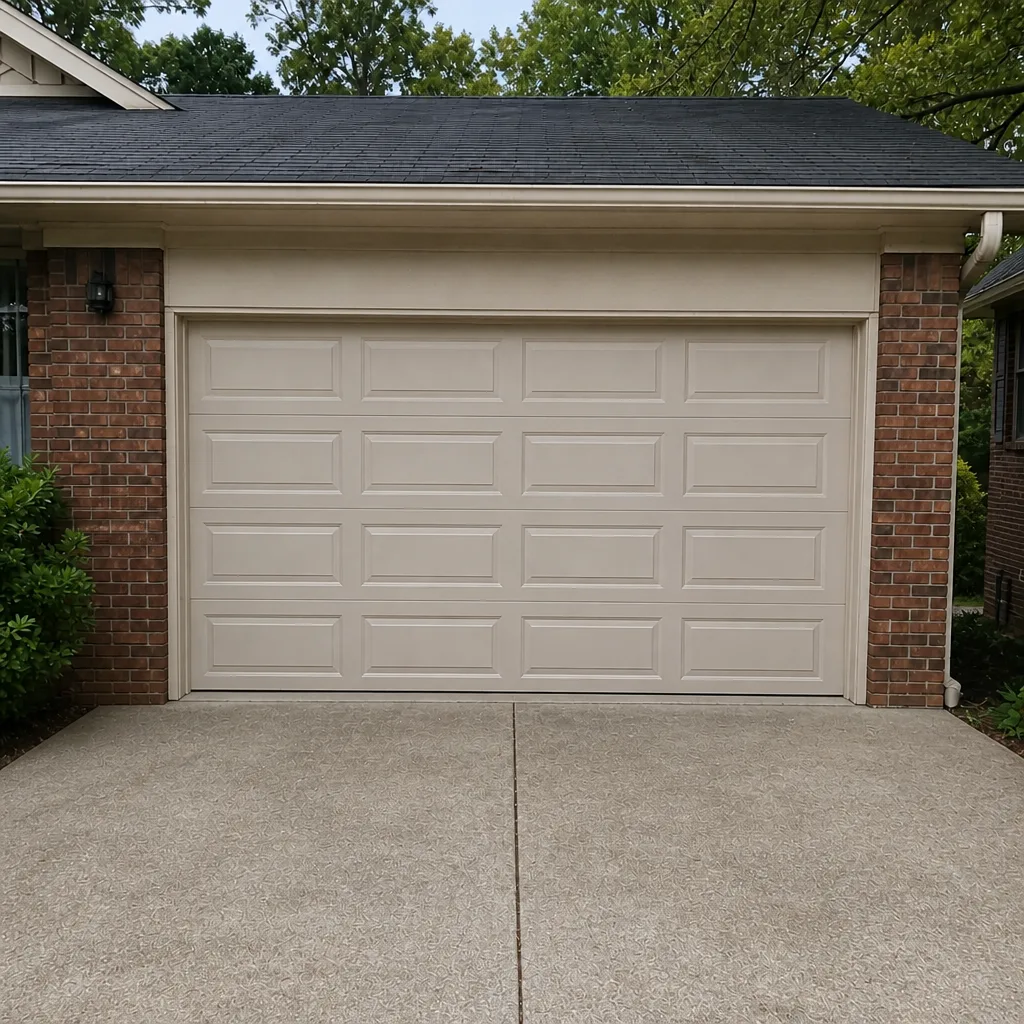 After
When to Call a Professional
Some tasks on this checklist are genuinely DIY-friendly, and some aren’t. Call a professional when a spring has broken (a visible gap in the coil), when a cable is frayed or has come off the drum, when the opener force test doesn’t reverse, when the door is unbalanced (it won’t stay halfway up), or when anything about the door’s movement makes you uncertain. Those are safety situations, and a trained technician should handle them. We also recommend a professional for a full-system inspection once a year, especially if your door cycles heavily or your door was installed more than a decade ago. A worn track, a tired opener, and a failing seal are easier and less expensive to address before they combine into a failure.
Sentry Garage Door Repair offers free estimates in South Fulton. Call (833) 612-7942. We answer 24/7. Fast dispatch from 7am to 7pm, Sunday through Friday.
Frequently Asked Questions
Aim for four times a year here, not the twice-a-year advice that works in drier climates: late spring, mid-summer, early fall, and mid-winter. South Fulton’s humidity works lubricant out of roller bearings faster than the standard advice assumes, and red-clay dust turns grease into an abrasive paste. Use silicone-based garage door lubricant on rollers and hinges, never the tracks. If the door starts to sound different between checks, a diagnostic visit stops small wear from becoming a bigger job. Call (833) 612-7942 for a free estimate.
Look at the coil for a visible gap, which means it’s already broken, and listen for a change in the door’s balance: a door that won’t stay halfway up is a door with a weakened spring. A technician can measure the spring’s remaining tension, which is the more reliable check than a visual one. Because the spring carries the door’s weight, it should be handled by a professional. Our technicians have up to 9 years of experience with springs across Clopay, Amarr, Wayne Dalton, and other brands. Call (833) 612-7942 for a free estimate.
Yes, replacing the bottom weatherseal is one of the DIY-friendly tasks on this list, as long as you match the seal to your door’s width and track profile. The bigger question is whether clay or moisture already reached the door’s bottom steel edge, which is harder to assess without a close look. If you see rust or the door bottom feels soft, have a technician inspect it. Call (833) 612-7942 for a free estimate.
It confirms that your opener reverses when the door meets an obstruction while closing. If the setting has drifted, the door can push against an obstacle instead of backing off. Test with the door closed on a small object on the floor, standing beside not under the door, and confirm the photo-eye sensors stop a closing door too. If the door doesn’t reverse, the setting needs adjustment. Call (833) 612-7942 for a free estimate on an adjustment or opener diagnostic.
No, a broken cable rarely means a new door. It means the cable, and often the drum and spring, need attention, and the door needs re-balancing. What matters is stopping use immediately when a cable is frayed or off the drum, because a door can drop. Have a technician inspect the full system: cables, drums, springs, and the opener. Call (833) 612-7942 for a free estimate.
Yes, if your door cycles six or more times a day or is more than ten years old. The humidity-adjusted lubrication and the spring wear in this climate are easy to underestimate, and a once-a-year full-system inspection catches the parts a homeowner can’t safely check. We also recommend it before a major brand opener change, since the door’s balance and the new opener’s settings need to work together. Call (833) 612-7942 for a free estimate.
The Bottom Line
Maintenance in South Fulton isn’t about doing more; it’s about doing it in the right order. Humidity-adjusted lubrication, a careful look at the bottom weatherseal for red-clay damage, an opener force-sensitivity test every season, and a hands-off visual check of the cables at the drum will catch most problems before they become emergencies. Leave the springs and cables to a specialist, and don’t let a broken component hide behind a fresh one. Our technicians work on the doors and openers you already have, across LiftMaster, Chamberlain, Genie, Clopay, Amarr, Wayne Dalton, Craftsman, and Raynor, and we diagnose the whole system before recommending anything. One call covers the door and the opener. If anything on your checklist turns up a problem, or you’d rather have a trained eye look first, call (833) 612-7942 for a free estimate. We answer 24/7. Fast dispatch from 7am to 7pm, Sunday through Friday.
Written by the team at Sentry Garage Door Repair.