
Last updated November 16, 2026
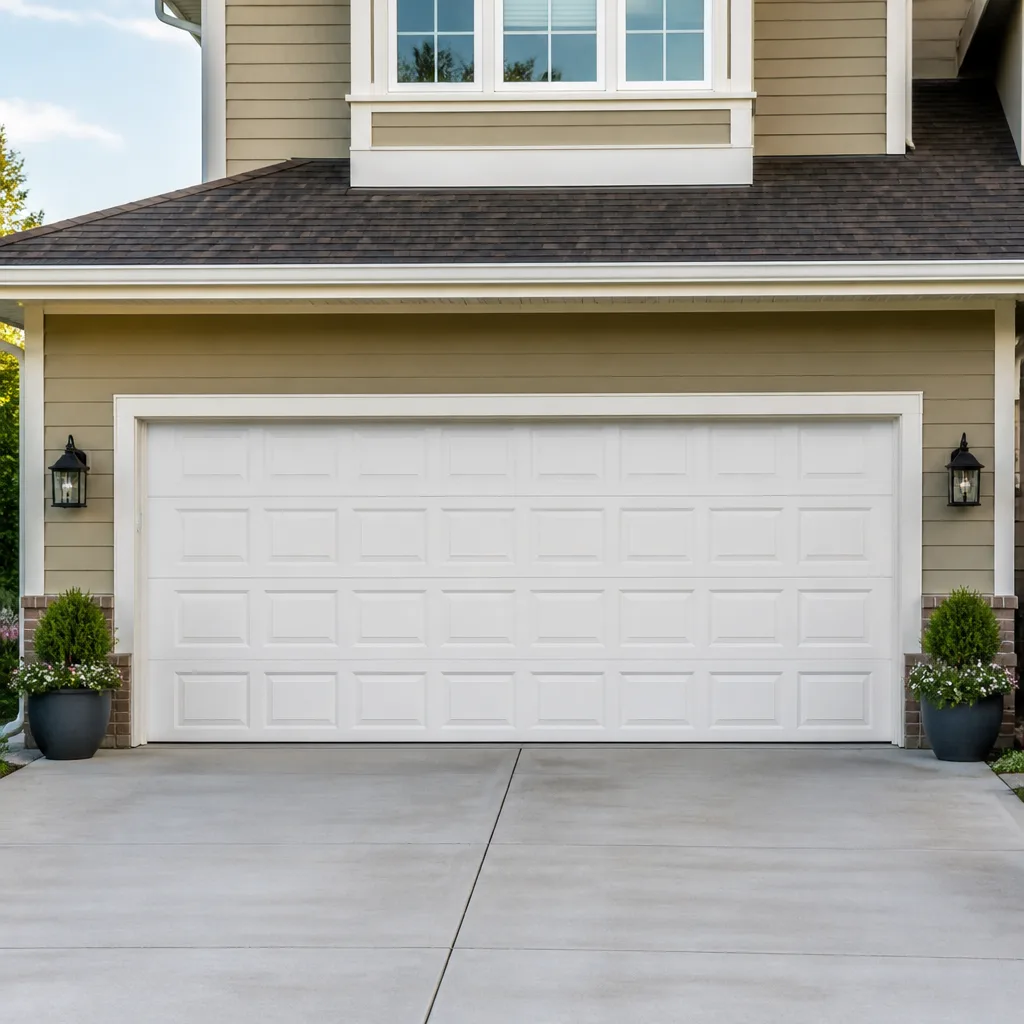 Raised-panel steel
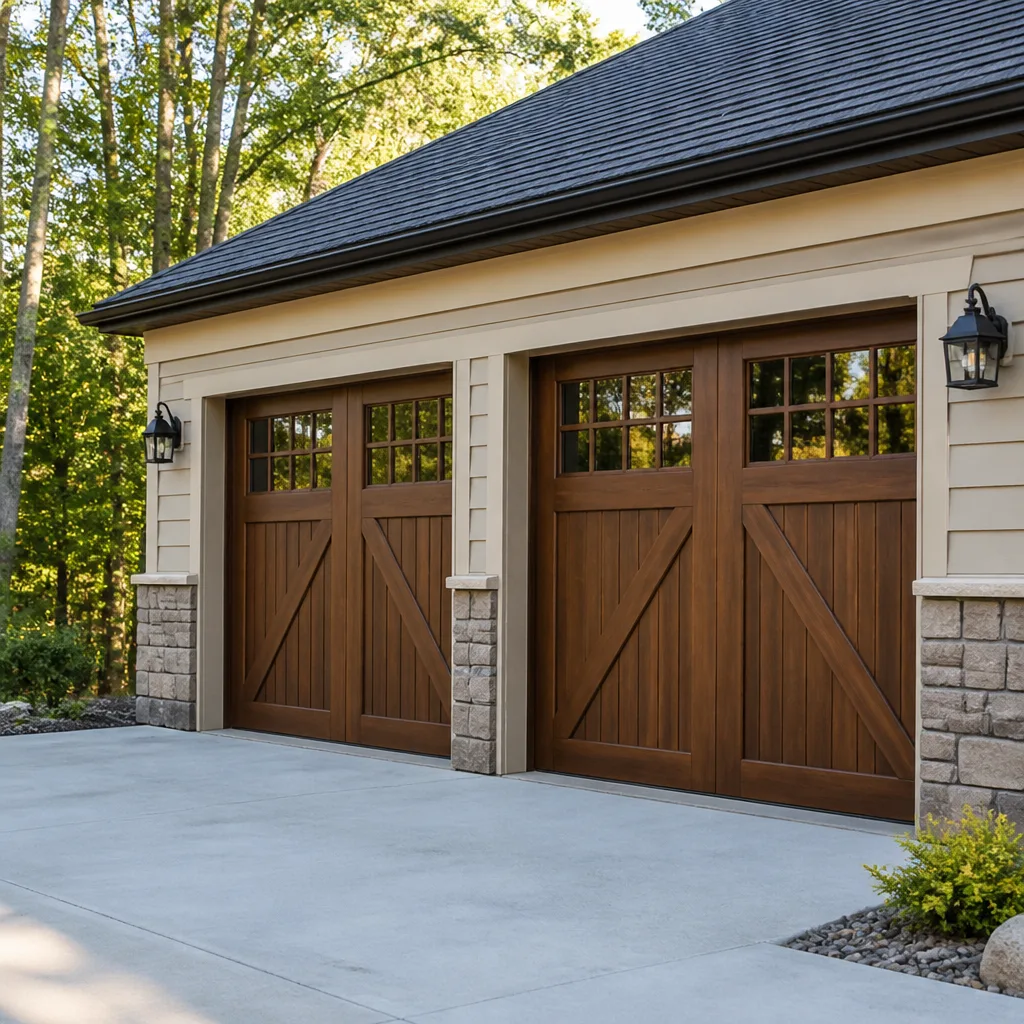 Carriage house
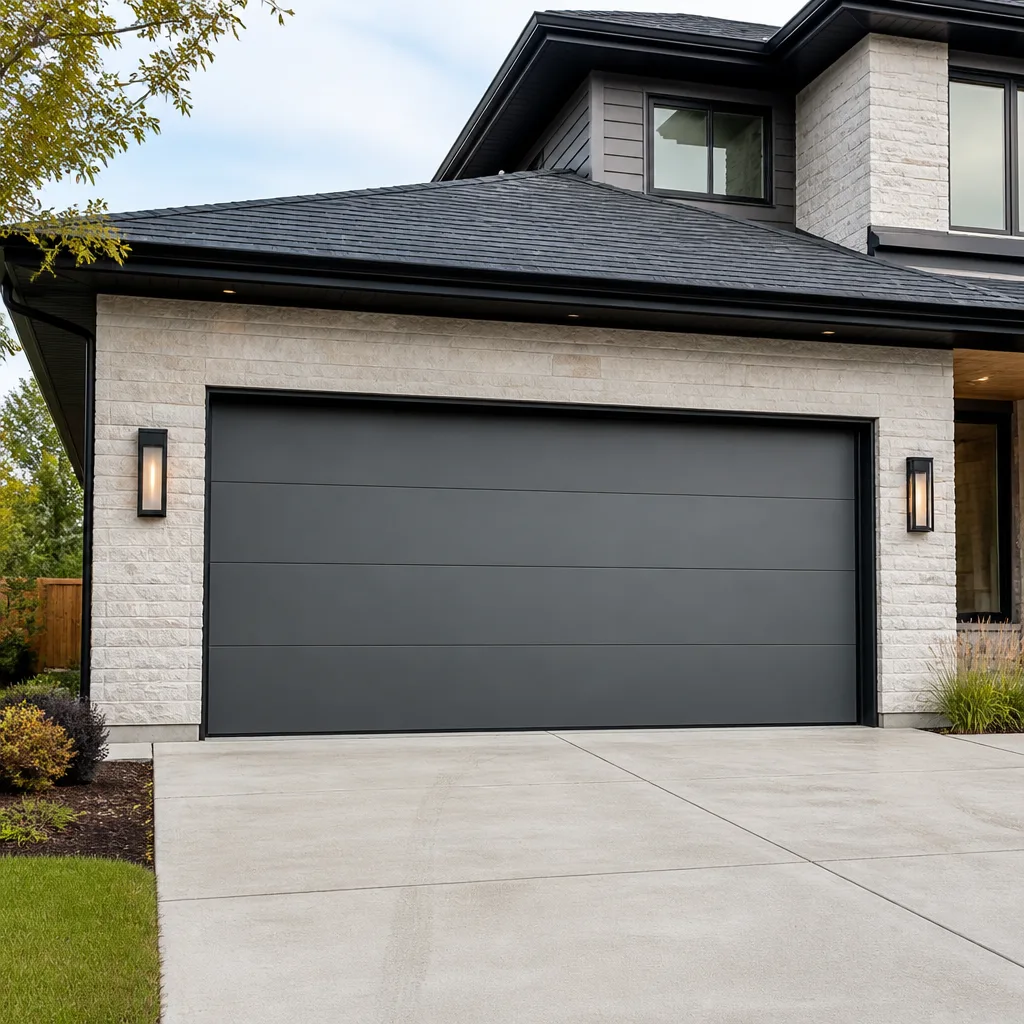 Modern flush
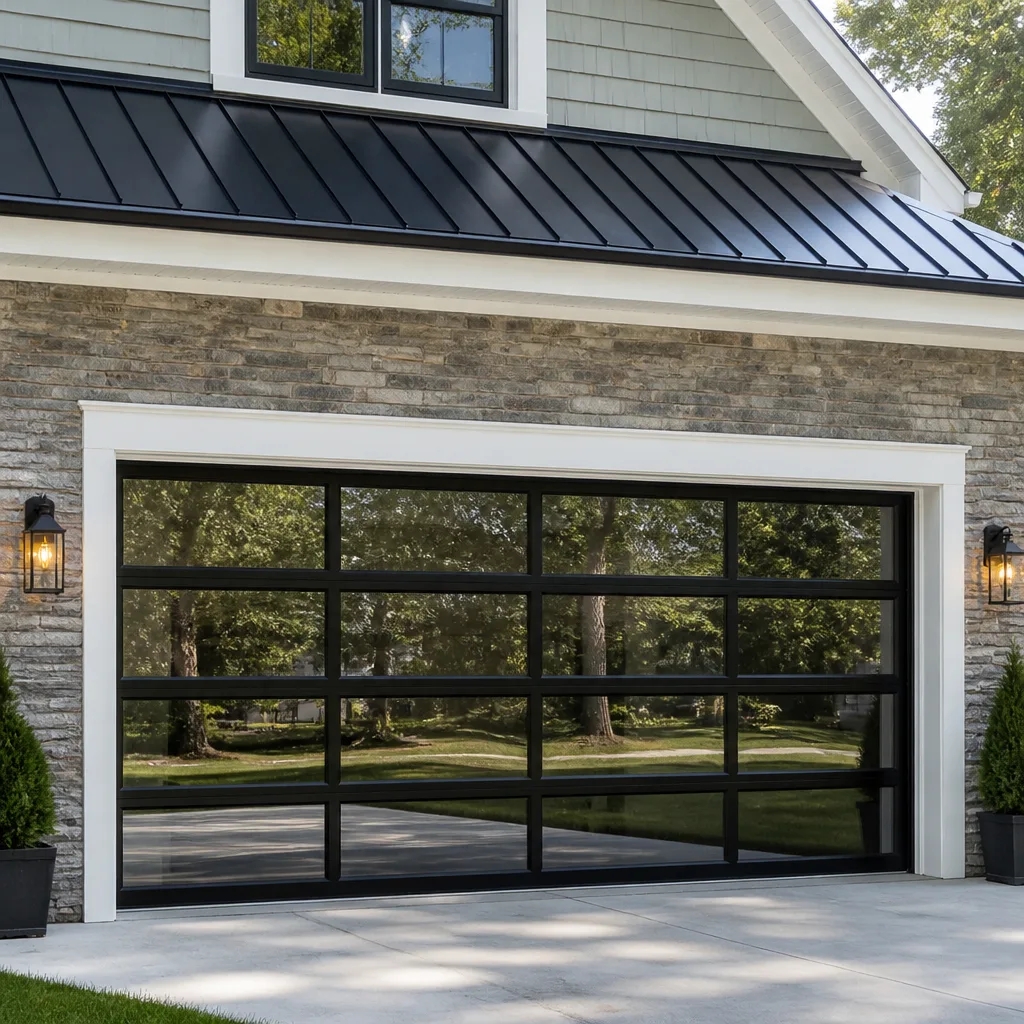 Full-view glass
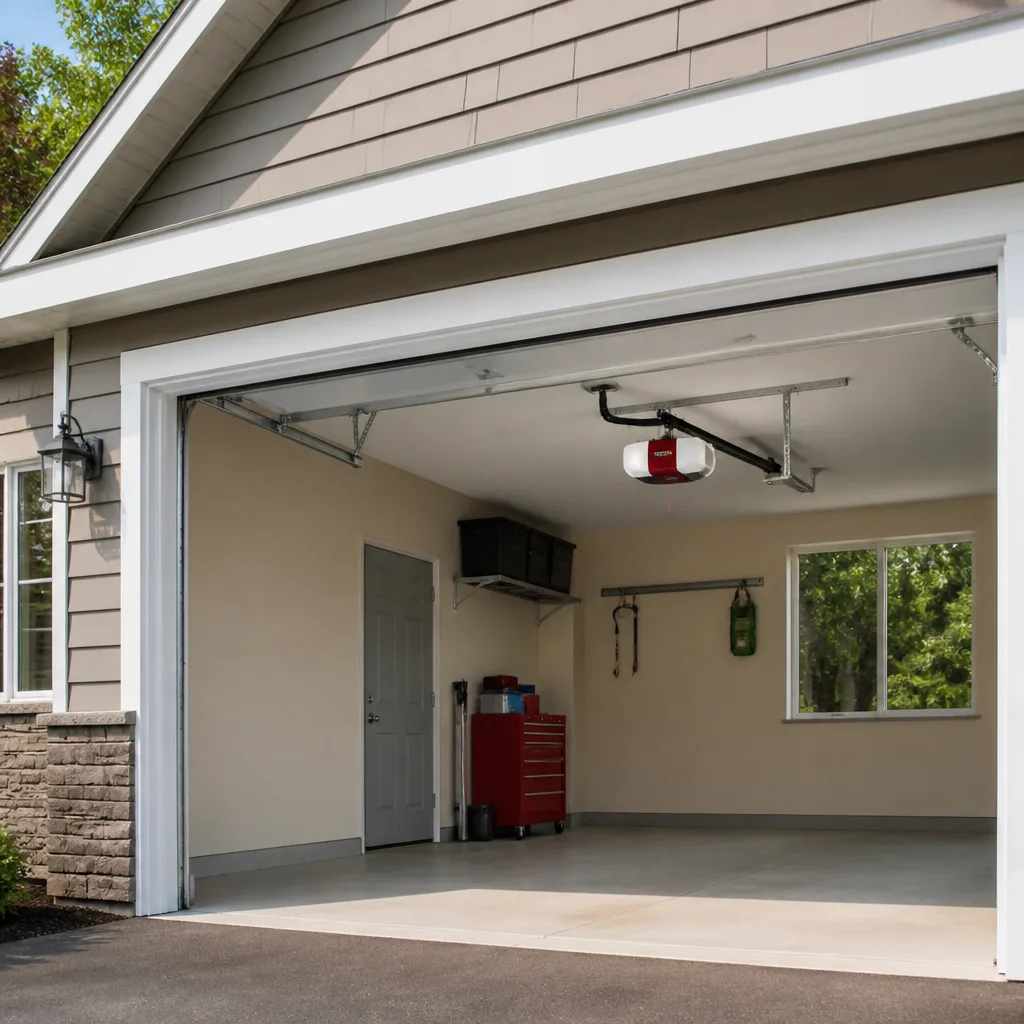 LiftMaster openers
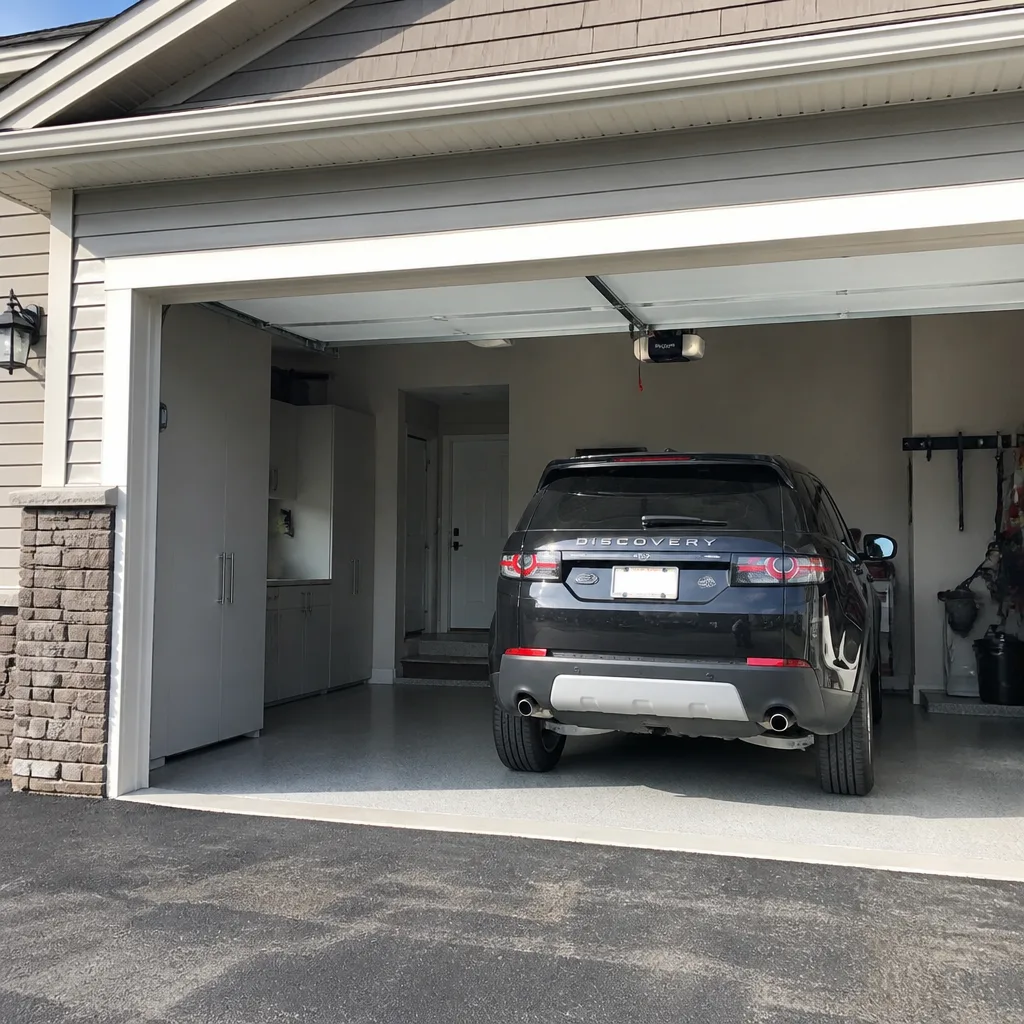 Chamberlain openers
Full 25-point door and opener safety check with every visit - springs, cables, rollers, tracks, and your LiftMaster or Chamberlain opener included
You get a price before we start. It does not change when the pro arrives.
Get your free estimateGarage Door Permits, Codes & Inspections in South Fulton, GA: What You Need to Know
Most homeowners assume a garage door is a private improvement and that nobody needs to be told about it. Then a closing gets pushed, or an insurance adjuster asks for documentation nobody has. In South Fulton, the question of whether your garage door work needed a permit has a narrower answer than most people expect, and the wrong answer tends to surface at the worst possible moment: when the home is changing hands or a claim is being filed. The contractor is gone by then. The paperwork problem is yours. This guide breaks down the actual threshold between permit-exempt work and permit-required work in South Fulton, how to check which jurisdiction reviews your address, what an inspection covers, and how to verify prior work before you buy.
Quick Answer
In South Fulton, a like-for-like garage door replacement in an existing opening usually does not require a building permit, but any work that creates a new opening, alters the structural header above the door, or adds or extends an electrical circuit for an opener typically does. Because South Fulton became its own city in 2017, permit jurisdiction still differs between city parcels and remaining unincorporated Fulton County addresses, so the only reliable step is to confirm the jurisdiction and the scope with the reviewing authority before work starts. When in doubt, ask the city’s building department directly.
Styles & brands we work with
- Raised-panel steel
- Carriage house
- Modern flush
- Full-view glass
- LiftMaster openers
- Chamberlain openers
Table of Contents
- The South Fulton Permit Threshold: Exempt vs. Required
- How to Verify Permit Jurisdiction for a South Fulton Address
- What a Rough-In Inspection Covers for a New Opener Circuit
- HOA Architectural Review vs. City Permit: Two Timelines, Not One
- How to Pull Permit History on a South Fulton Home
- Codes, Inspections, and the Safety Systems Inspectors Look For
- Who Does What: Contractor, Inspector, and Homeowner
- Common Mistakes to Avoid
The South Fulton Permit Threshold: Exempt vs. Required
The confusion in South Fulton usually starts with two different people giving two different answers, both confidently. One says garage doors never need a permit. The other says every replacement does. Neither is right, because the deciding factor is not the door. It’s the scope of work around the door.
Here’s the practical split we use when a homeowner asks us to categorize a job before we quote it. Remember that the reviewing authority for your address makes the final call, and we always recommend you confirm the scope with them.
- Usually permit-exempt: swapping a door of the same size into an existing opening, replacing a torsion spring or cable, replacing rollers, hinges, and weather seal, or replacing an opener with a unit of the same type on the existing circuit.
- Usually permit-required: cutting a new opening into a wall, widening or raising an existing opening, modifying or replacing the structural header, converting a carport to an enclosed garage, adding a new dedicated electrical circuit or outlet for an opener, or any changes to the service panel to support that circuit.
The structural and electrical items are what trigger review, because they touch framing and the home’s electrical system. A torsion spring has no permit relevance. A load-bearing header does. If your project sits anywhere near that line, the safe answer is to ask the city’s building department rather than the lowest bidder. A written scope from your contractor makes that conversation fast.
One more South Fulton-specific wrinkle: a lot of the housing stock here ranges from 1990s subdivisions to newer construction, and newer homes sometimes already have dedicated opener circuits while older ones don’t. That single detail decides whether your opener installation is a simple swap or a permitted electrical addition. It’s worth checking before you sign anything.
How to Verify Permit Jurisdiction for a South Fulton Address
This is the step almost everyone skips, and it’s the one that costs the most time. South Fulton became a city in 2017, and while the city now reviews building permits for most addresses that carry a South Fulton name, there are parcels in the broader South Fulton area that are still reviewed through Fulton County. Two neighbors on the same road can, in some cases, deal with different offices.
Here’s how to confirm where your property is reviewed, in order:
- Start with the property record. Look up your address in the county’s public property records and note which municipality is listed for the parcel. That’s your strongest indicator.
- Call the city of South Fulton’s building department. Give them the exact address and the scope of work. Ask two questions: is a permit required for this scope, and is this parcel reviewed by the city or by the county?
- If you’re outside city review, contact Fulton County’s permitting office. Confirm the same two things. Processes, forms, and inspection scheduling differ between the two.
- Get the answer in writing. An email confirmation of scope and jurisdiction protects you later, and it’s easy to attach to a closing file.
- Give the confirmation to your contractor. A written scope plus a jurisdiction confirmation is the cleanest possible start to a job, and it stops the “nobody told us” problem before it happens.
If you’re buying or selling in South Fulton, this verification belongs in your due diligence window, not the week before closing. We’ve seen timelines stretch simply because the answer about jurisdiction arrived late.
What a Rough-In Inspection Covers for a New Opener Circuit
If your opener installation requires a new circuit, the electrical work is inspected in stages. A rough-in inspection happens before the wall is closed up, and it is not about the opener at all. It’s about the wiring behind it.
An inspector at rough-in typically checks:
- The circuit is dedicated and correctly sized for the opener’s load.
- Conductors are properly supported and protected where they pass through framing.
- Boxes are correctly positioned and accessible.
- Grounding and bonding are correct at every connection point.
- Any required protection (such as GFCI where applicable to the location) is installed correctly.
The final inspection happens after the circuit is complete and the opener is functioning. Skipping the rough-in doesn’t make the problem disappear, it just moves it. Unpermitted electrical work becomes a disclosure item on a South Fulton home sale, and it can complicate an insurance claim if the door system is involved. An adjuster looking at a fire-origin claim will ask whether the circuit was permitted and inspected. If the answer is no, the conversation gets harder than it needed to be.
None of this is a reason to avoid opener work. It’s a reason to do it in order: scope, permit, rough-in, final, done. Our garage door opener repair work covers LiftMaster, Chamberlain, Genie, and Craftsman systems, and when a job crosses into new-circuit territory we’ll flag it before the estimate is written, not after the drywall is up.
HOA Architectural Review vs. City Permit: Two Timelines, Not One
This is the mistake that delays more South Fulton garage door projects than any other. Homeowners treat the HOA architectural review and the city permit as if they’re the same step or as if one satisfies the other. They are parallel processes run by different organizations with different criteria, and neither one substitutes for the other.
They answer different questions:
- The city permit asks: is this safe and legal? It’s about structure, electrical, and code compliance.
- The HOA architectural review asks: does this fit the neighborhood? It’s about material, color, panel style, window pattern, and sometimes the brand or profile allowed in the community.
Their timelines also rarely line up. HOA review can take longer than the permit, or the reverse, depending on the community and the completeness of your submittal. Start both in parallel, and don’t let the contractor order materials until both approvals are in hand. A door sitting in a driveway while an approval is pending is a problem you can avoid by sequencing correctly.
Brand and material choices also interact with HOA rules here. A garage door repair that swaps a Raynor panel for an aftermarket one might clear code and still fail architectural review if the profile doesn’t match. We work on the brand you already have, which matters when an HOA requires a specific look and the existing door is already approved. If you’re replacing rather than repairing, bring the HOA’s design guidelines to the estimate conversation. It saves a second round of submittals.
How to Pull Permit History on a South Fulton Home
If you’re buying a home in South Fulton and the garage looks newer than the house, verify it. Permit history is public record, and pulling it is one of the highest-value ten minutes of due diligence you can spend. Here’s the sequence:
- Request the permit history for the address. Ask both the city of South Fulton and, if the parcel is under county review, Fulton County. Ask specifically for closed permits related to garage, electrical, and structural work.
- Compare the permit dates to the work you can see. A door replaced years after the last structural permit, with no new permit on file, is worth a question.
- Check for open permits. An open or expired permit on record is a red flag. It means work was started and never finalized by inspection.
- Ask the seller for documentation. The written estimate, the closing inspection record, and the dated invoice are the paper trail. If they can’t produce them, ask why.
- Get a professional look before closing. A licensed contractor can evaluate the door, springs, opener, and structural opening, and tell you whether anything looks newer than the paperwork suggests.
This is where the “exempt replacement” argument gets tested in practice. A prior owner may have replaced a door without a permit and been entirely correct that none was required. But if the opening was widened, the header changed, or a new circuit was run, and no record exists, that becomes a negotiation item during the transaction. Better to know that before closing than after. Our Sentry Garage Door Repair team can walk a South Fulton home’s door system with you and identify whether anything appears to have been altered beyond a simple replacement.
Codes, Inspections, and the Safety Systems Inspectors Look For
Garage doors are the largest moving entry point on a home, which is why the safety systems around them get attention from inspectors even on permit-exempt work. If you’re ever asked to verify a door’s condition, or if you’re buying a home and want a straight read, these are the systems to confirm are present and functioning:
- Photo-eye safety sensors at the bottom of the opening, aligned and unobstructed, that reverse the door when the beam is broken.
- Force-reversal setting tested so the door reverses on contact with an obstruction.
- Manual release on the opener trolley, functioning and reachable.
- Proper counterbalance so the door can be lifted manually with reasonable effort.
- Warning label and the standard owner’s maintenance information visible on the door.
A word on safety: torsion springs and the cables that run with them are under extreme tension, and adjusting or replacing them is one of the most dangerous jobs in this trade. We do not recommend attempting spring or cable work yourself. A trained technician with the right winding bars and the right technique is the only reasonable way to handle it. This is the part of a garage door job where DIY risk is real, not theoretical.
If your inspection findings point at the door system rather than the structure, that’s a repair conversation. Our team handles both mechanical garage door repair and opener work as one job, so you’re not coordinating two trades to close out one inspection item. If you’re evaluating an entire home in South Fulton before purchase, that single-call coverage matters more than it sounds.
Who Does What: Contractor, Inspector, and Homeowner
Clear roles prevent almost every delay in this process. Here’s how we break it down for South Fulton homeowners.
The contractor’s job: produce a written scope describing the work in plain terms, tell you whether the scope triggers a permit in the jurisdiction we’ve confirmed, pull the permit if one is required (which typically falls to the contractor doing the work), schedule the inspection, and provide documentation at the end. A written estimate that names the scope is the foundation of all of it.
The inspector’s job: confirm the work matches the approved scope and the applicable code. Inspectors don’t tell you how to build it. They verify what’s built. A failed inspection is almost always about scope mismatch or incomplete work, not about the inspector’s mood.
The homeowner’s job: confirm the jurisdiction before work starts, submit the HOA architectural request in parallel with the permit, keep the paperwork, and ask two questions at the estimate: “Does this scope need a permit?” and “Who pulls it?” Those two questions save a lot of apologies later.
Our South Fulton service is set up so the same team covers repair, opener work, and installation. That’s unusual in this trade. It means when a job starts as a repair and turns out to involve a new opener and a new circuit, you’re not handing off to a second company with a second schedule. One scope, one estimate, one job.
Common Mistakes to Avoid
- Assuming all South Fulton addresses are reviewed the same way. City versus remaining county parcel jurisdiction isn’t a detail, it’s the first question to answer. Verify your address before you call a contractor.
- Treating the HOA and the permit as one process. They’re parallel and independent. Start both at the same time, and don’t order materials until both are approved.
- Letting an opener circuit get installed without a rough-in inspection. Once the wall is closed, the rough-in can’t be inspected, and the electrical work becomes a disclosure item and a claims problem.
- Skipping permit history during a South Fulton purchase. A door that looks newer than the paperwork suggests isn’t automatically a problem, but it deserves a question before closing.
- Taking “we don’t need a permit” from the estimator who benefits from the answer. Get the answer from the reviewing authority, in writing, and hand it to your contractor.
- Assuming the door itself is always the permit issue. Springs, rollers, and openers (same-type, existing circuit) are usually not. Headers, new openings, and electrical circuits are.
- Letting a spring or cable repair wait for an inspection appointment. Permits govern paperwork. A garage door under tension is a live safety concern. Different urgency, different process.
See the difference
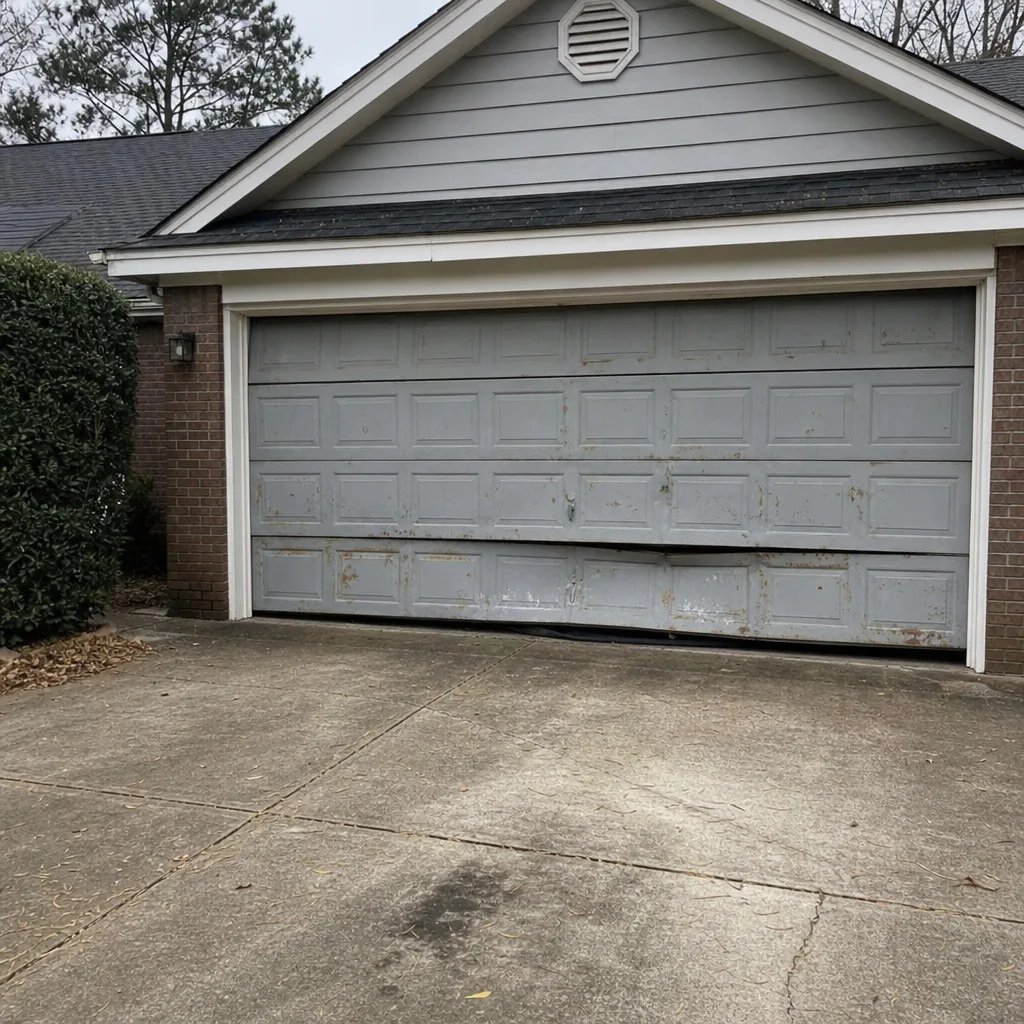 Before
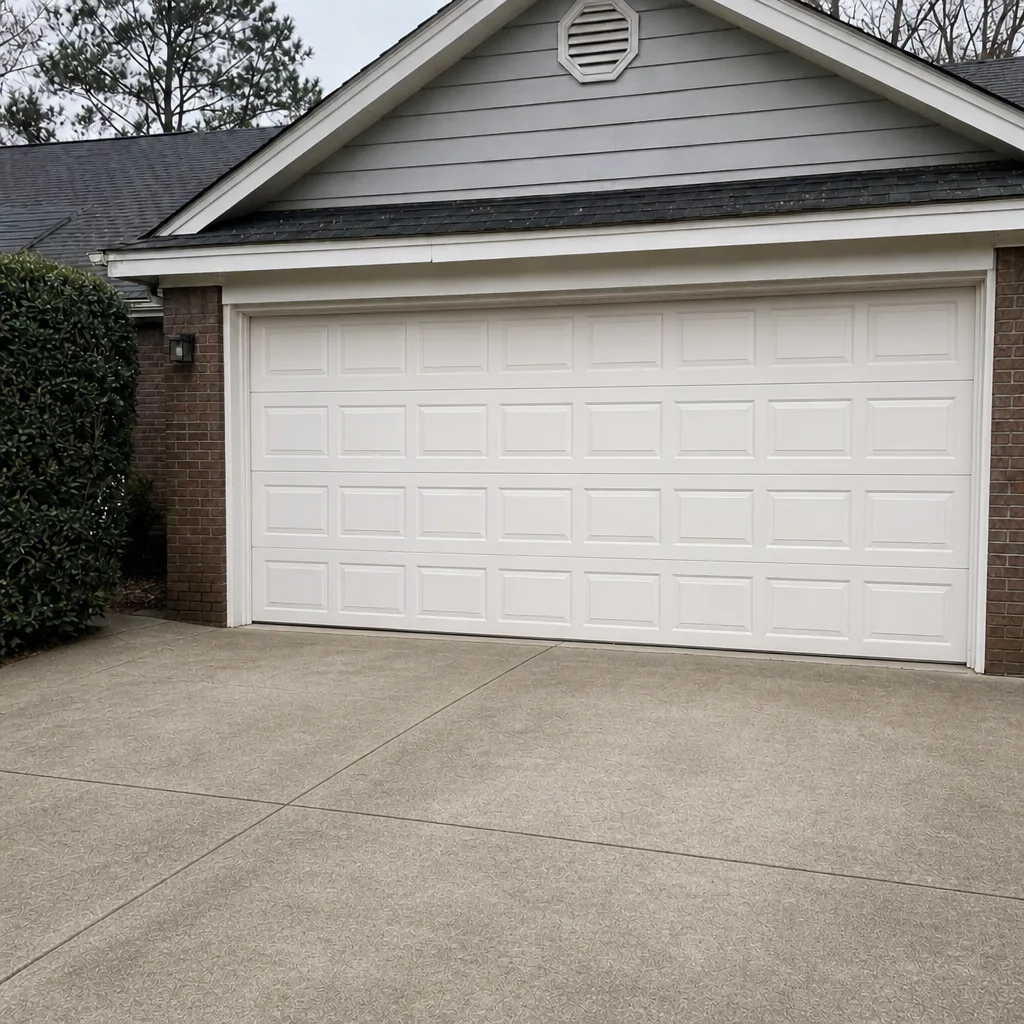 After
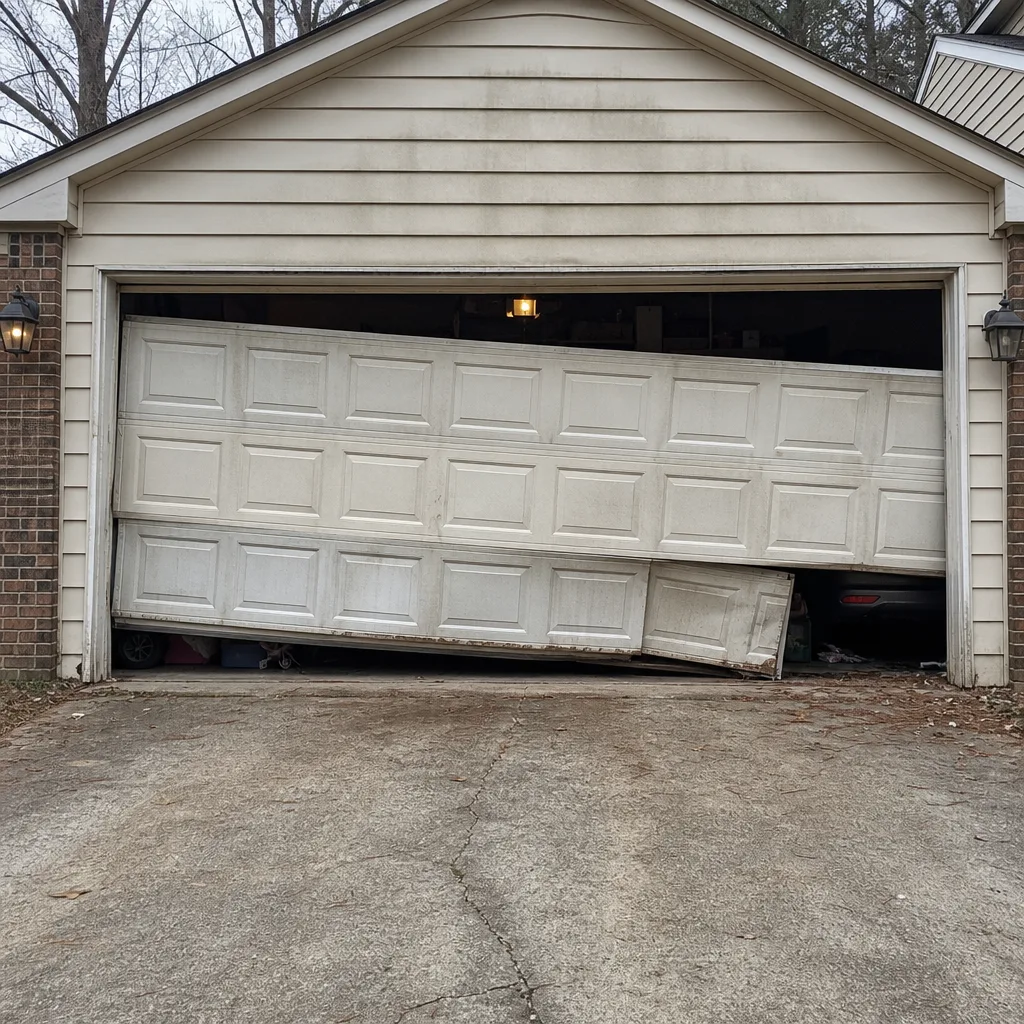 Before
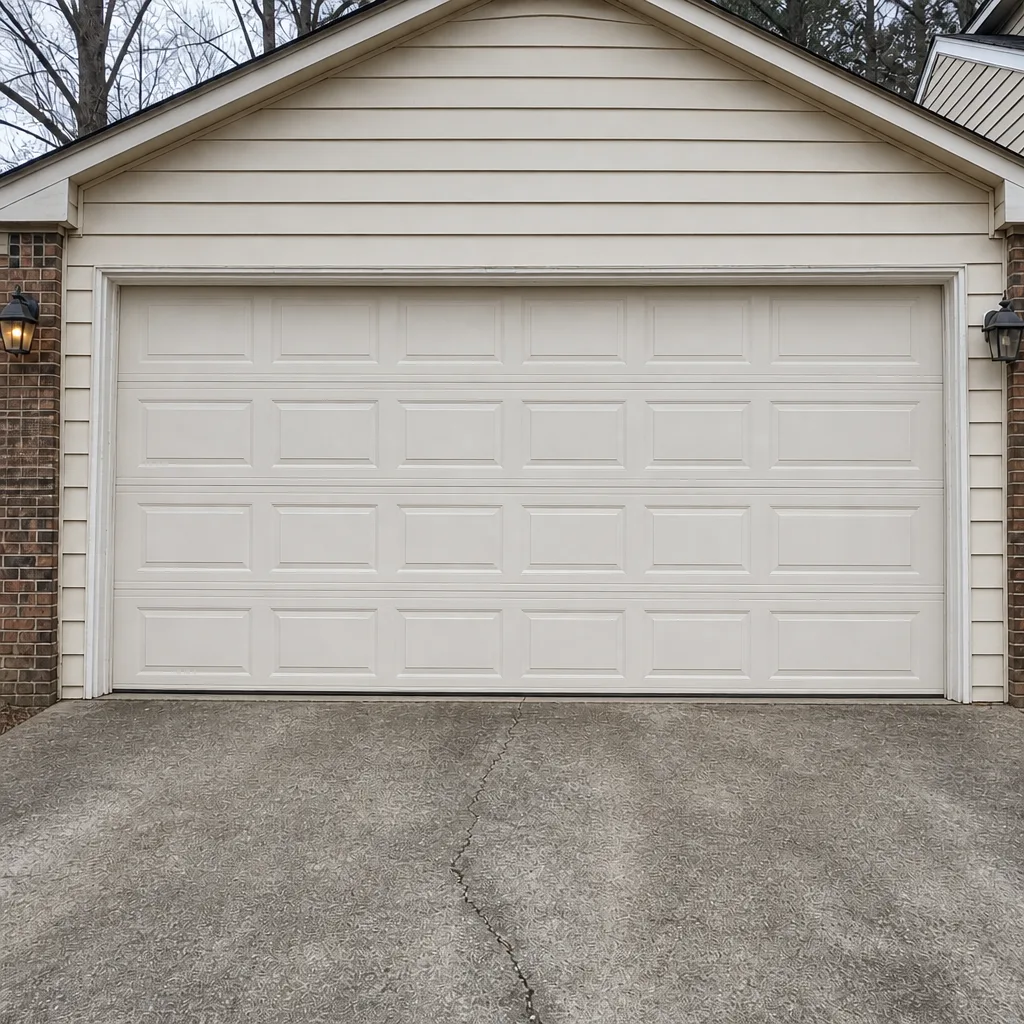 After
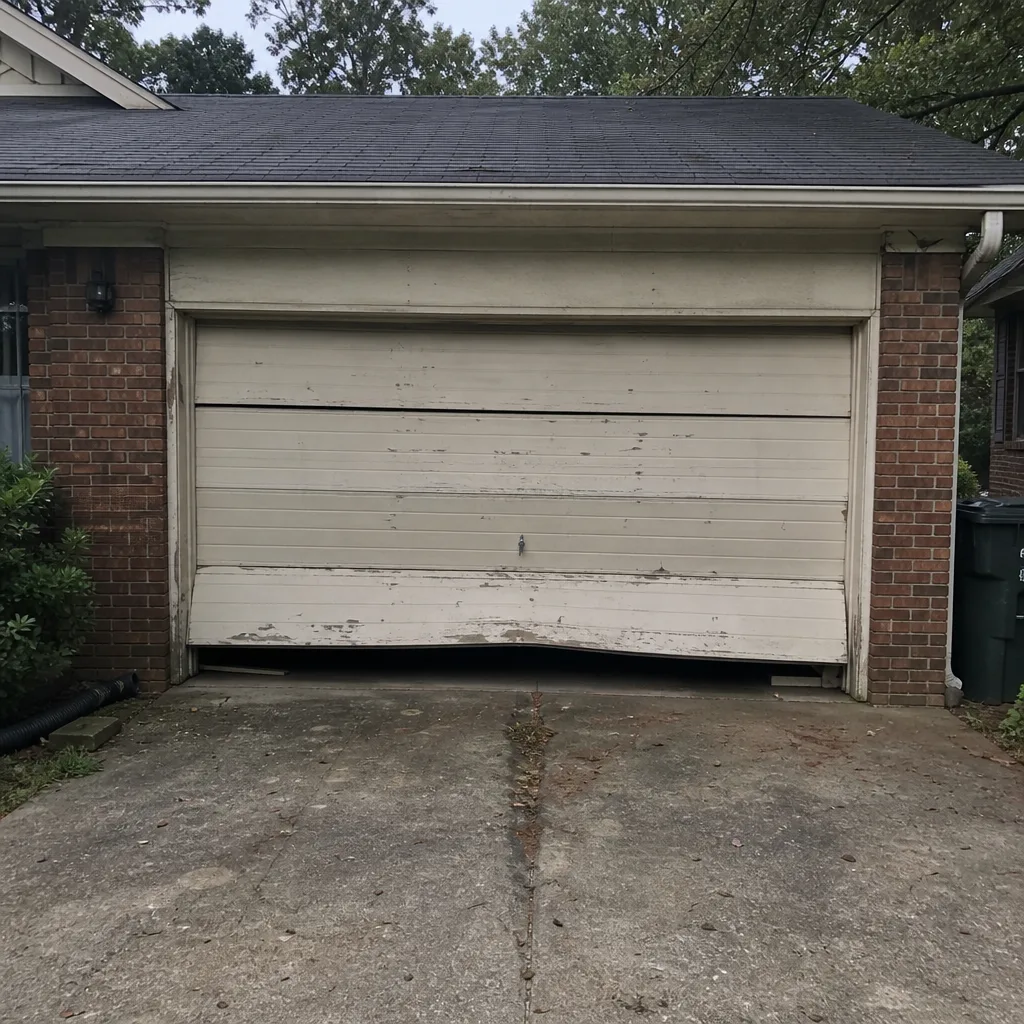 Before
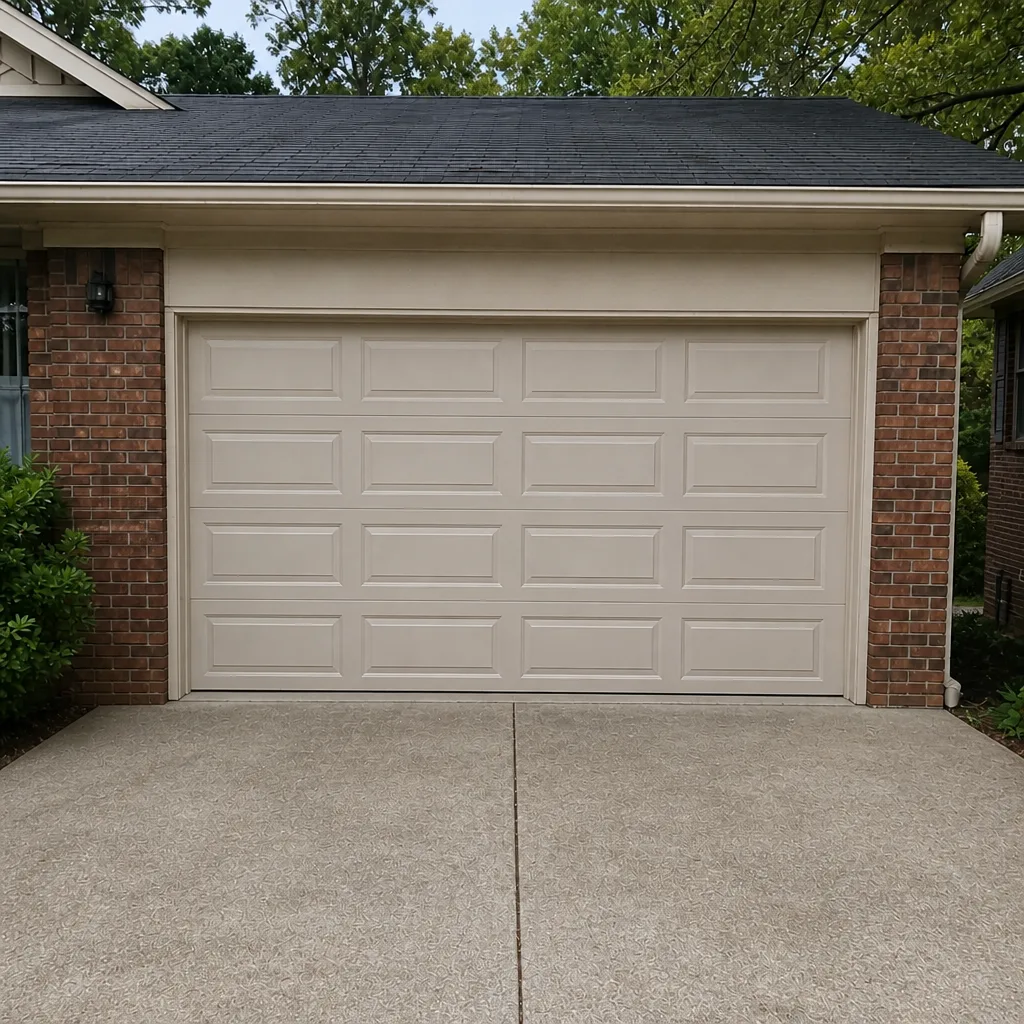 After
When to Call a Professional
Call a professional when the question involves structure, electrical, or the tension systems inside the door. That means a new opening, a header change, a new circuit for an opener, or any spring or cable work. If you’re buying a South Fulton home and the door’s condition isn’t documented, that’s also a call worth making before closing. Our technicians have up to 9 years of experience across the major brands, including LiftMaster, Chamberlain, and Craftsman openers and Raynor doors, and they can tell you quickly whether a scope stays in the exempt lane or crosses into permit territory. Sentry Garage Door Repair offers free estimates in South Fulton. Call (833) 612-7942 to book a look at your door before you commit to a project.
Frequently Asked Questions
Usually no, if the replacement is like-for-like into an existing opening on the same circuit. A new opening, a header modification, or new electrical work for an opener generally does require a permit, and the reviewing authority for your address makes the final determination. Call (833) 612-7942 for a free estimate and a written scope you can take to the building department.
Most addresses that carry a South Fulton name are now reviewed by the city of South Fulton, but some parcels in the broader area are still reviewed by Fulton County. Look up your parcel in the property records, then confirm directly with both offices. Call (833) 612-7942 if you want a written scope first.
Request the permit history for the address from the reviewing authority and compare the closed permits to the visible work on the door and opening. An open or expired permit on record is the item to resolve before closing. If you’d rather have the door evaluated first, call (833) 612-7942 for a free estimate.
No. The HOA review checks appearance and community standards, while the city permit checks structure, electrical, and code compliance. They are separate processes with separate timelines, and neither one replaces the other. Call (833) 612-7942 to line up the contractor side of both.
Unpermitted electrical work becomes a disclosure item during a South Fulton home sale and can complicate an insurance claim if the door system is involved. The remedy is typically to have the work inspected and brought into compliance, which means opening the wall again. Call (833) 612-7942 for a free estimate before that happens on your job.
You can do a same-size panel replacement yourself in many cases, but you cannot self-perform licensed electrical work, and spring and cable work is a genuine injury risk. The permit question stays with the property regardless of who did the work. For anything touching springs, cables, or a new circuit, call (833) 612-7942 and we’ll quote a free estimate.
The Bottom Line
In South Fulton, the permit question is not about the door. It’s about the scope around it. Like-for-like replacement usually needs no permit. New openings, header changes, and new opener circuits usually do, and those are the projects that show up as problems at a closing or an insurance claim if nobody pulled one. Verify your jurisdiction first, since city and remaining county parcels don’t go to the same office. Run the HOA review in parallel rather than after the permit. Pull permit history before you buy. And if the work touches springs, cables, or wiring, get a trained technician. Call Sentry Garage Door Repair at (833) 612-7942 for a free estimate and a written scope you can act on.
Written by the team at Sentry Garage Door Repair.