
Last updated November 16, 2026
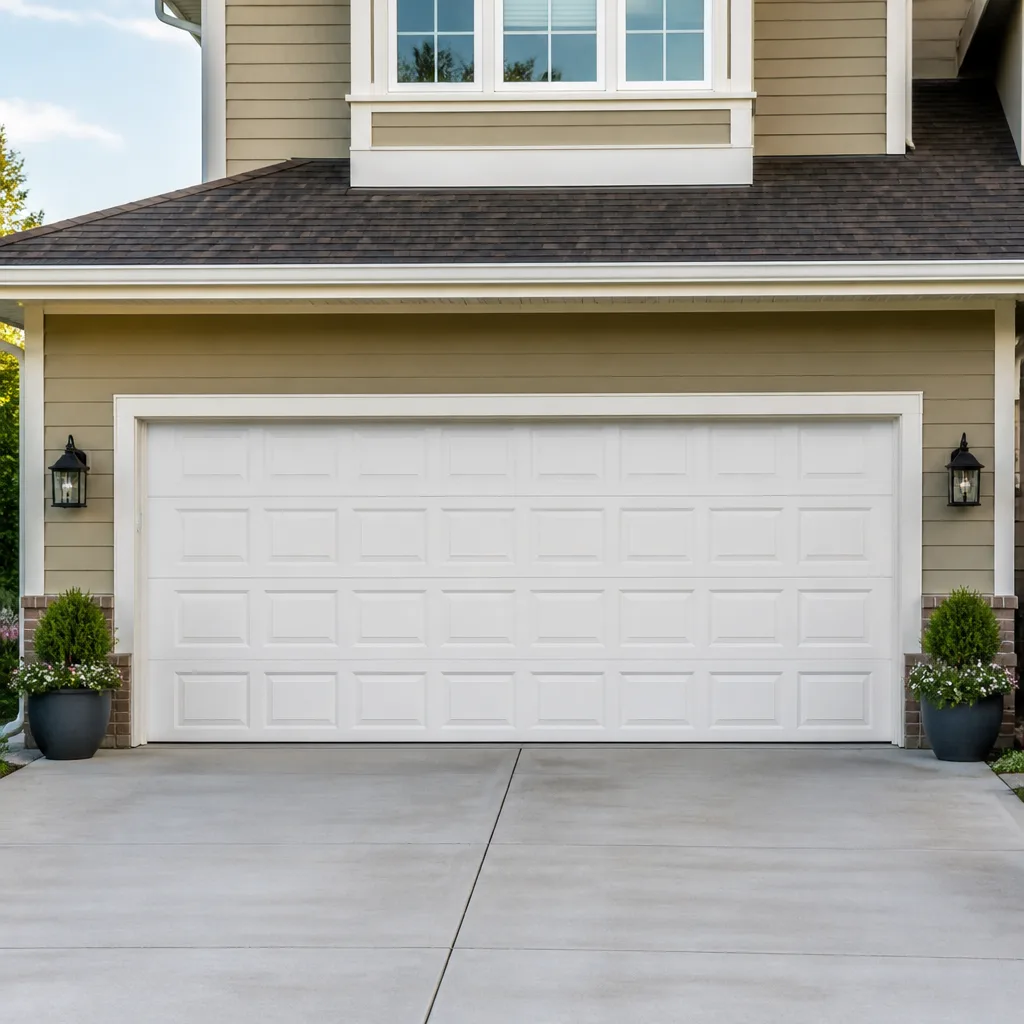 Raised-panel steel
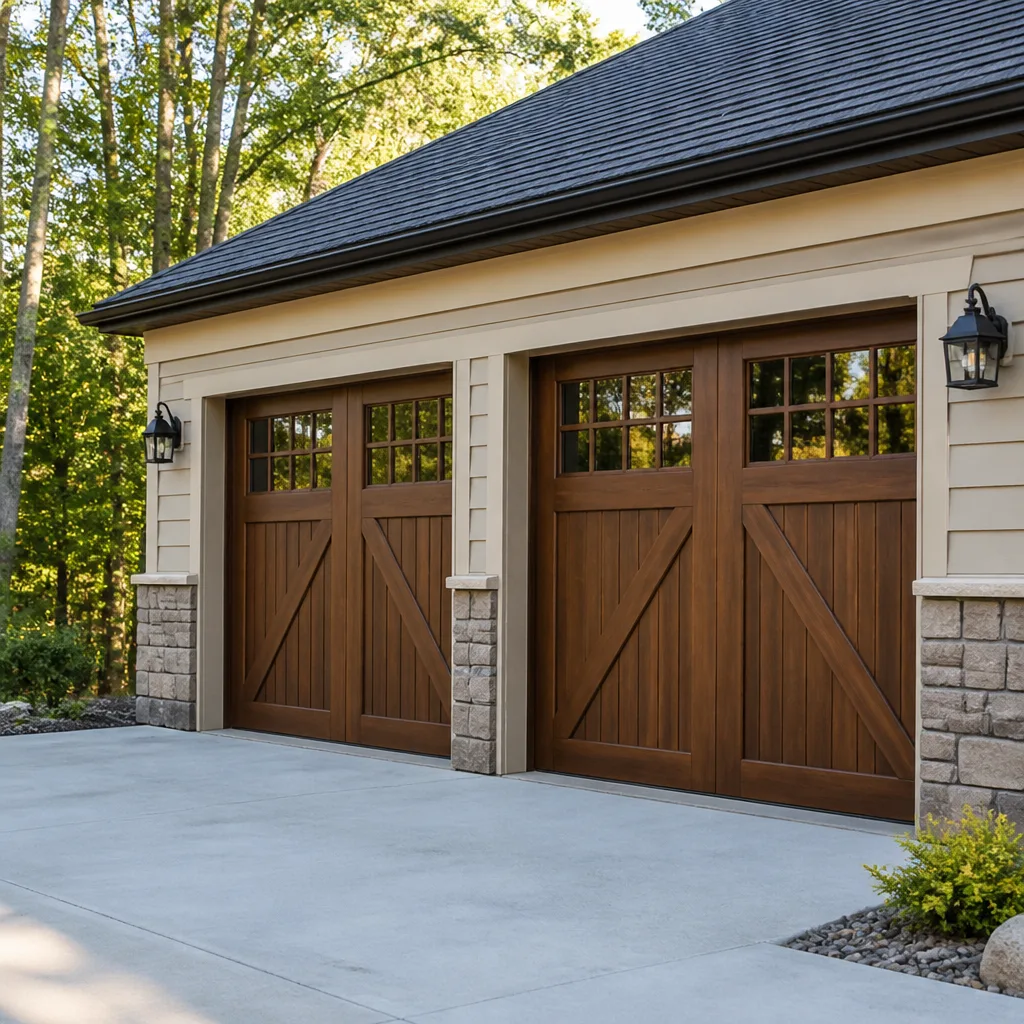 Carriage house
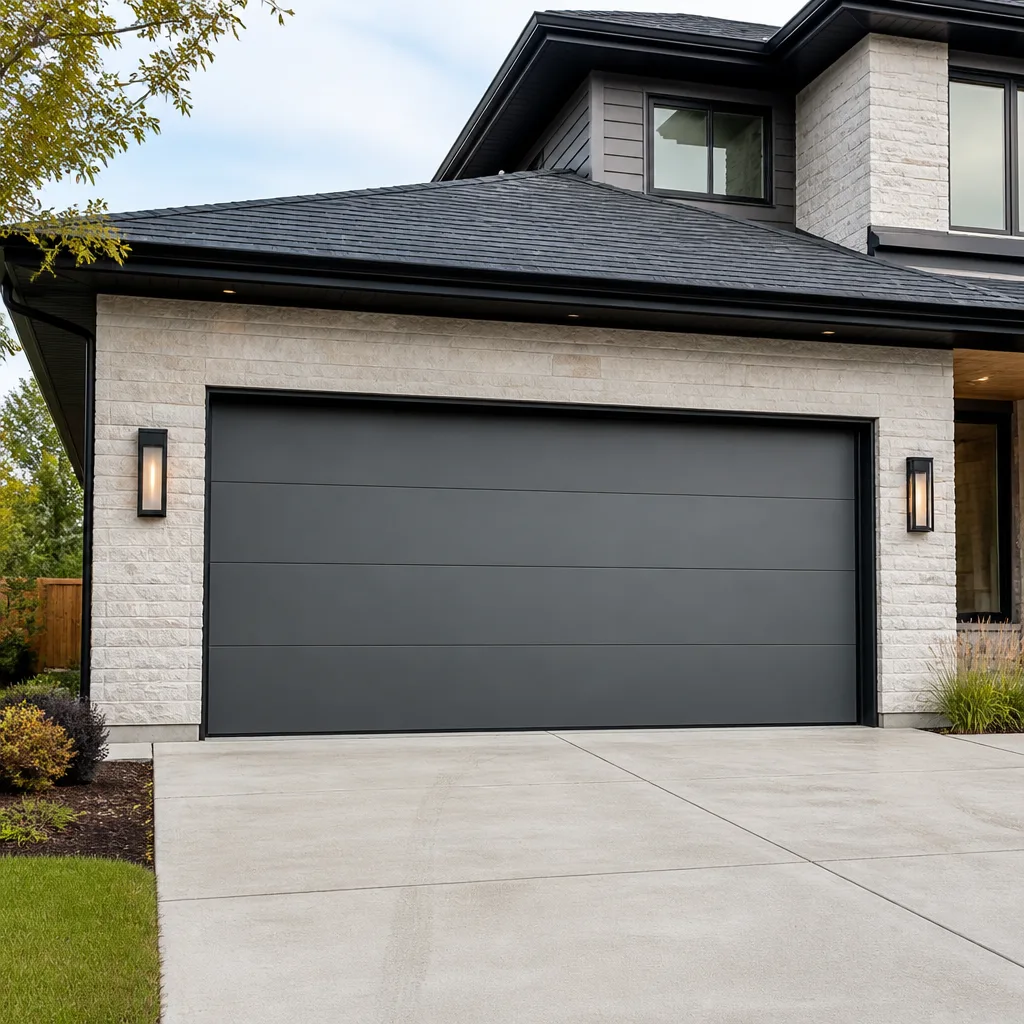 Modern flush
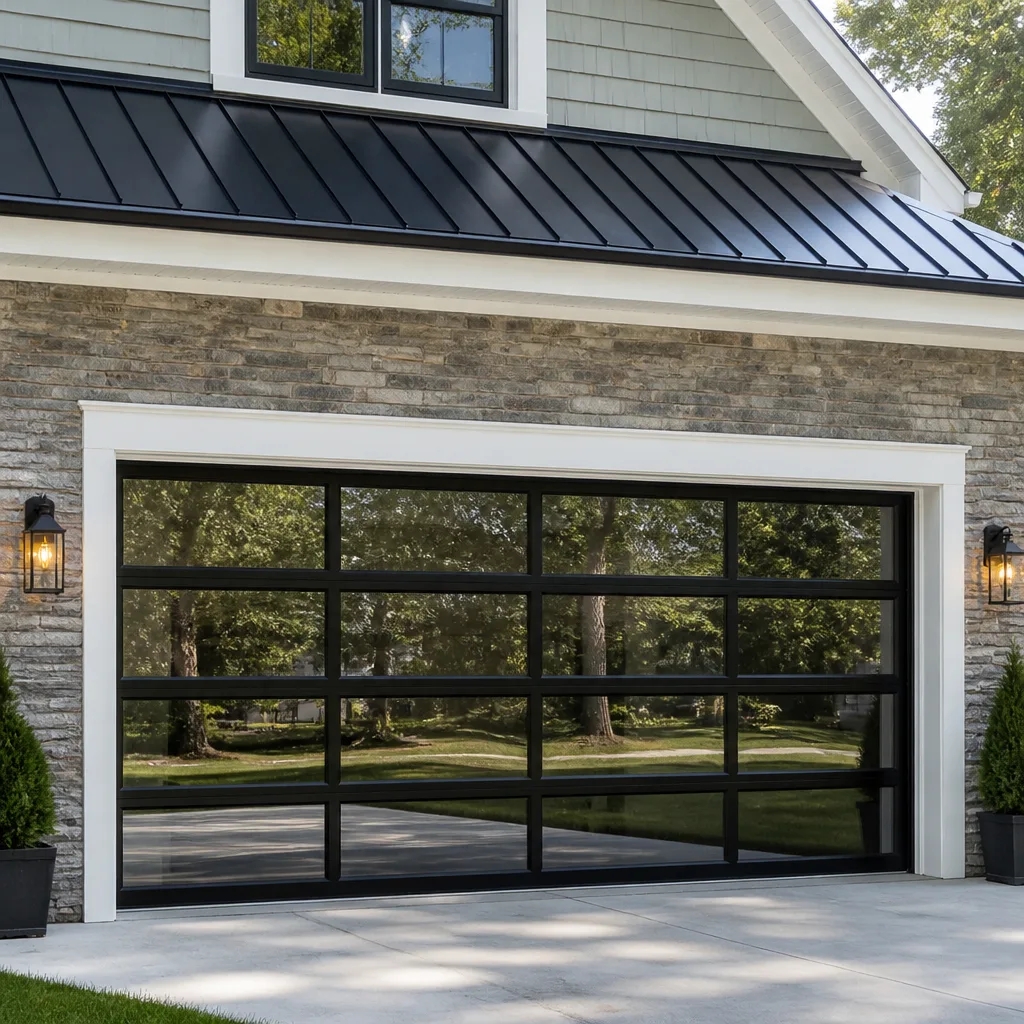 Full-view glass
 LiftMaster openers
 Chamberlain openers
Full 25-point door and opener safety check with every visit - springs, cables, rollers, tracks, and your LiftMaster or Chamberlain opener included
You get a price before we start. It does not change when the pro arrives.
Get your free estimateGarage Door Warning Signs: A South Fulton Homeowner’s Reference Guide
A garage door that hesitates for half a second before it moves is not just slow. It’s an opener running at maximum force to push through mechanical resistance that gets worse with every cycle, until the day it can’t. Most garage door failures in South Fulton don’t announce themselves with a bang. They show up as small things homeowners explain away: a rattle here, a pause there, a remote that needs two presses. This guide builds a symptom-to-cause framework so you can read what your door is telling you, tell a balance problem from a track problem, and know which signs mean stop and call today.
Quick Answer
The most important garage door warning signs are a door that reverses before it touches the ground, uneven or jerky movement, grinding that turns into squealing, a visible gap in the cable wrap on the drum, and an opener that strains or stalls. Each points to a specific system: safety sensors, springs and balance, rollers, cables, or opener logic. Any sign tied to springs, cables, or a door that won’t stay up is a stop-and-call situation, not a maintenance item.
Styles & brands we work with
- Raised-panel steel
- Carriage house
- Modern flush
- Full-view glass
- LiftMaster openers
- Chamberlain openers
Table of Contents
- How a Garage Door Tells You Something Is Wrong
- Balance Problem or Track Problem? The 30-Second Test
- Why Changing Noise Matters More Than Loud Noise
- What It Means When Your Door Reverses Before Hitting the Floor
- The Cable-Tension Check You Can Do From the Floor
- Opener Warning Signs, Including Smart-Enabled Systems
- South Fulton Conditions That Accelerate Wear
- Signs That Mean Stop Using the Door Today
How a Garage Door Tells You Something Is Wrong
A garage door is the largest moving object attached to your house. It runs on a system of torsion or extension springs, cables, rollers, hinges, and a track, all driven by an opener that measures resistance. When any one of those parts drifts out of spec, the whole system compensates. That compensation is what you hear and feel. The door doesn’t fail in a single moment. It degrades over hundreds of cycles, and each symptom is a data point about which part is losing the fight.
Here’s the framework we use when a technician walks up to a door in South Fulton:
- Listen before you touch anything. Noise tells you where the friction is.
- Watch the travel. Does it move evenly, or does one side lag?
- Test the balance. Disconnect the opener and lift the door by hand. A healthy door stays where you put it.
- Check the safety reverse. Does it reverse on contact, or before it reaches the floor?
- Look at the cables and drums. Cables should be wrapped tight and even.
Those five checks take a few minutes and narrow the problem to one or two systems. Most of the repair calls we handle across South Fulton come down to a homeowner who noticed one symptom, ignored it, and then had a second failure layered on top of the first. A grinding roller becomes a worn hinge. A weak spring becomes a strained opener. Diagnosis right the first time saves you from paying twice.
Balance Problem or Track Problem? The 30-Second Test
Uneven movement is the symptom homeowners most often misdiagnose, because a balance problem and a track problem look nearly identical from inside the garage. Both make the door pull to one side, hesitate, or bind. The repair scope is completely different, though, and a 30-second manual test tells you which one you’re dealing with.
How to run the balance test
- Close the door and pull the emergency release so the opener is disconnected.
- Lift the door with one hand to about waist height.
- Let go. A balanced door stays where you leave it, or drifts only slightly.
- If it drops, the springs are losing tension. If it fights you on the way up, the springs are over-tensioned or something is binding.
If the door balances but still drags on one side, look at the track. Run your eye along the vertical rails on both sides. A track that’s been knocked out of alignment by a car bumper, or one that’s pulled slightly out of plumb as a South Fulton home settles, will bind the rollers on that side even when the springs are healthy. Track repair is straightforward and usually cheaper than spring work. Spring work is the opposite: it’s the most dangerous job on the door and it belongs to a trained technician, never a homeowner with a pair of winding bars from a video.
Uneven movement without a clear cause after the balance test is worth a professional look. Call (833) 612-7942 and we’ll diagnose it properly rather than guess at parts.
Why Changing Noise Matters More Than Loud Noise
A door that has always been loud isn’t necessarily failing. A door that has changed its noise is. The distinction matters because homeowners tend to focus on volume, and volume is the least useful signal. A grinding that shifts into a squealing is a different story. That transition usually marks the point where a roller has gone from worn to seizing.
Here’s how to read what you’re hearing:
- Rattle that builds over months: loose hinges or roller stems. Cheap fix, worth doing early before the hardware wallows out the hole.
- Grinding that comes and goes: a dry or worn roller under load. Lubrication may quiet it briefly, but if it returns, the roller has worn past saving.
- Grinding that turns to squealing: the roller bearing has failed or is failing. The wheel is dragging instead of rolling, which loads the track and the opener at the same time.
- Popping or snapping from the torsion bar: a spring or winding component is on the way out. Stop and call.
- Rumbling from the opener head: a gear or bearing inside the unit, not the door. That’s garage door opener repair territory, a different diagnostic path entirely.
Chasing noise with spray lubricant alone is the most common mistake we see. It masks a worn roller for a week or two while the underlying wear keeps advancing. The better move is to find which component changed and replace it before it takes the track or the opener with it. If you can’t pin down the source, that’s a short diagnostic call rather than a guess.
What It Means When Your Door Reverses Before Hitting the Floor
A door that reverses before it touches the ground is not malfunctioning. It’s the safety system working exactly as designed. The door is detecting an obstruction in the last few inches of travel, and it’s doing the one thing that protects anyone standing in that space. Understanding what it’s detecting tells you whether you have a sensor problem, a travel-limit problem, or a genuine mechanical issue.
The two causes worth knowing:
- Sensor interference or misalignment: the photo-eye sensors mounted near the floor on each side of the track detect obstructions. Sunlight hitting one sensor, a spider web, a leaf, or a sensor knocked slightly out of aim will all cause a reversal.
- Travel limits set short: the opener thinks it has reached the floor when it hasn’t. The door reverses because the logic board believes the cycle is complete.
What you should never do is bypass or defeat the safety reverse. If the door stays down because the sensor is taped over or the force is cranked up, you’ve removed the main protection between the door and anything in its path. We treat this as a security-system issue, not a mechanical annoyance, and it’s the way every technician at Sentry Garage Door Repair is trained to look at it.
A door that reverses before the floor on a garage door repair visit is usually a quick fix once the sensor and travel limits are checked in the right order. Call (833) 612-7942 and we’ll sort out which it is.
The Cable-Tension Check You Can Do From the Floor
Garage door cables are under enormous tension and can unwind violently without warning. You can check yours at a glance from the floor without touching anything. Look at the drums at the top corners of the door. The cable should be wrapped tight and even, with each coil sitting flush against the last.
What a problem looks like:
- Loose coils or a gap: the cable has lost its drum wrap. It’s on borrowed time and can whip under load.
- Cable hanging slack on one side: the drum has slipped or the cable is frayed or already broken. Stop using the door.
- Frayed strands or rust: the cable is degrading. A single broken strand is enough to set a failure in motion.
- Door visibly out of level: a sign that one cable has lost tension and the other is carrying the load alone.
A cable that’s lost its wrap can unwind under load, and it doesn’t wait for a convenient time. If you see any of the above, stop cycling the door and call. This is not a repair to attempt yourself. Cables and springs together carry the full weight of the door, and getting it wrong causes serious injury. Our technicians have up to 9 years of experience with cable and spring systems, and they’ll tell you plainly what needs to be done.
Opener Warning Signs, Including Smart-Enabled Systems
Opener problems look like door problems until you isolate them. The opener is the one part of the system you can diagnose by whether the door moves without it. Newer openers, including LiftMaster units with MyQ and later-generation Chamberlain and Genie systems, add a layer homeowners don’t always read correctly: connectivity dropouts that look like a WiFi issue but are actually a logic board on its way out.
Signs specific to smart-enabled openers:
- Connectivity that drops and returns over days. If the WiFi signal is strong at the opener and the app still loses the unit, the radio or logic board is suspect, not the network.
- App commands that time out but wall buttons work. The door moves fine locally, but remote commands fail. That points inward to the opener, not outward to your router.
- Random reversals or unexplained stops in a unit with no mechanical problem. Logic-board temperature drift or a failing control board can cause this. It’s a repair, not a reset.
- Remote range that shrinks gradually. On older units, a failing receiver. On newer ones, an antenna or board issue.
A smart-enabled opener that misbehaves is worth a proper diagnostic rather than a factory reset loop. We service the full range, from legacy radio-frequency openers to modern connected systems, across garage door opener repair and the door itself, so you’re not handed off to a second company.
South Fulton Conditions That Accelerate Wear
Garage doors age at different rates depending on where you park them. South Fulton sees hot, humid summers and stretches of cold, wet winter weather. That combination does specific things to a door that homeowners in milder climates don’t see as quickly.
What to watch in South Fulton:
- Summer heat and humidity: lubricant dries and thins, and rollers and hinges are the first to feel it. A door that ran quiet in April can start grinding by July.
- Temperature swings: the torsion springs and opener travel limits both move with temperature. A door that binds in cold weather but not warm is telling you the limits need adjusting, not that the door is fine.
- Pollen and debris: South Fulton’s tree cover means pollen and leaf debris collect in tracks and on sensor lenses. A sensor that reverses the door in spring is often just dirty.
- Settling slabs: newer construction across South Fulton can mean concrete movement that pulls a track slightly out of plumb over the first few years. That’s the track-binding problem described earlier.
A seasonal look at the door, the balance test, and the cable wrap is worth 10 minutes twice a year. Most of the expensive failures we see in South Fulton were visible as a symptom for weeks before the failure itself.
Signs That Mean Stop Using the Door Today
Some symptoms are a maintenance item. Some are a stop sign. The distinction is whether the sign points to a part that can fail suddenly and dangerously under load. If you see any of the following in South Fulton, stop cycling the door and call.
- A snap or loud pop from the torsion bar, followed by slack or a door that won’t lift. A spring has broken. Never try to lift a door with a broken spring by hand.
- A cable that’s frayed, hanging, or visibly off the drum. Can unwind under load and injure anyone in the path.
- A door that drops suddenly when you let go during the balance test. Springs have lost tension and the door is unsecured.
- The door comes down and refuses to stay up. Same problem, different symptom. Stop using it.
- Off-track rollers or a bent track after an impact. The door can come out of the track and fall.
- Bypassed safety reverse. A sensor that’s been taped or defeated removes the only thing between the door and whatever’s underneath it.
For any of these, keep the door closed if it’s safe to do so and call (833) 612-7942. We answer 24/7. A call outside dispatch hours is booked into the next opening, Sunday through Friday, 7am to 7pm.
Common Mistakes to Avoid
- Greasing a grinding roller to quiet it. Lubricant masks the symptom while the worn bearing keeps loading the track. If you have to re-grease a roller more than once, it needs replacing.
- Taping over a sensor that’s reversing the door. It’s the single most dangerous shortcut on the whole system. The sensor is doing its job. Clean it, realign it, or call someone.
- Cranking up the opener force to get past a hesitation. If the door is fighting the opener, the resistance is the problem. More force just breaks the weaker part faster.
- Lifting a door by hand with a broken spring. The door weighs hundreds of pounds and has nothing holding it. This is how people get hurt.
- Waiting until a weak cable lets go. A cable that’s lost its drum wrap is visible for weeks before it fails. Look at the drums and act early.
- Assuming a smart-opener dropout is a WiFi problem. If the app times out but the wall button works, the issue is in the unit. Factory resets don’t fix a failing logic board.
- Letting a neighbor or handyman “shotgun” the springs. Springs and cables need the right parts for the door weight and correct winding. A wrong-weight spring wears the opener and the door.
See the difference
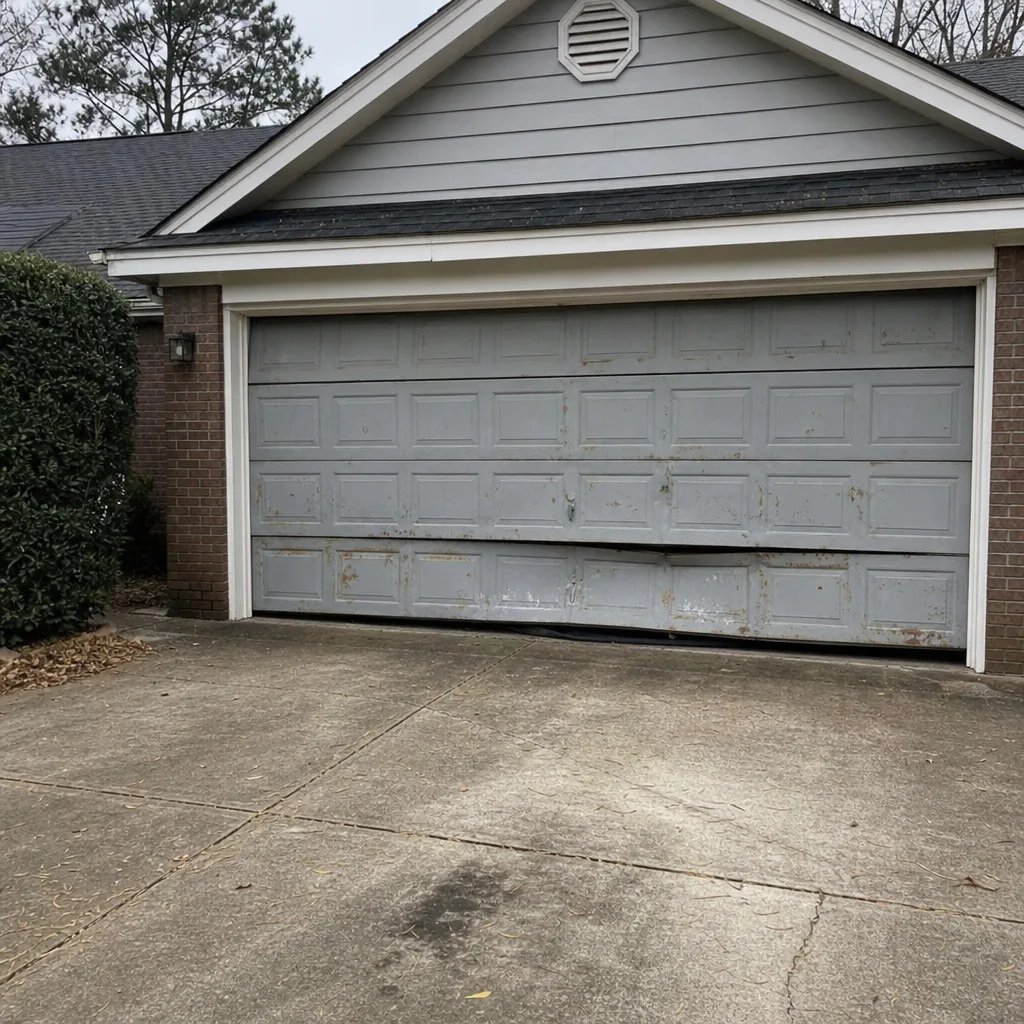 Before
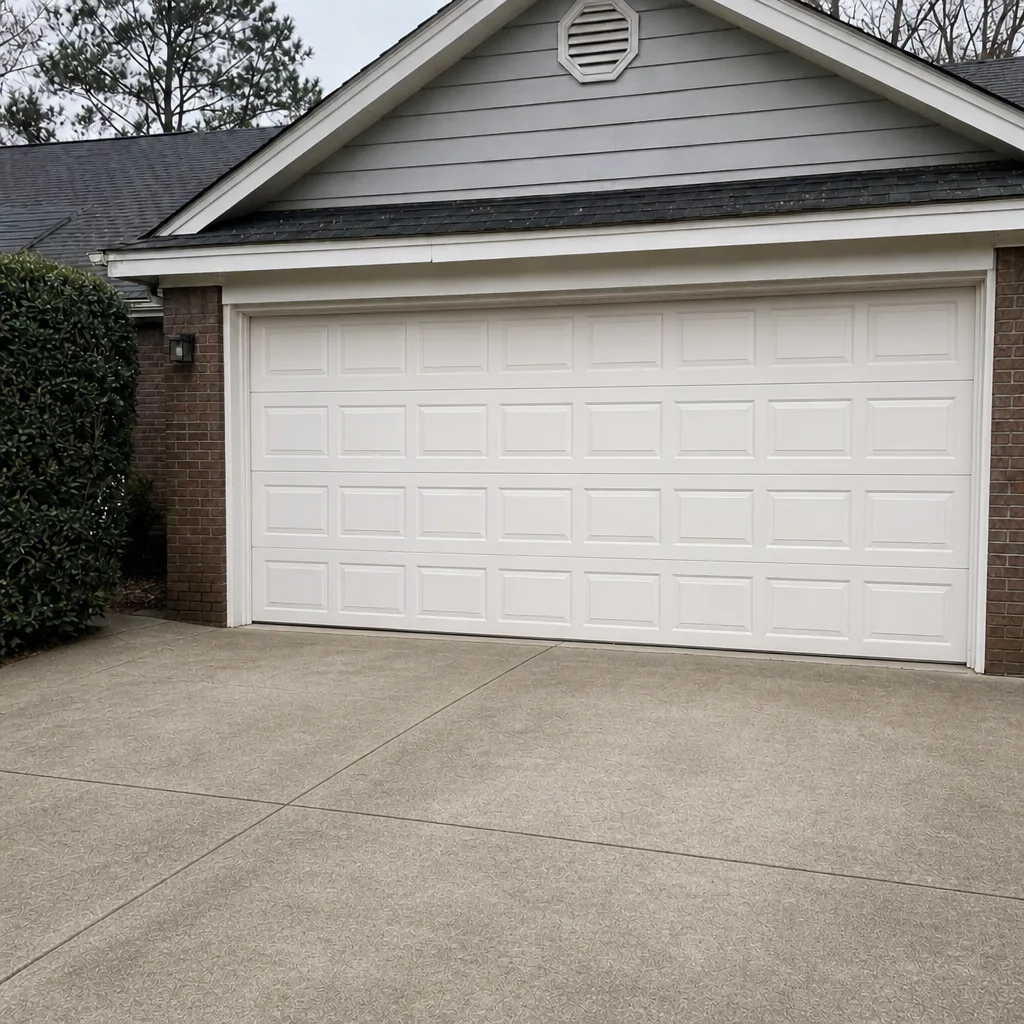 After
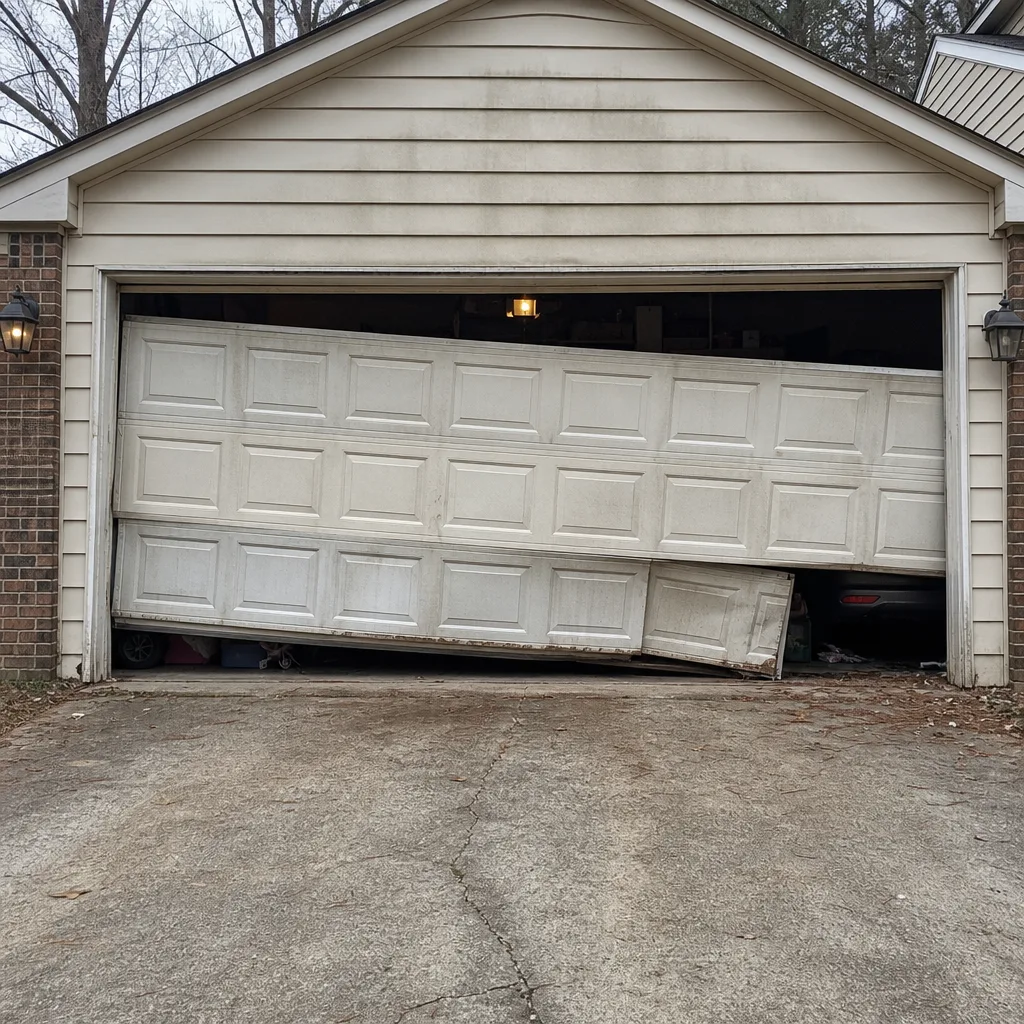 Before
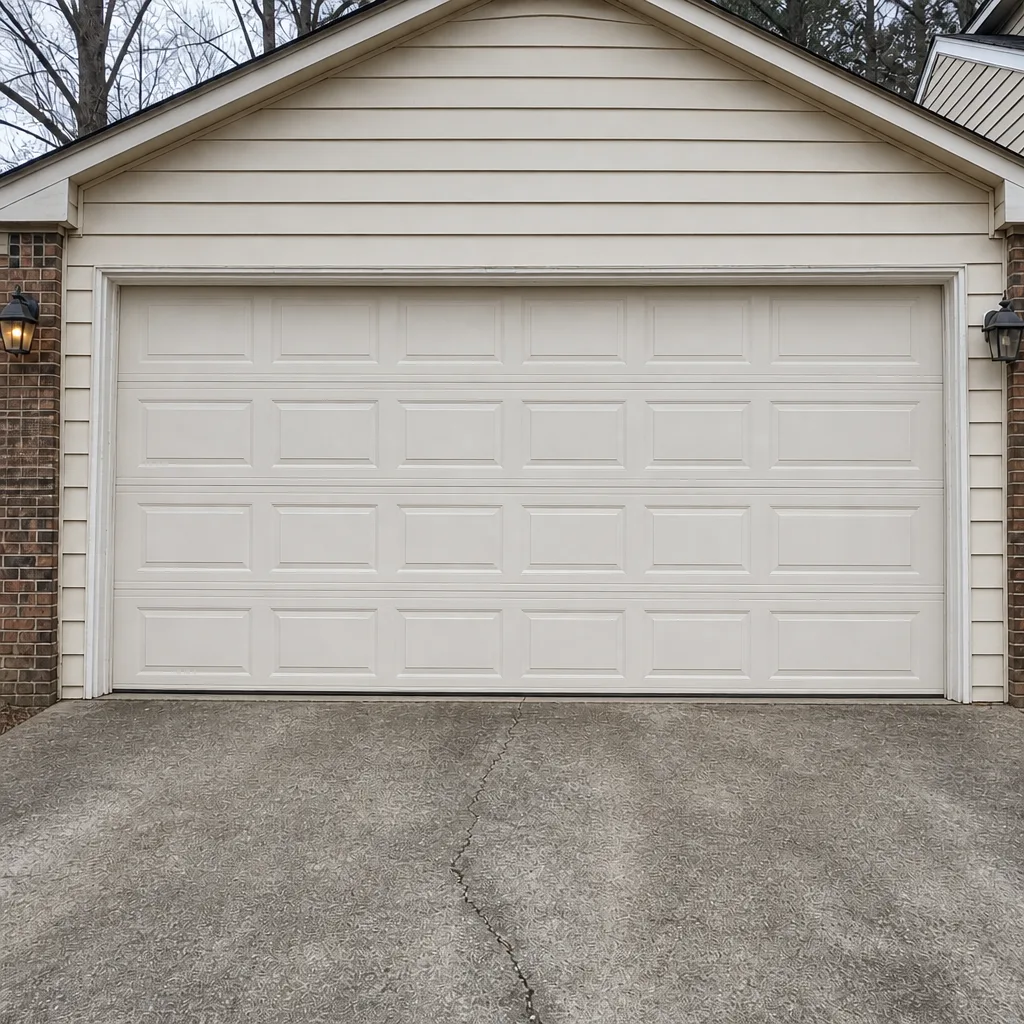 After
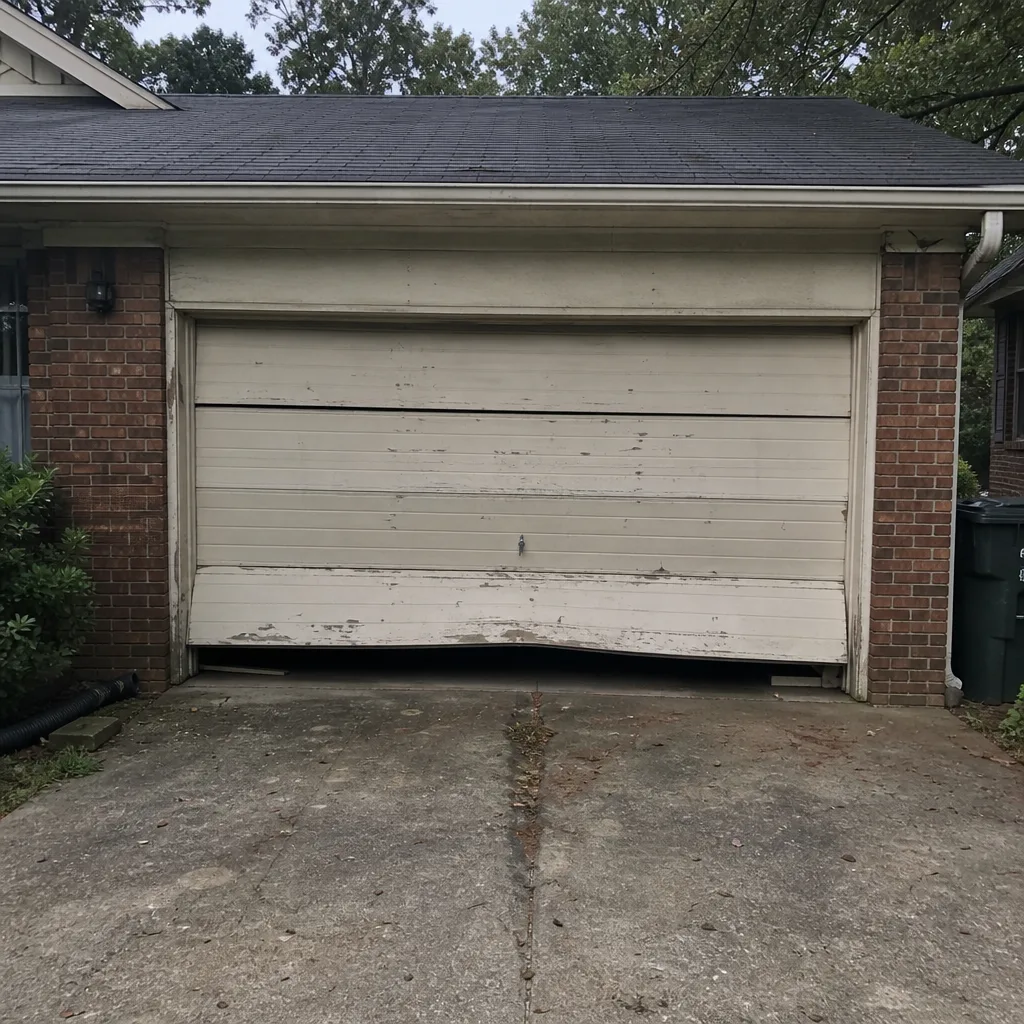 Before
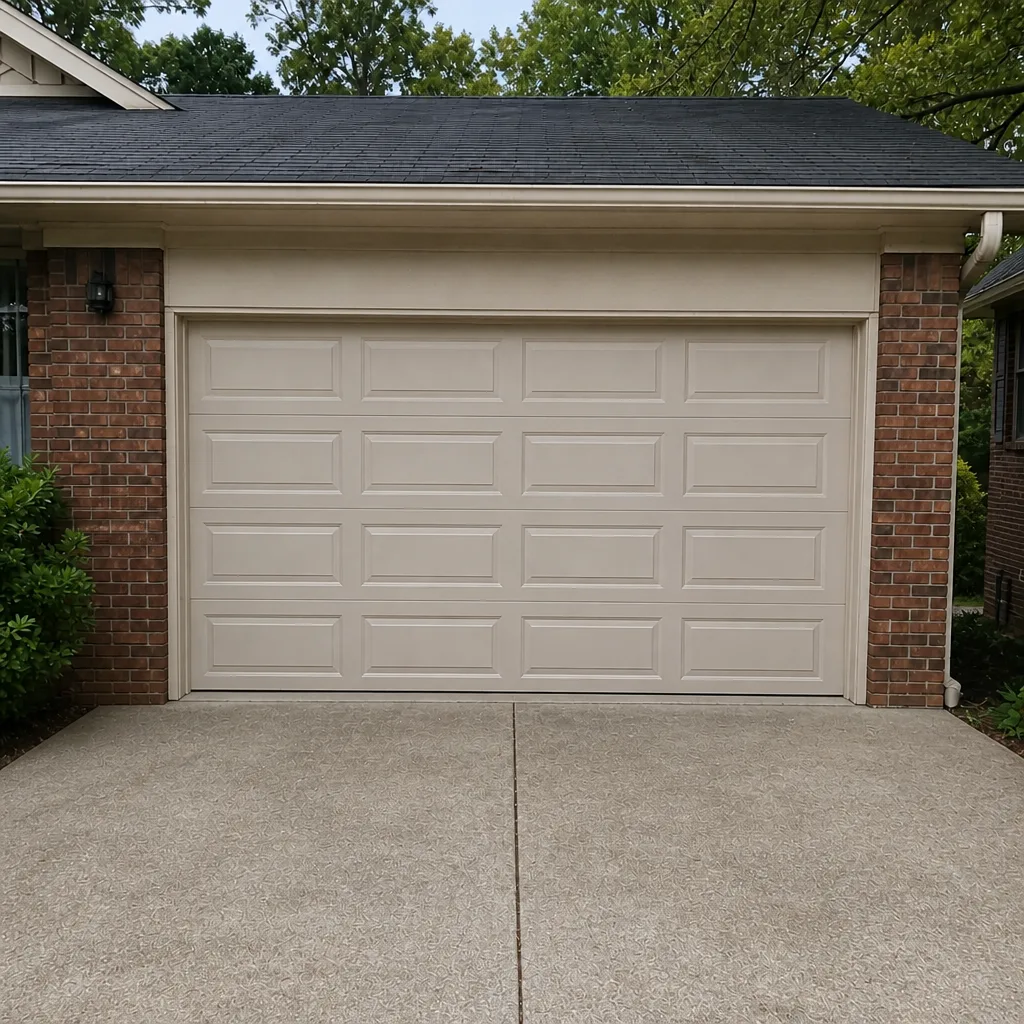 After
When to Call a Professional
Call a professional for any sign tied to springs, cables, a door that won’t hold its position, or an opener that’s cycling without a mechanical cause. And call if the balance test doesn’t clearly point to one system, because a wrong diagnosis costs you the second repair. Those are the jobs where a specialist pays for themselves. For noise, binding, or reversing before the floor, a diagnostic visit tells you exactly what’s wrong before any work begins. Sentry Garage Door Repair offers free estimates in South Fulton and free written pricing before work starts. Call (833) 612-7942. We answer 24/7. Fast dispatch from 7am to 7pm, Sunday through Friday.
Frequently Asked Questions
A door that won’t stay in position during the balance test. That means the springs have lost tension and the door is no longer safely holding itself, and the next symptom can be a sudden drop. Stop using the door and call for a diagnostic. Call (833) 612-7942 for an exact quote. Estimates are free.
No, it’s almost always the safety reverse working as designed. The door detects an obstruction from the photo-eye sensors, sunlight, debris, or travel limits set short, and reverses to protect anyone underneath. Never bypass it. Clean and realign the sensors first, and call if it continues.
Run the balance test: pull the emergency release, lift the door by hand, and let go. A balanced door stays where you leave it. If it drops, the springs are the problem. If it balances but still drags on one side, a track is out of alignment and needs realignment, not spring work.
Yes, if you call early enough for fast dispatch, Sunday through Friday, 7am to 7pm, we can often get a technician out the same day. We answer 24/7. A call outside dispatch hours is booked into the next opening, and we close on Saturday. Call (833) 612-7942.
Usually not, if the wall button still works when the app fails. Connectivity dropouts that come and go while local control is fine often point to a logic board or antenna issue inside the opener, not your router. It’s worth a diagnostic rather than repeated resets.
We service LiftMaster, Chamberlain, Genie, Clopay, Amarr, Wayne Dalton, Craftsman, and Raynor. That includes both legacy radio-frequency openers and modern smart-connected units. We make recommendations based on what fits your home, not a dealer agreement. Call (833) 612-7942 to book a free estimate.
The Bottom Line
Garage door warning signs almost always show up before the failure, and knowing what to look for turns a $700 emergency into a planned repair. Balance and track problems look alike but have different fixes. Noise that changes matters more than noise that’s loud. A door that reverses before the floor is protecting you. A cable that’s lost its drum wrap is a stop sign. And a smart opener that drops connection while working locally is telling you something about the board. For a free written estimate in South Fulton, call Sentry Garage Door Repair at (833) 612-7942. We answer 24/7. Fast dispatch from 7am to 7pm, Sunday through Friday.
Written by the team at Sentry Garage Door Repair.