
Last updated November 16, 2026
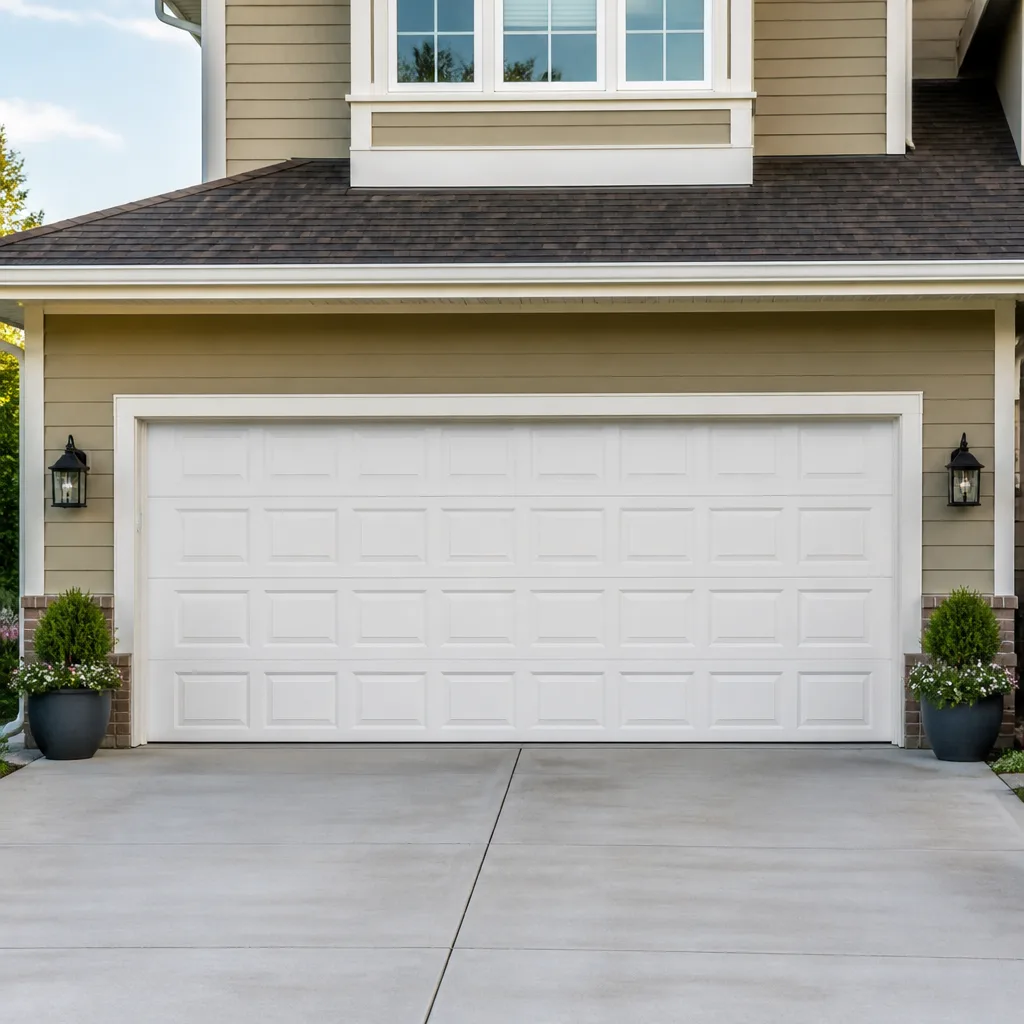 Raised-panel steel
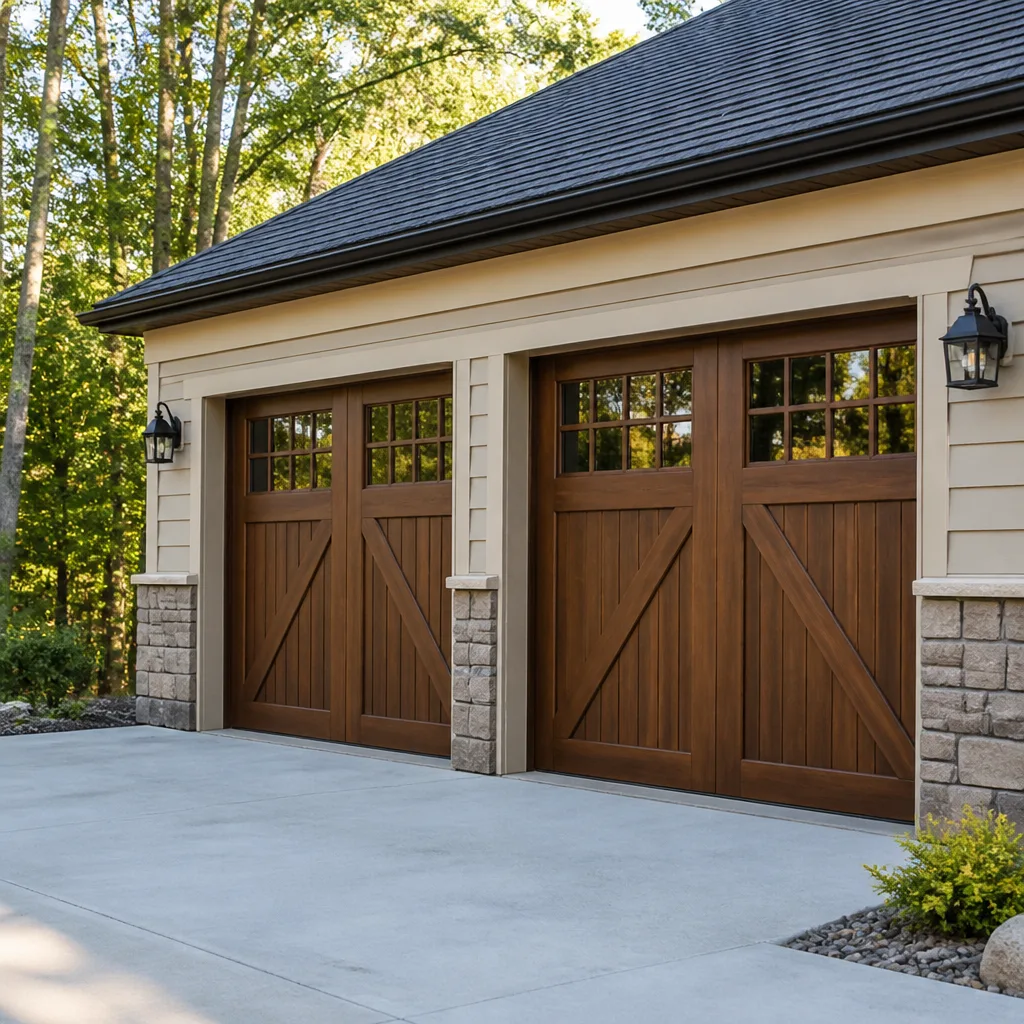 Carriage house
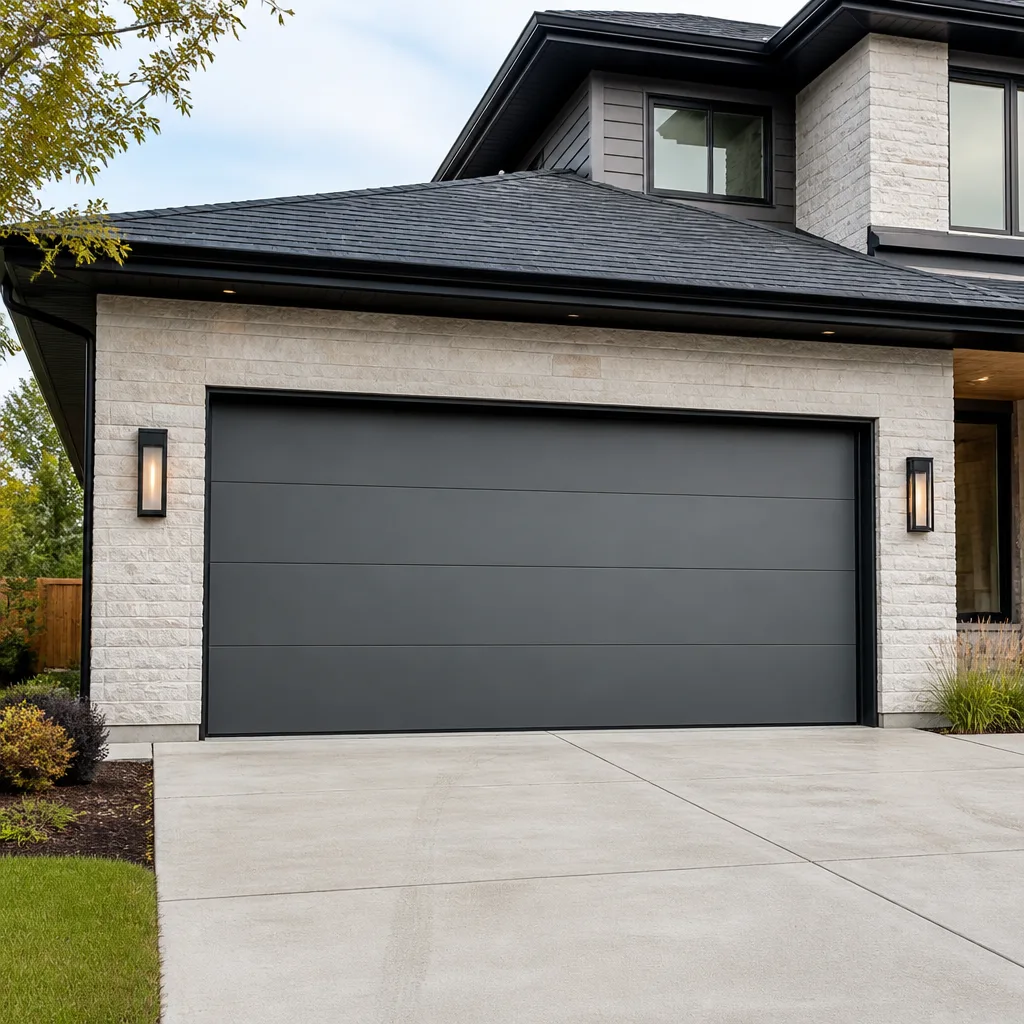 Modern flush
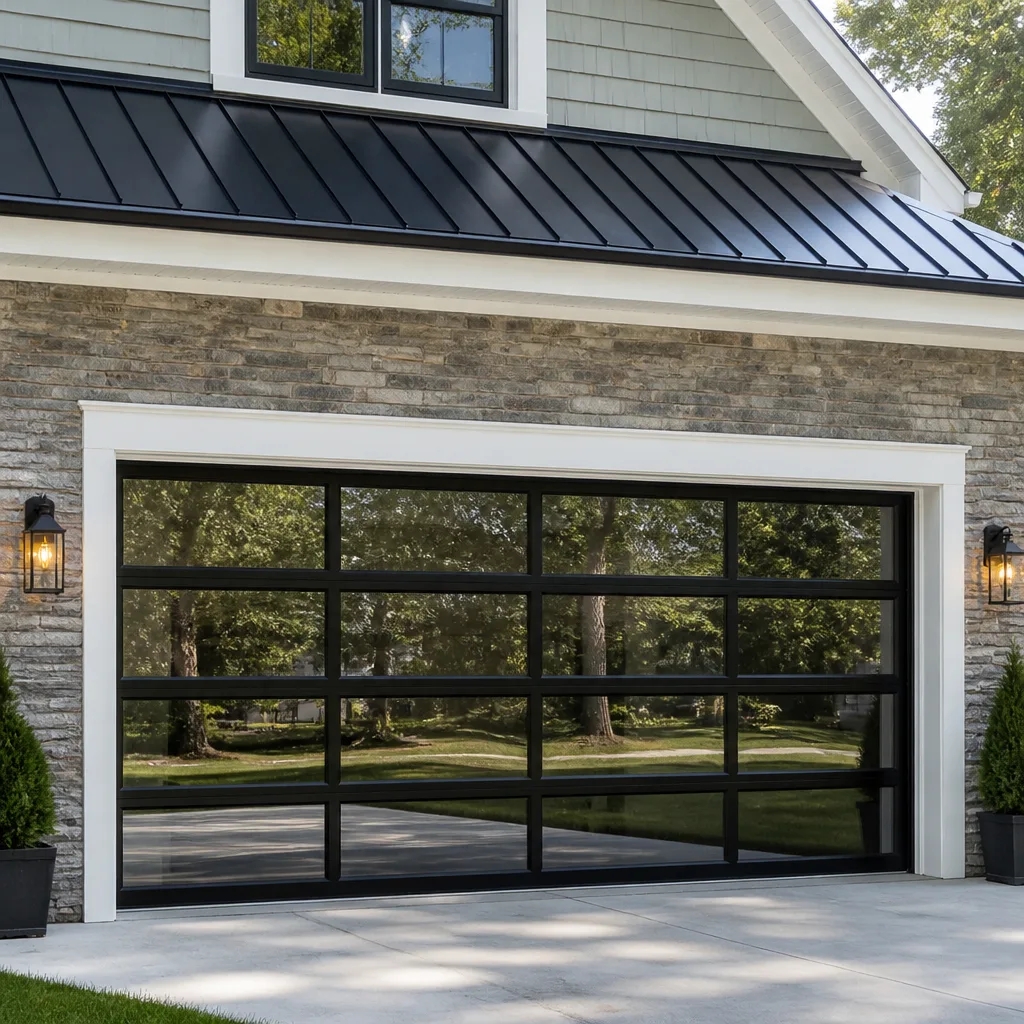 Full-view glass
 LiftMaster openers
 Chamberlain openers
Full 25-point door and opener safety check with every visit - springs, cables, rollers, tracks, and your LiftMaster or Chamberlain opener included
You get a price before we start. It does not change when the pro arrives.
Get your free estimateSeasonal Garage Door Care for South Fulton: Year-Round Homeowner’s Guide
Most seasonal garage door advice homeowners find online was written for Northern climates, where the enemy is a hard freeze and the answer is to lubricate before winter. Follow that schedule in South Fulton and you’ll spend your effort at the wrong end of the year. Our summers are long and humid, our winters are mild but damp, and the stress your door actually feels comes from heat expansion, sudden storm pressure drops, and red clay that finds its way into every track. This guide lays out a care calendar built for Georgia, not Minnesota, and shows you what to check, when to check it, and when to stop and call.
Quick Answer
Garage door care in South Fulton runs on a two-season rhythm, not four. The critical work happens in May, before summer heat changes panel alignment and storms start stressing your weatherseal, and in October, when you clear red-clay buildup from the tracks and calibrate your opener for cooler nights. Everything else across the year is light inspection and lubrication, plus a spring and cable check you should never do yourself. Following this calendar keeps hardware from corroding in humidity, keeps your door sealing against driving rain, and catches the wear that leads to a mid-summer failure.
Styles & brands we work with
- Raised-panel steel
- Carriage house
- Modern flush
- Full-view glass
- LiftMaster openers
- Chamberlain openers
Table of Contents
- Why Standard Seasonal Advice Doesn’t Fit South Fulton
- The Pre-Summer Protocol: What to Do in May
- Summer Storms, Pressure Drops, and the Door-Won’t-Seal Problem
- Fall Preparation: Red Clay and Cooler Nights
- Winter Opener Sensitivity Calibration
- Storm Season Readiness and Wind-Load Ratings
- The Monthly Ten-Minute Check
- Your South Fulton Year-Round Care Calendar
Why Standard Seasonal Advice Doesn’t Fit South Fulton
The seasonal garage door content that ranks highest online is largely written for climates with hard freezes and long dry summers. That advice assumes your biggest enemy is ice in the tracks and temperature swings that crack seals. South Fulton doesn’t work that way. Our freeze events are rare and brief, but our humidity runs high for months and our storm season is intense. The failure modes are different, so the maintenance calendar should be too.
Here’s what actually shortens door life in South Fulton, based on what we see on service calls throughout the area:
- Corrosion before wear. Hinges, rollers, and the bottom brackets collect humidity all summer. Rust starts at the pivot points before the parts fail outright, and once rust sets in, the door runs rougher and puts more strain on the opener.
- Wood swelling. If your door has wood or wood-composite panels and trim, humid summers swell those components. They swell into the frame and the door starts binding or rubbing against the weatherseal.
- Heat expansion. Metal panels expand in prolonged heat. A door that was perfectly balanced in March can shift slightly out of alignment by July, and that shift shows up as uneven gaps or a door that doesn’t close flush.
- Storm pressure drops. Summer afternoon thunderstorms roll through with rapid pressure changes that push against the weatherseal and stress the bottom brackets.
- Red clay. Our soil is heavy and red, and it tracks onto tracks, rollers, and door bottoms. In cooler weather it hardens into an abrasive grit that wears rollers and cables faster.
If you treat those five as your real seasonal stressors, the rest of the calendar makes sense. If you follow the Northern schedule instead, you’ll lubricate in November when the real work needed to happen in May.
The Pre-Summer Protocol: What to Do in May
May is the most important month on the South Fulton garage door calendar. The reasoning is mechanical. Spring tension is what balances the door, and once the summer heat sets in, metal panels expand and the alignment shifts. If your springs are already slightly under-tensioned going into that shift, the door runs heavy, strains the opener, and starts binding on one side. Inspecting and tensioning in May means the door is balanced before the heat arrives, not after.
Here’s what a pre-summer inspection covers:
- Test the balance. Disconnect the opener (pull the release handle) and lift the door halfway by hand. It should hold position with light effort. If it drops or rises on its own, the springs are out of balance. Stop here and call – don’t try to fix tension yourself. The springs are under extreme tension and can cause serious injury if handled incorrectly.
- Inspect the springs. Look for visible gaps or a stretched appearance on torsion springs. Look for stretched coils on extension springs. Either suggests it’s time for replacement before summer heat adds load.
- Check the cables. Look for fraying, kinks, or visible wear near the drums. Cables carry the same load as springs and fail the same way – suddenly. A trained technician should handle any cable replacement.
- Lubricate the moving parts. A silicone-based or lithium grease on hinges, rollers, and the torsion bar bearings. Not on the tracks. Tracks should be clean and dry.
- Clear the tracks. Wipe out grit and debris. In May you’re clearing winter buildup, not summer clay.
- Test the safety reverse. Place a piece of wood flat on the ground under the door and close it. The door should reverse on contact.
- Inspect the weatherseal. Check the bottom seal and side seals for cracks or lifting. If the bottom seal is brittle, replace it before storm season.
If you’re uncertain about the state of your springs or cables, that’s the moment to have a technician look. Our technicians have up to 9 years of experience, and a pre-summer balance check is quick. A garage door repair visit in May is far cheaper than a mid-July emergency when the door won’t come down.
Summer Storms, Pressure Drops, and the Door-Won’t-Seal Problem
Every July and August we field a surge of “my door won’t seal” calls across South Fulton. Homeowners close the door and there’s a visible gap at the bottom, or the door bounces back before reaching the floor. The cause is usually a combination of three summer-specific factors: rapid pressure drops from afternoon thunderstorms, a weatherseal that’s softened and lost adhesion in the humidity, and a bottom bracket that’s been stressed by repeated storm gusts. None of these is a dramatic failure – it’s a slow accumulation.
Here’s what’s happening and what to do about it:
The pressure drop effect. South Fulton afternoon storms push strong gusts against the door, then a sudden drop in air pressure on the back side. That pressure change pulls at the weatherseal from behind and can lift or crack it, particularly the bottom seal and the bracket that holds it in place. Once the seal lifts, water gets in at the bottom edge, and that water starts corrosion on the bottom brackets and the door bottom panel.
The softened seal problem. Hot humid air softens the rubber or vinyl weatherseal and degrades the adhesive on some seal types. You’ll find the seal pulling away from the bottom of the door, or sagging where it’s meant to be flush. A sagging seal doesn’t seal. It just hangs there, and gap equals water equals corrosion.
The bracket stress. Bottom brackets hold the cable and spring load at the bottom of the door. Storm gusts push against them, and if the bracket has any play, the repeated stress loosens it further. A loose bottom bracket is a serious safety issue – the bracket can fail and release a stretched cable. Do not attempt to tighten or adjust those brackets yourself. They’re under tension from the springs and cables above, and the wrong move can cause injury.
What to check mid-summer:
- Look at the bottom seal from inside the closed door with the lights off. Any light showing through means it’s not sealing.
- Check the bottom brackets for looseness by gently wiggling them. If they move at all, stop and call.
- Inspect the side weatherseal for cracks or gaps. Replace before they widen.
- Watch the door during a storm. If it visibly flexes or rattles more than it used to, the door is stressed and should be looked at.
Most of these are quick fixes a technician makes in one visit. If the seal is fine and the brackets are tight, the door stays sealed. If the door won’t seal or reverse properly, that’s the moment to book a call. Sentry Garage Door Repair handles this hands-on. Instead of a guess, our technicians diagnose the actual system. If you call, we answer 24/7. Fast dispatch from 7am to 7pm.
Fall Preparation: Red Clay and Cooler Nights
Fall in South Fulton is the reverse of spring. The heat lifts, the humidity drops slightly, and the door stops expanding. That’s when the accumulated red clay in the tracks starts to matter. During summer, clay tracks in on shoes and tires and mixes with humidity into something closer to paste. As fall temperatures cool, that paste hardens into a gritty abrasive. Left alone, it wears rollers, cables, and the track itself.
Here’s the fall preparation routine:
- Clean the tracks thoroughly. A damp rag and a light brush to clear the red-clay grit. Don’t use a pressure washer – water forces grit deeper and encourages rust. Wipe dry after cleaning.
- Re-lubricate moving parts. Hinges, rollers, the torsion bar bearings, and the opener rail. Silicone or lithium grease. Not on the tracks, and not on the springs themselves if you’re unsure what type of spring you have – ask a technician.
- Check the door balance again. Repeat the disconnect-and-lift- halfway test. Fall is when a door that was balanced in spring shows whether summer expansion left it out of alignment. A door that hangs on one side or doesn’t hold position needs adjustment.
- Inspect the weatherseal all the way around. Replace the bottom seal if it’s cracked or brittle, and check side and top seals as well. Any seal replacement now prevents winter drafts and water intrusion.
- Check for rust. Fall is when summer humidity left its mark. Look at hinges, bottom brackets, and the door bottom panel. Light surface rust can be treated with a metal-appropriate product; structural rust needs evaluation.
- Inspect the cables. Fraying and kinks. Any cable replacement should go to a technician. Rotate the drums by hand with the door up to check for uneven tension (but don’t touch the springs).
- Test the safety reverse. Same test as spring.
Fall is also the right time for an opener check. Cooler nights are the season when opener sensitivity starts generating false reverses, and you want to calibrate before the first genuinely cold night. More on that below.
Winter Opener Sensitivity Calibration
A garage door opener that reverses the door for no visible reason on a 40-degree night is a common call in South Fulton from December through February. The opener’s force settings are calibrated to the resistance it felt when the door was last tested, usually in warmer weather. When temperatures drop and metal contracts slightly, the resistance goes up, and the opener reads that extra resistance as an obstruction. Its safety system reverses the door to prevent crushing, which is exactly what it’s supposed to do if something is in the way. The problem is the false trigger.
Here’s how the opener’s safety system works, and what adjusting it should and shouldn’t mean:
- Two trip settings control the door: a close-force setting (how much resistance the door will exert before reversing on close) and an open-force setting (how much resistance before stopping on open). These are calibrated to the door’s actual friction.
- A false reverse on a cold night usually means the close-force is set too low for the door’s cold-weather resistance. The fix is to adjust the setting to the door’s actual measured resistance – not to crank it to maximum.
- Never disable the safety reverse. If you or a technician defeat the safety reverse to stop false reversing, you’ve removed the door’s most important safety function. A door with the safety reverse disabled can injure or kill. Adjusting force correctly is the fix; defeating the function is not.
On the opener itself, the force adjustment is typically a small screw or a digital setting on the opener head. Manufacturer-specific. LiftMaster, Chamberlain, and Craftsman openers, which dominate South Fulton homes, all use photoelectric safety eyes plus force adjustments. A garage door opener repair visit for a false-reverse issue involves checking the safety eyes themselves too, because a misaligned or dusty eye is a frequent cause of a door that reverses immediately on close.
Before you touch the force setting:
- Clean the safety eyes on both sides of the door and check that they’re aligned and the LED is steady on both sides.
- Check for any object in the door’s travel path. A small bit of debris in the track can trigger the force setting.
- Observe the door during the reverse – if it reverses partway, note where. A consistent stopping point suggests a track or alignment issue rather than force.
- Check the door’s balance first. If the door runs heavy, the force setting will always be marginal.
- If those are all clear, the force setting likely needs adjustment – and that’s the point to have a technician set it correctly against the door’s measured resistance.
A properly calibrated opener should not reverse for no reason, and it should still reverse when it should. Those two things are compatible; the trick is getting the setting right rather than removing it. If you’re not sure, leave the calibration to a trained technician.
Storm Season Readiness and Wind-Load Ratings
Georgia’s severe weather season runs through spring and again in fall, and South Fulton sees its share of high-wind events. Garage doors are rated for wind load using a simple test method: a manufacturer’s published wind-load rating in miles per hour, based on how the door performs under simulated wind pressure. A door rated to a given wind speed is engineered, tested, and labeled. A door with no rating, or with a rating below what your home needs, can fail in a severe weather event.
What a wind-load rating means for you:
- It’s a tested rating, not a guarantee against all storms. A door rated to 90 mph has been tested to a pressure load equivalent to that wind. Higher rated doors cost more because reinforcement adds weight and complexity.
- Rating matters most on older homes. A door installed twenty or thirty years ago may have a lower rated reinforcement – or none visible. If you can’t find the rating, it’s worth having it checked.
- Training matters. A door’s wind-load survival depends not just on the door itself but on the anchoring, brackets, and opener connection. A high-rated door on loose brackets is not high-rated in practice.
How to verify your door’s rating:
- Look for the manufacturer’s label on the inside face of the door panel or the door’s mounting frame. Many doors carry a sticker or engraved label with the wind-load rating.
- Check the door’s original documentation. If you have paperwork from installation or a home inspection, the rating is often listed there.
- Find the model number on the door and contact the manufacturer. Every door we service – Clopay, Amarr, Wayne Dalton, Raynor, and the rest – has a model list with published wind-load ratings.
- Have a technician inspect the anchoring and brackets if the rating isn’t clear or the door is older. The mounting matters as much as the label.
If your door is older and its rating isn’t clear, the sensible step is a technician inspection before storm season rather than a guess. We work on all the leading brands and can read the rating and check the anchoring in the same visit. Call (833) 612-7942 for a free estimate.
The Monthly Ten-Minute Check
Between the big May and October pushes, a ten-minute check once a month catches small problems before they become the mid-summer or mid-winter call. This is the low-effort maintenance that keeps the door reliable. None of it requires tools beyond a rag and a lubricant.
- Open and close the door once and listen. Any grinding, screeching, or uneven rhythm is a signal. A door that was quiet last month and is noisy this month has a problem starting.
- Look at the sensor eyes. Each side has an LED and should be steady. A blinking or off LED means the eyes are misaligned or blocked.
- Watch the door’s travel. Does it open evenly on both sides? Does it close flush with the floor? Any change from the month before is worth investigation.
- Look at the weatherseal. Same light test – any light through the closed door means the seal is failing.
- Wipe the tracks dry. A quick rag pass clears dust and grit before it hardens. Do this monthly in humid months especially.
- Test the safety reverse. Place a board under the door and close it. It should reverse immediately on contact.
- Check the outside. Look at the door from outside the garage for any visible damage, panel dents, or gap in the frame.
If something seems off during a monthly check, the sensible move is a technician visit. Diagnosed right the first time saves you from the frustration of replacing a part and finding the door still doesn’t work. Our technicians have up to 9 years of experience diagnosing the full door system, opener included.
Your South Fulton Year-Round Care Calendar
Here’s the whole year on one page. It’s easier to remember what to do and when.
| Season | Focus | Key Tasks |
|---|---|---|
| May (Pre-Summer) | Balance and tension before heat expansion | Test balance, inspect springs and cables, lubricate hinges and rollers, clear tracks, test safety reverse, check weatherseal |
| June-August (Summer) | Storm and humidity stress | Check bottom seal and bottom brackets, watch for door flex in storms, check side seals, test reverse monthly |
| September-October (Fall) | Red clay and cooler nights | Deep-clean tracks, re-lubricate, re-test balance, replace weatherseal if needed, check for rust, inspect cables |
| November-February (Winter) | Opener sensitivity and drafts | Calibrate opener force to measured resistance, verify safety eyes, test reverse regularly, watch for drafts at the bottom seal |
| March-April (Spring Storm) | Wind-load readiness | Verify door wind-load rating, check anchoring and brackets, clear winter debris, test springs for wear |
The one thing the calendar doesn’t cover is the work you should never do yourself: adjusting springs, replacing cables, tightening bottom brackets under load. Those are the tasks that lead to injuries, and a trained technician is required for them every time. Everything else on the calendar is doable in a weekend afternoon.
Between the big pushes, remember the monthly check and be attentive during storm season. In our experience across South Fulton, the door failures we see most often come from small issues that went unaddressed through a season. Corrosion, a self-calibrating door that isn’t calibrated, a seal that lifted in July – each is small in the moment and expensive later.
Common Mistakes to Avoid
- Following Northern lubrication advice. Lubricating in October and skipping May means you miss the spring tension and alignment check when it matters most. In South Fulton the door needs attention before summer, not just before winter.
- Lubricating the tracks. Grease on the tracks collects the red-clay grit, turns it into a paste, and accelerates roller wear. Tracks stay clean and dry; hinges, rollers, and bearings get the grease.
- Ignoring a door that won’t seal in July. The gap seems minor until water gets in at the bottom of the door and corrodes the brackets. A lifted seal in July becomes bottom-panel rust by fall.
- Adjusting the opener force setting to defeat false reverses. Crank the force setting high enough and you’ll never false-trigger again – and you’ll also disable the safety that stops the door from crushing. Adjust to measured resistance, or call a technician.
- Cleaning the tracks with a pressure washer. The water drives grit into the seam of the track and starts rust. Damp rag, light brush, dry finish.
- Trying to adjust or replace springs yourself. This is the single most dangerous repair on a garage door. The springs are under enough tension to cause serious injury, and one wrong move can release that energy. Leave it to a trained professional.
- Assuming an older door’s wind rating is fine. Door ratings are tested and labeled, but a door installed decades ago may not be rated to what your home needs. Verify the rating and check the anchoring before storm season.
See the difference
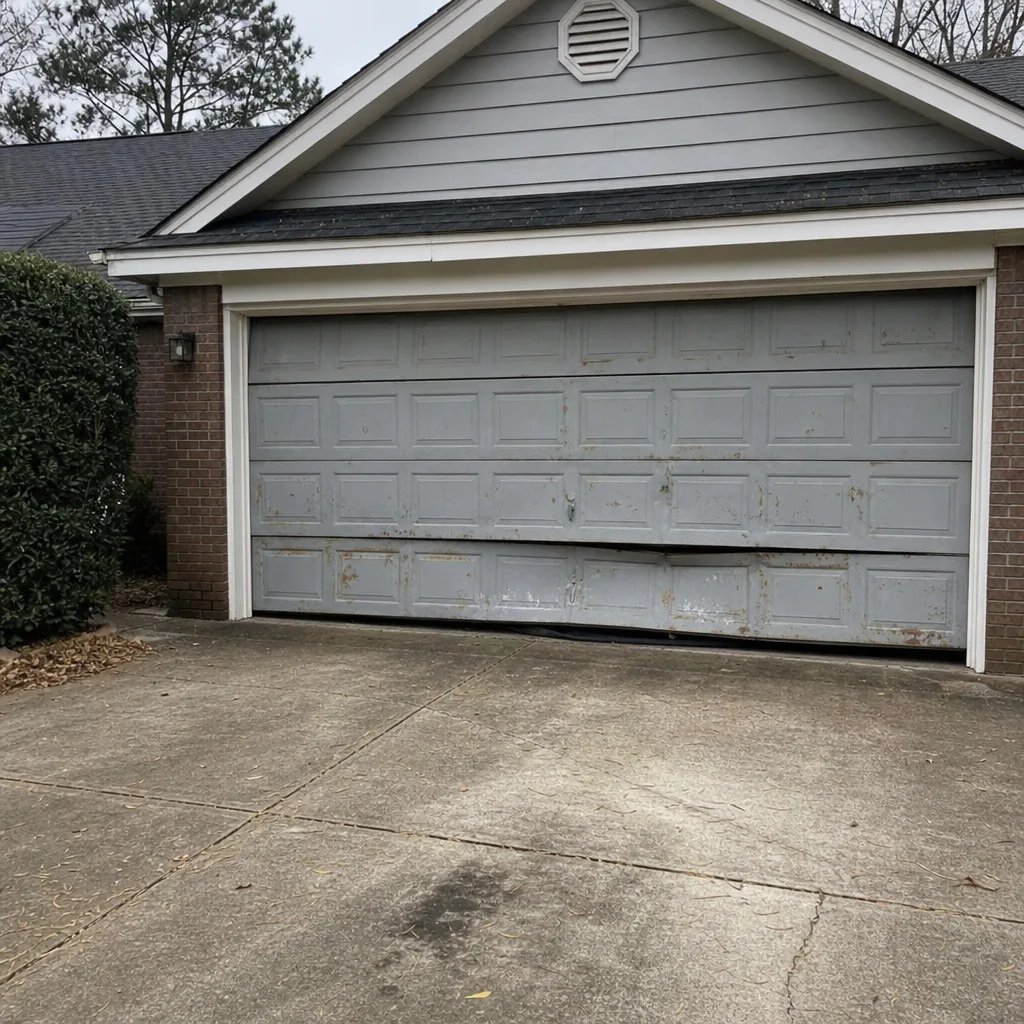 Before
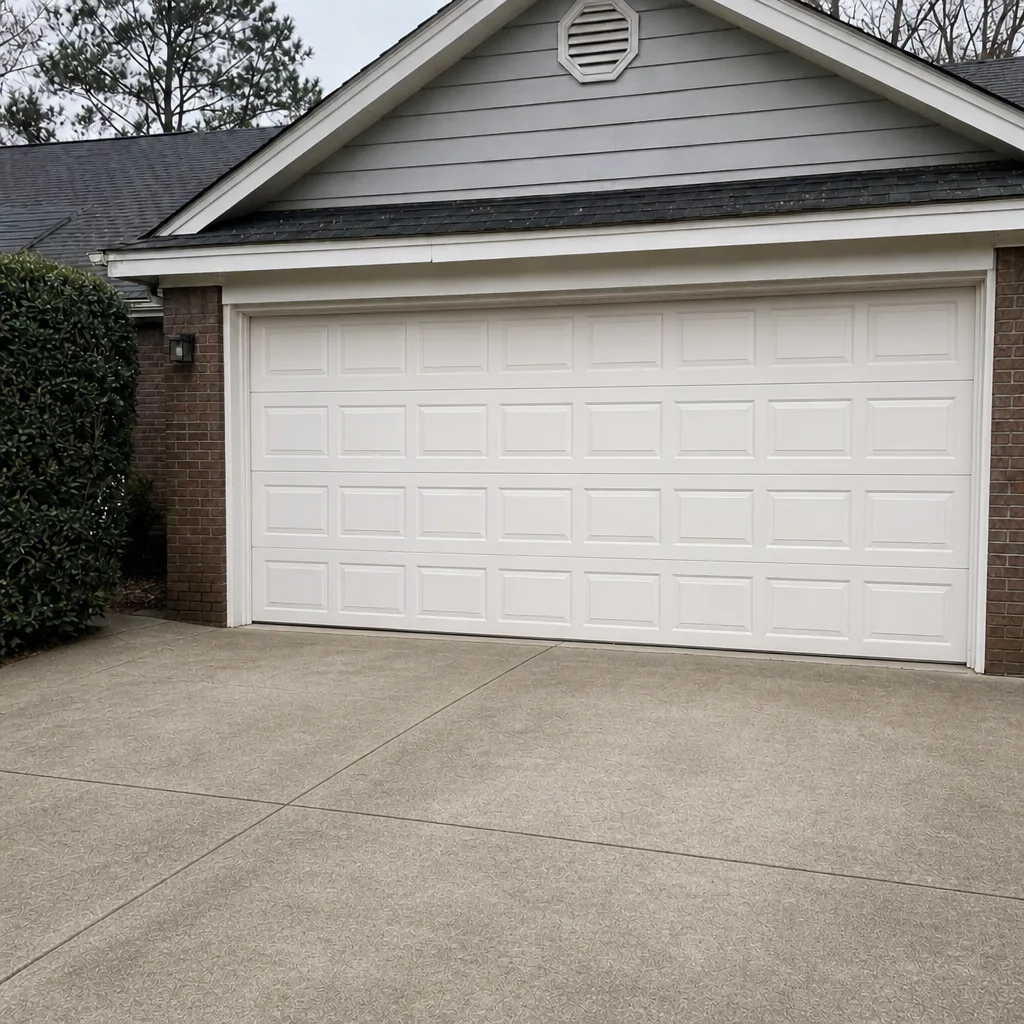 After
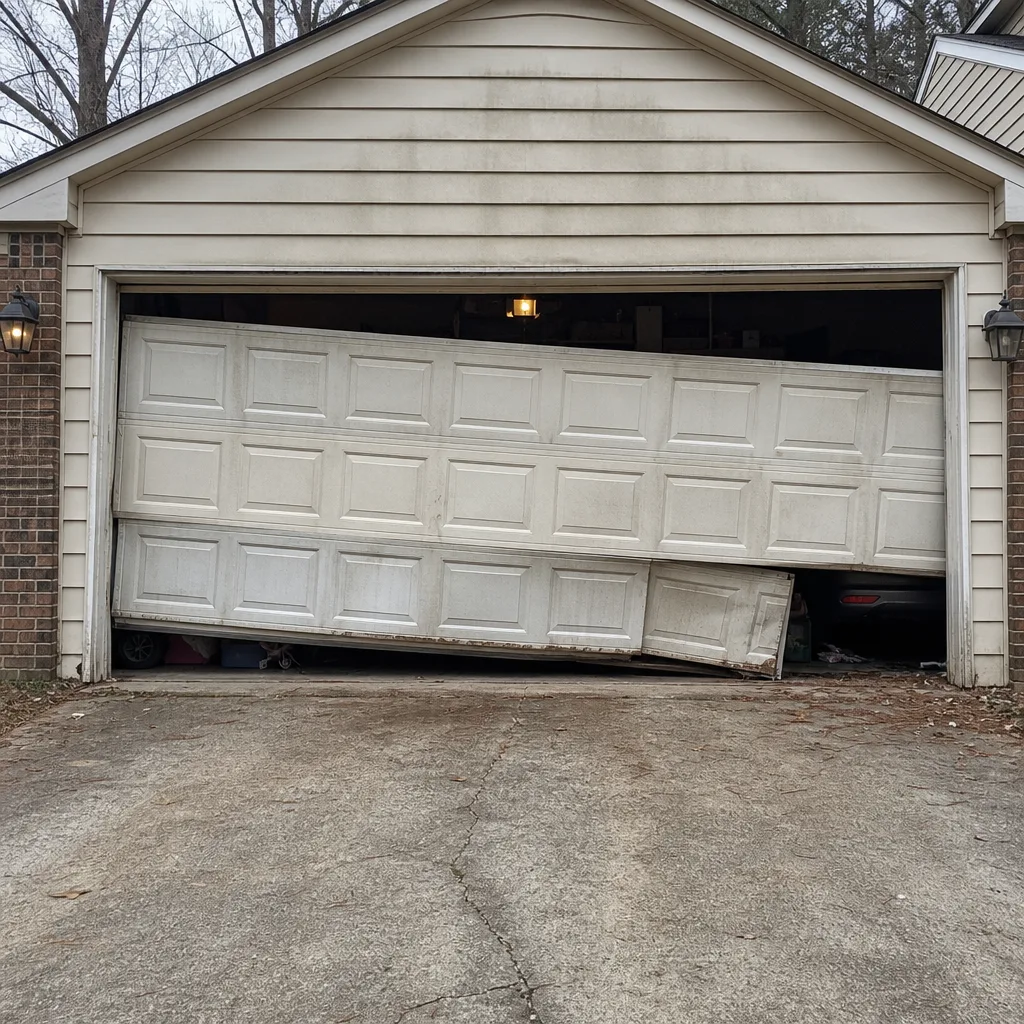 Before
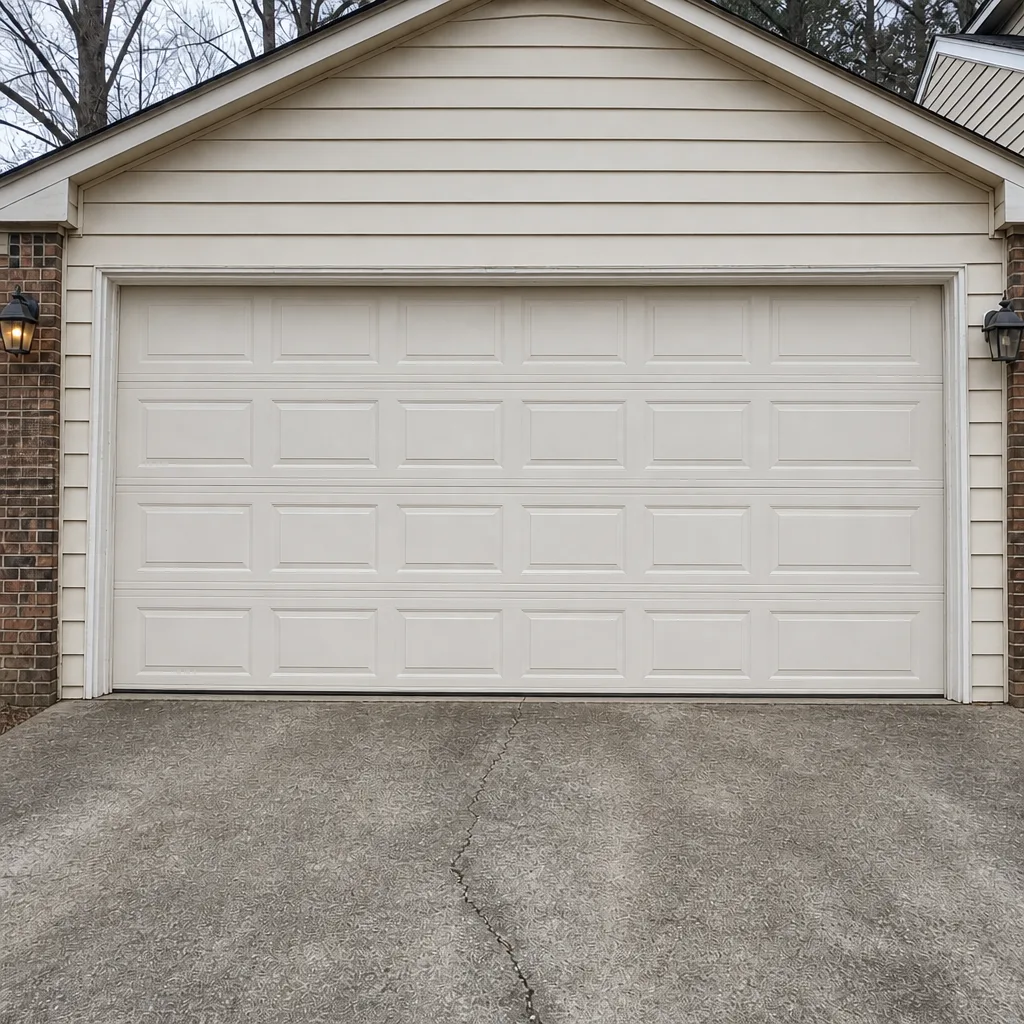 After
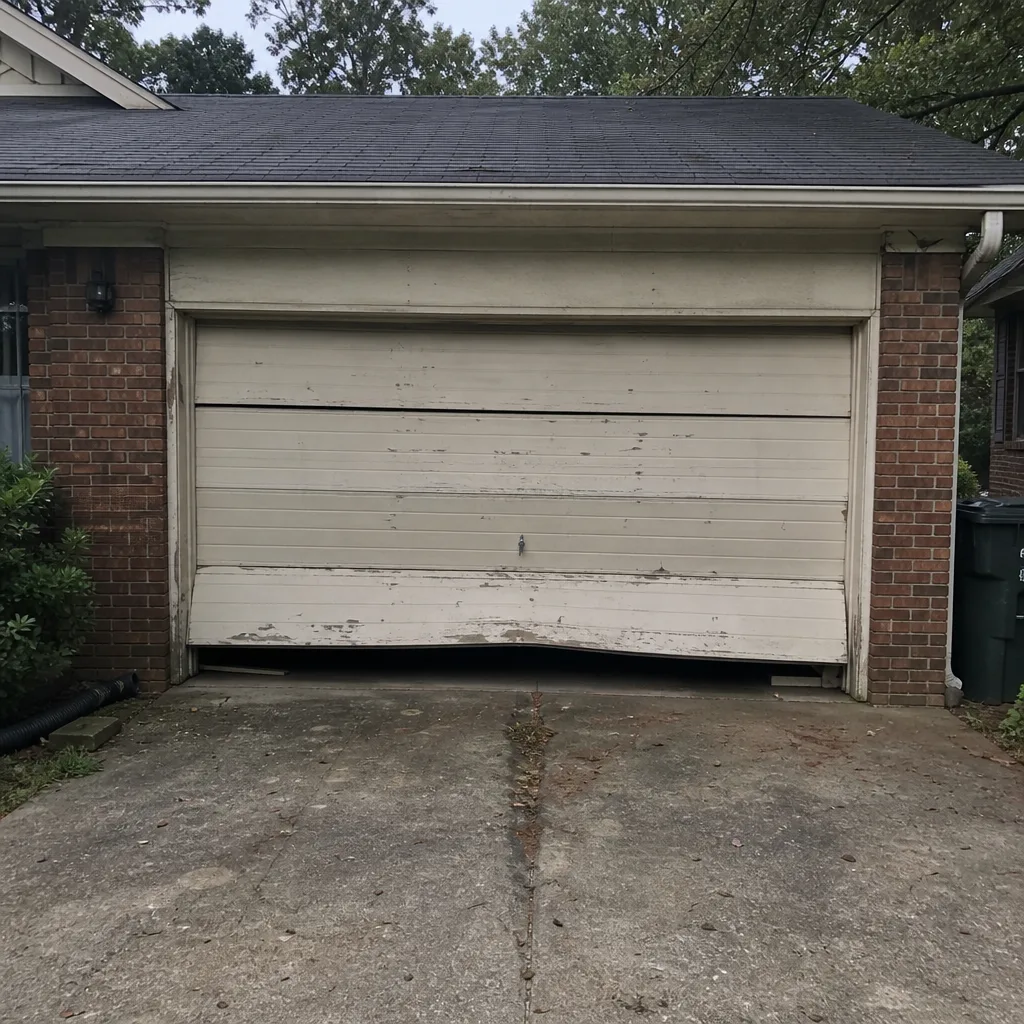 Before
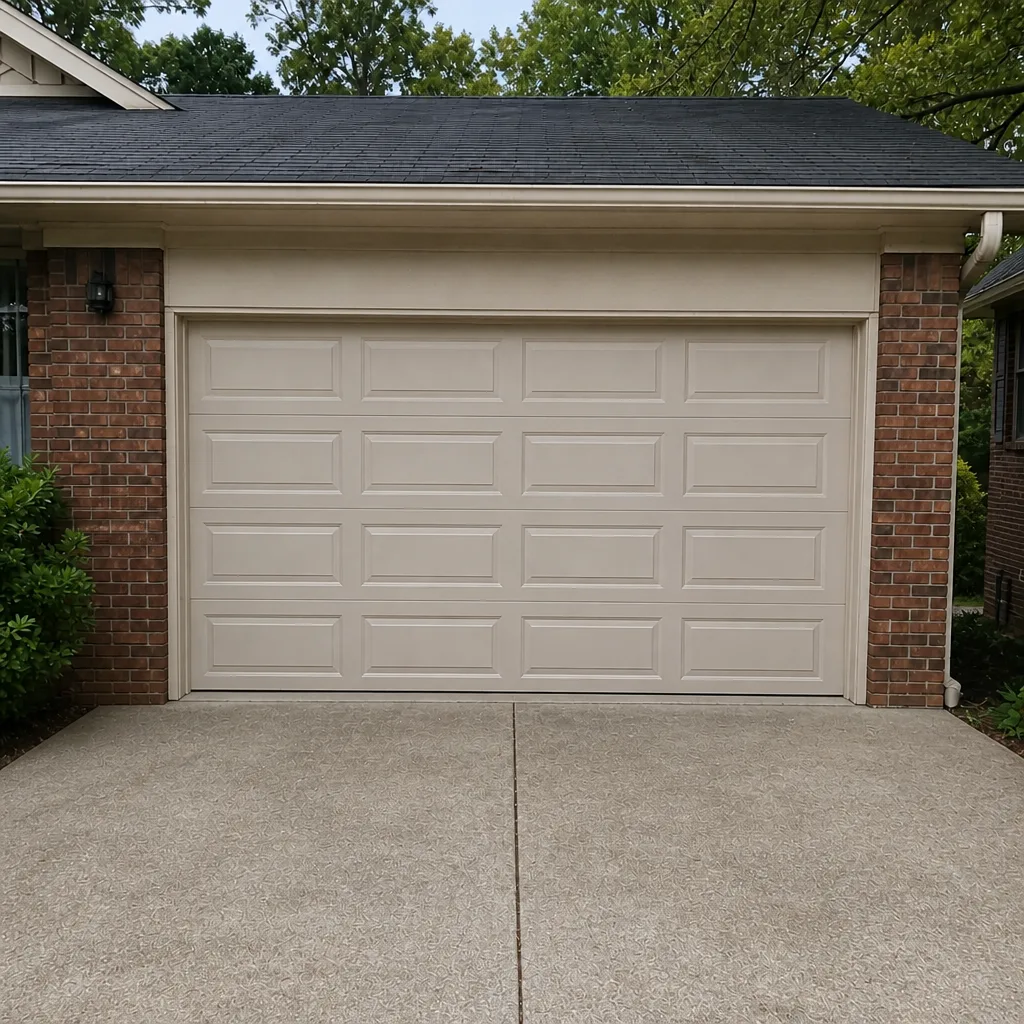 After
When to Call a Professional
Most of the calendar above is homeowner-level work. But several situations need a trained technician, and trying to handle them yourself is where injuries happen. Call a professional when:
- The door is out of balance – it doesn’t hold position when you lift it by hand.
- You see any spring that looks stretched, has visible gaps, or has broken.
- Any cable is frayed, kinked, or looks worn near the drums.
- The opener reverses for no reason, or won’t reverse when it should.
- A bottom bracket or hinge is loose or shows movement when you wiggle it.
- The door won’t seal evenly, or closes at an angle.
- You hear grinding or screeching that doesn’t go away after lubrication.
Sentry Garage Door Repair offers free estimates in South Fulton – call (833) 612-7942. We work on the full door system, so the door panel, the opener, and the installation are covered in one call. We work on the brand you already have – LiftMaster, Chamberlain, Genie, Craftsman, Clopay, Amarr, Wayne Dalton, and Raynor – which means our recommendation comes from what fits your home, not what a dealer agreement requires us to sell. We answer 24/7. Fast dispatch from 7am to 7pm.
Frequently Asked Questions
Twice a year in our climate: once in May before summer heat, and once in October after the fall clay cleanup. South Fulton’s humidity makes lubrication more about corrosion protection than about reduced friction, so the two-a-year cadence combined with a monthly wipe-down of the tracks keeps the hardware from rusting at the pivot points. In our experience the doors that fail from rust are the ones that skipped the May lubrication.
Because the opener’s force setting is calibrated too tight for the door’s cold-weather resistance. When temperatures drop to 40 or below, the door runs slightly heavier, and a force setting that was marginal in warm weather now reads that resistance as an obstruction. The safety reverse kicks in correctly – it’s meant to reverse on resistance. The fix is adjusting the close-force to the door’s actual measured resistance, never to defeat the safety function. Adjusting force is a technician’s job because it needs to be set against the door’s real resistance, not guessed. Call (833) 612-7942. We answer 24/7. Fast dispatch from 7am to 7pm.
It’s a tested rating in miles per hour, published by the manufacturer, that shows how much wind pressure the door is engineered to withstand. Your door’s rating is usually on a label on the inside face of the door panel or mounting frame, or in the original installation documentation, or by contacting the manufacturer with the door model number. If you can’t find it, the sensible step is a technician inspection before storm season – the anchoring and brackets matter as much as the rating itself.
No. Springs are under extreme tension and a wrong adjustment can cause serious injury or worse. This is the single most dangerous repair on a garage door and should always be handled by a trained technician. If your door is out of balance, doesn’t hold position when lifted by hand, or you see damage on a spring or cable, stop and call. For a free estimate in South Fulton, call (833) 612-7942.
The door-won’t-seal issue that peaks in July and August. South Fulton’s summer afternoon storms bring rapid air pressure drops that stress the weatherseal and bottom brackets, and the hot humid air softens the seal adhesive. Once the seal lifts, water gets in at the door bottom and starts corrosion. The fix is checking the bottom seal for light and the brackets for play once a month through summer, and calling a technician the moment either is compromised.
We handle the whole system: the door, the opener, and installation, under one call. Our technicians have up to 9 years of experience and work on all the leading brands – LiftMaster, Chamberlain, Genie, Craftsman door openers and Clopay, Amarr, Wayne Dalton, Raynor door panels. If the diagnosis touches both the door and the opener, that’s a single visit rather than a hand-off between companies. Call (833) 612-7942 for a free estimate.
The Bottom Line
South Fulton has its own seasonal stress pattern, and the year-round care that works here is not the same one that works in Minnesota. Two big pushes (May and October) plus a ten-minute monthly check keeps the door running through the year. Prioritize springs, cables, and bottom brackets to a trained technician. Keep the tracks dry and the hinges lubed. Watch the weatherseal through summer storms and calibrate the opener for cool nights before they arrive. Verify the wind-load rating before storm season and never disable the safety reverse. If the door sounds different, hangs heavy, or doesn’t seal, that’s the moment to call. A technician catches it as a small issue instead of a mid-season failure.
Call (833) 612-7942 for a free estimate. We answer 24/7. Fast dispatch from 7am to 7pm, Sunday through Friday. Whether the issue is the door, the opener, or a full installation, one call to Sentry Garage Door Repair covers it. If you’re searching for a specialist across South Fulton, we’re a straightforward call away.
Written by the team at Sentry Garage Door Repair.