
Last updated November 16, 2026
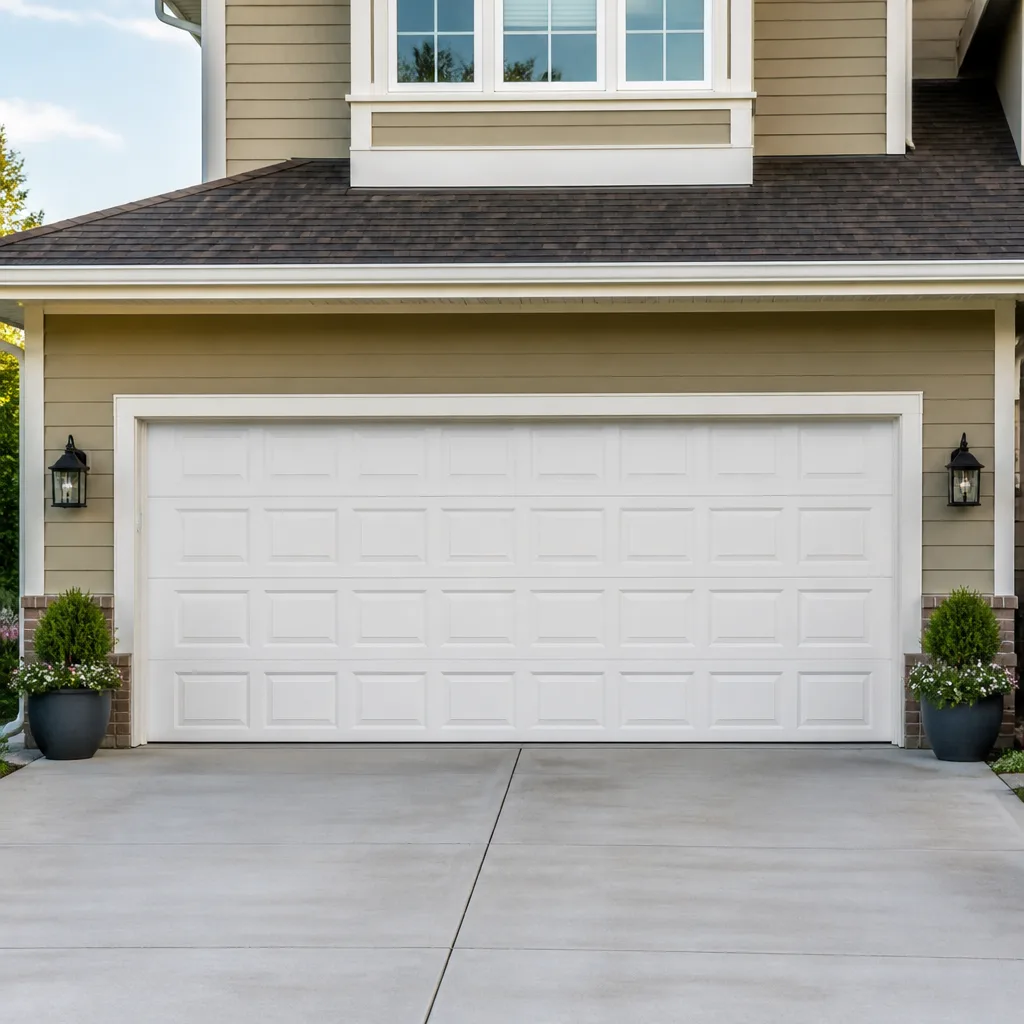 Raised-panel steel
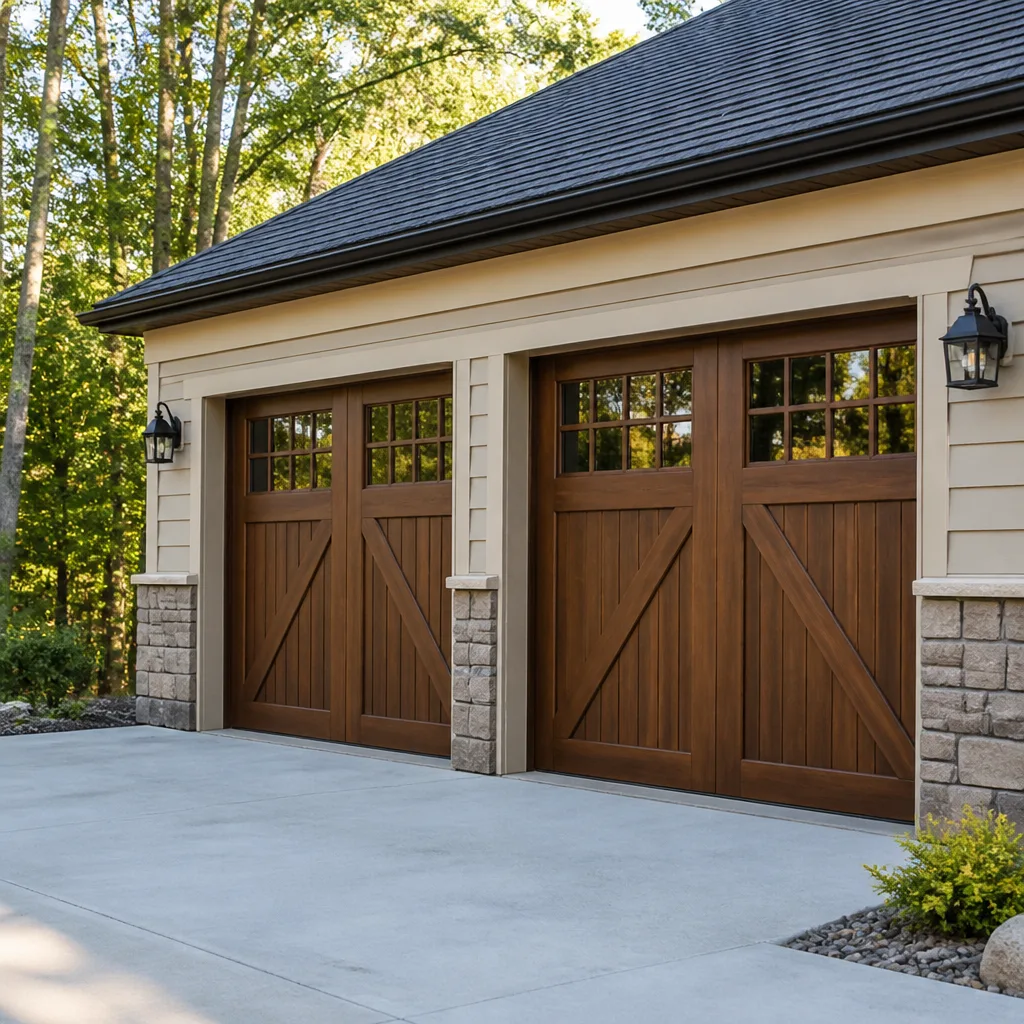 Carriage house
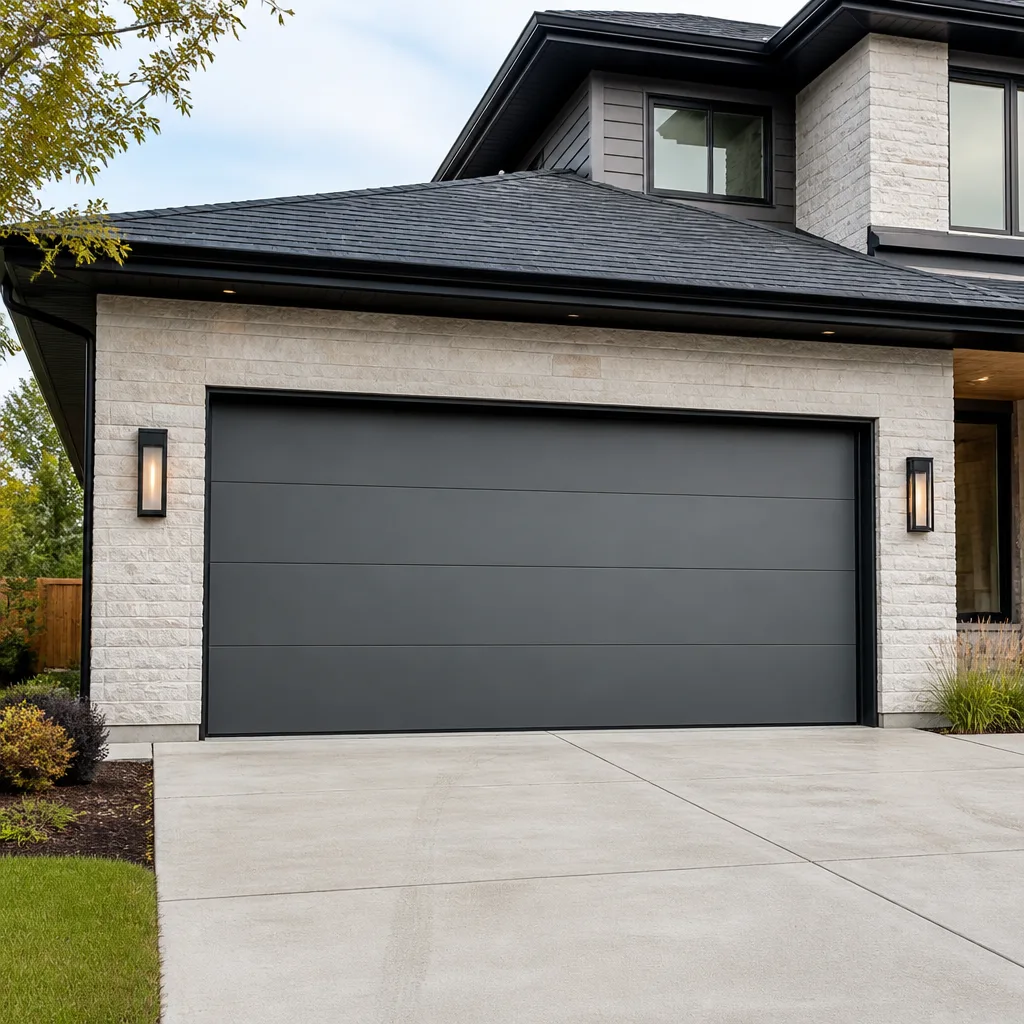 Modern flush
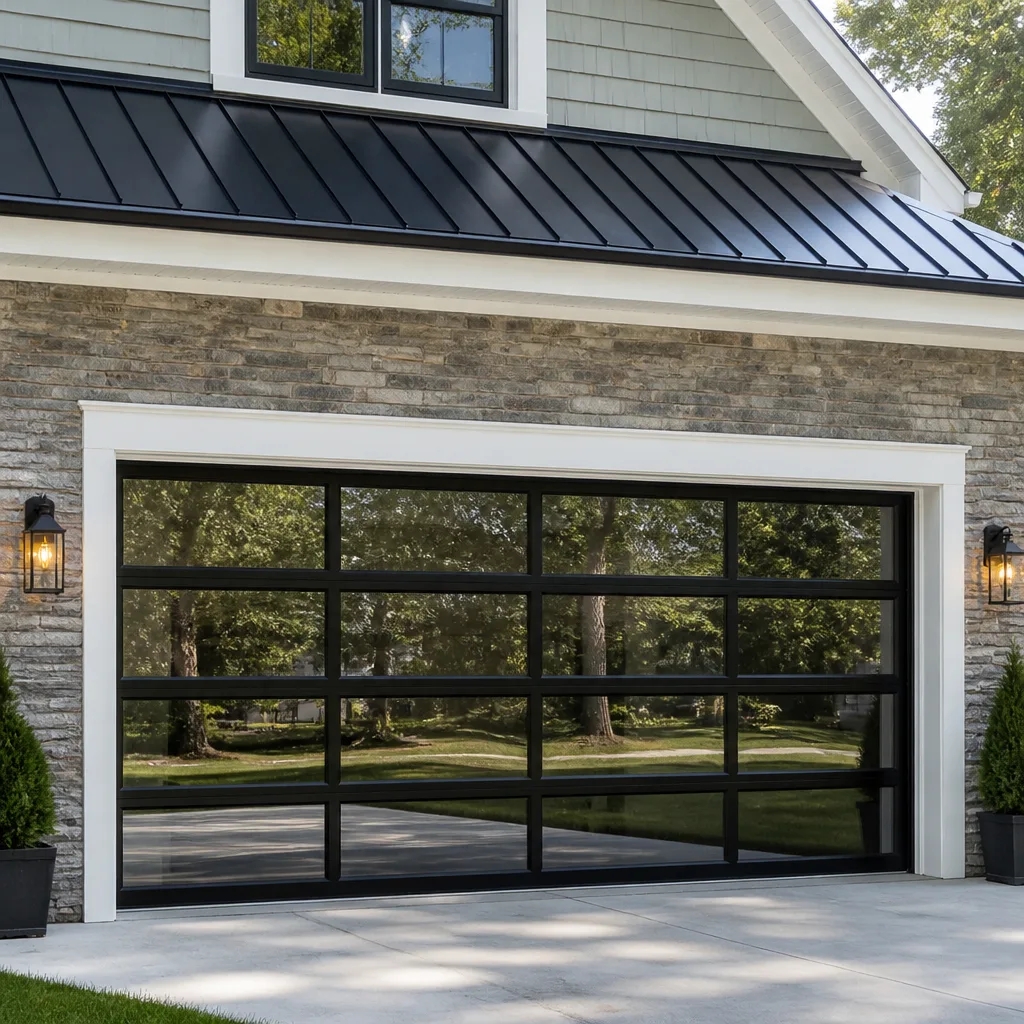 Full-view glass
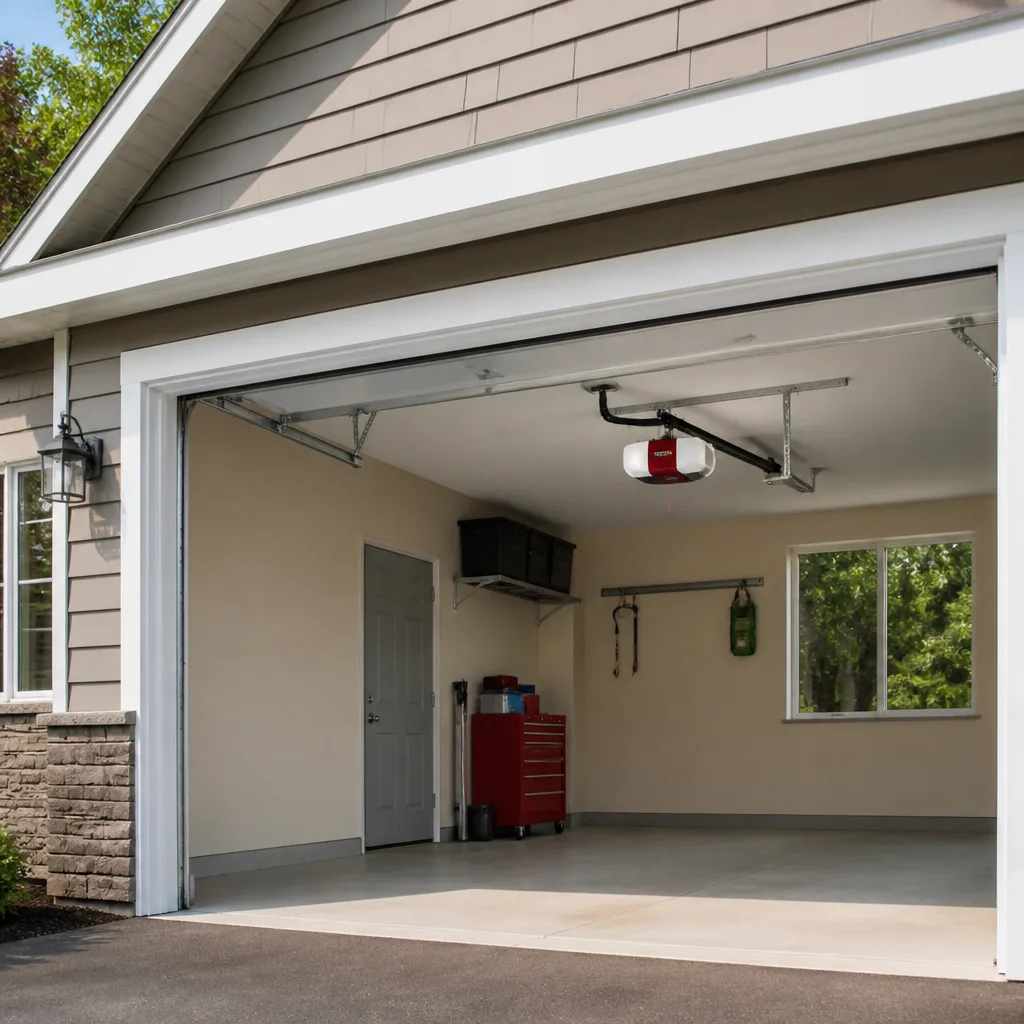 LiftMaster openers
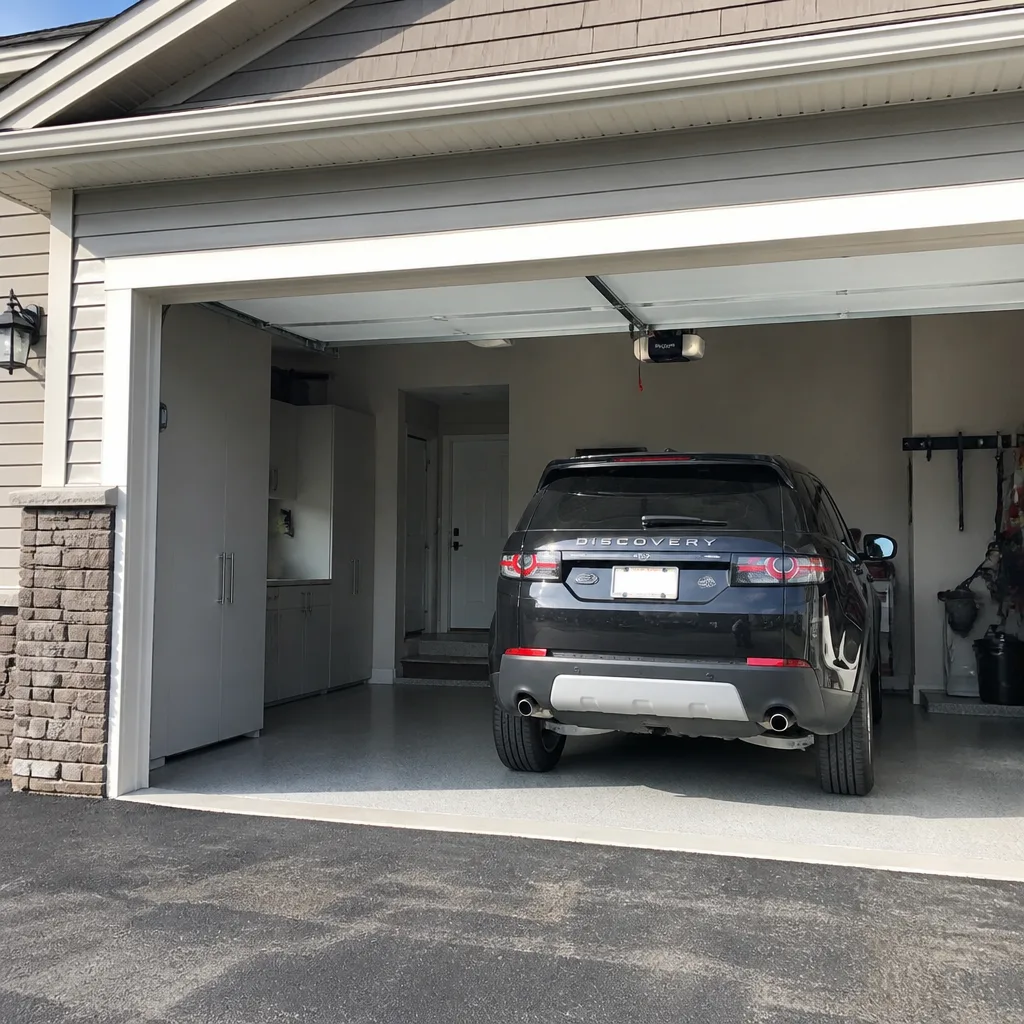 Chamberlain openers
Full 25-point door and opener safety check with every visit - springs, cables, rollers, tracks, and your LiftMaster or Chamberlain opener included
You get a price before we start. It does not change when the pro arrives.
Get your free estimateChoosing the Right Garage Door Brand: A Buyer’s Guide for South Fulton
Clopay, Amarr, and Wayne Dalton each make excellent doors and mediocre doors. The brand name on the panel tells you almost nothing about the quality of the specific model you’re being sold. That’s the uncomfortable truth most garage door shopping skips past. Marketers know it, and they use the brand like a halo, wrapping entry-level panels in the same vocabulary they use for the premium line. In this guide, we’ll teach you to read the specs that actually predict how long a door lasts, match materials to South Fulton’s heat and humidity, and understand what factory warranties really cover. You’ll finish able to compare a $900 door and a $2,200 door by what’s inside them, not by the logo.
Quick Answer
The right garage door brand for South Fulton is whichever one makes the specific model whose steel gauge, insulation R-value, section joint design, and bottom seal match your climate and budget. Brand reputation matters less than product line: an entry-level Clopay and a premium Clopay share a name but almost nothing else. Read specs and warranty terms on the actual model number, then choose the brand that supports that line with real factory warranty service.
Styles & brands we work with
- Raised-panel steel
- Carriage house
- Modern flush
- Full-view glass
- LiftMaster openers
- Chamberlain openers
Table of Contents
- Why Brand Names Hide a Huge Quality Range
- The Four Specs That Actually Predict Longevity
- Matching Door Material to South Fulton’s Summer Heat and Humidity
- How Door Brand Interacts With Opener Brand
- Factory Warranty vs. Dealer Warranty
- The Mid-Range Sweet Spot for South Fulton Homes
- How to Read a Garage Door Spec Sheet, Step by Step
- What Happens When the Brand You Chose Needs Repair
Why Brand Names Hide a Huge Quality Range
A national brand is a factory system, not a single door. Clopay, Amarr, and Wayne Dalton all run multiple product tiers under one logo, from builder-grade panels sold through big-box channels to premium insulated doors sold through authorized dealers. The word “commercial-grade steel” appears on the marketing for a 24-gauge entry door and a 25-gauge premium door alike. Those two doors cost very different amounts and last very different lengths of time.
This happens because garage door brands sell to several customer types at once. Builders want the cheapest code-compliant door. Homeowners replacing a worn door want something that looks good and opens quietly. Custom homes want architectural detail. One brand serves all three by making several product lines, and the marketing leans on whichever line is currently in front of you.
What that means for a South Fulton homeowner:
- The brand name is a starting filter, not a verdict. It tells you the company’s engineering culture and warranty reputation, not the quality of the panel in front of you.
- The model number and the spec sheet are where the decision lives. Ask for them in writing before you sign.
- A mid-tier door from a less famous brand can outperform an entry-level door from a household name. The logos don’t rank the panels.
We work on all eight of the industry’s leading door and opener brands – LiftMaster, Chamberlain, Genie, Clopay, Amarr, Wayne Dalton, Craftsman, and Raynor – and we see the pattern constantly. Two doors with the same name on the sticker, ten years apart in how they age. The difference is always in the model, not the badge.
The Four Specs That Actually Predict Longevity
Four numbers on a spec sheet tell you more about how a door will hold up than any brand claim. Learn these and you can compare any two doors on the market.
- Steel gauge. Lower numbers are thicker. Residential doors commonly run 24-gauge on entry lines and 25-gauge on premium lines. The difference sounds tiny but shows up in dent resistance and how well the panel holds its shape over years of cycles in a hot attic-facing wall.
- Insulation R-value and type. CFC-free polyurethane foam holds a much higher R-value per inch than polystyrene bead board, and it stays bonded to the panel. Polystyrene is cheaper and lighter on insulation. For South Fulton’s long summers, a higher R-value door slows heat transfer into an attached garage that shares a wall with the house.
- Section joint design. Look at how the horizontal sections meet. A good joint overlaps to resist wind and water; a shallow tongue-and-groove with a thin seal admits both. Ask how the sections are reinforced against wind load, not just how they look.
- Bottom seal type. A hollow vinyl bulb seal wears and flattens faster than a reinforced U-shaped or T-shaped seal. The bottom seal is your first line against water driving in under the door during heavy rain, which matters in South Fulton’s summer storm pattern.
Add the warranty length on each of these components – panels, hardware, and finish are often warranted separately – and you have a real comparison. A door with a strong panel warranty and polyurethane insulation usually beats a name-brand door with a thin gauge and polystyrene, whatever the showroom sign says.
Matching Door Material to South Fulton’s Summer Heat and Humidity
South Fulton summers run hot and humid, and the garage is often the hottest room on the property. An attached garage shares at least one wall with the house, so heat soaking into an uninsulated or thin-steel door pushes through that wall into living space. The right material choice is a climate decision as much as a style one.
How the main options behave here:
- Insulated steel with polyurethane core. The best all-around choice for South Fulton. It resists heat transfer, holds its finish through humid summers, and doesn’t swell or need refinishing. Higher R-value pays off most on doors facing the afternoon sun.
- Uninsulated steel. Cheaper and fine for a detached, unconditioned garage. On an attached garage, it radiates heat and can sweat on humid afternoons.
- Wood and wood-composite. Beautiful and heavy, but wood moves with humidity. In South Fulton’s swings between damp spring and hot summer, wood doors need more frequent refinishing and can swell against their seals. Wood-composite (engineered) doors handle humidity better than solid wood but still need upkeep.
- Aluminum and glass. Great for modern curb appeal and natural light, weaker on insulation unless you pay for insulated glass. In a hot climate, uninsulated glass panels turn the garage into an oven.
The climate logic applies across brands. A polyurethane-insulated steel door from Amarr and one from Clopay face the same South Fulton sun on the same wall. Your job is to make sure the model you’re quoted actually carries that insulation and that the R-value is stated on paper, not just called “insulated” in a brochure.
How Door Brand Interacts With Opener Brand
The door and the opener are two systems that have to cooperate. The door’s weight, balance, and safety-reverse behavior depend on how the opener is set up. The opener’s brand shapes what smart features you get and how easily parts are found later. Most door brands are neutral on openers, but in practice the major openers – LiftMaster, Chamberlain, Genie, Craftsman – set the ecosystem.
For smart-home integration, the important split is between traditional radio-frequency openers and Wi-Fi/smart-connected models:
- LiftMaster and Chamberlain (MyQ). MyQ is the most widely integrated smart platform, working with common home hubs and phone apps for open/close alerts and remote control.
- Genie Aladdin Connect. A solid smart option with its own app ecosystem, useful if the rest of your smart setup leans Genie.
- Craftsman. Often built on the same legacy radio systems, worth checking for compatibility when a smart module is added.
- Raynor. A door brand that also makes openers; a good match if you want a single-vendor system and the door line fits your spec.
Our take: choose the door for its panel specs and the opener for its ecosystem and serviceability. Because we service both, we can tell you whether a smart opener will behave with the door you’ve picked before you buy either. If your current opener is the weak link, our garage door opener repair team can often fix the unit rather than replace it, and we’ll say so when replacement is the better call.
Factory Warranty vs. Dealer Warranty
A factory warranty is only as good as the manufacturer’s willingness to honor it, and that is where brand support separates from brand marketing. Language in a brochure promising “lifetime” coverage means little if the manufacturer processes claims through an authorized dealer network that’s thin in your area. A brand with a strong factory service reputation, even a plain warranty, beats a brand with an aggressive local dealer promise that depends on one dealer staying open.
What factory warranties typically cover, in general terms:
- Panels and section integrity. Often the longest term, sometimes a lifetime on premium lines.
- Hardware, springs, and moving parts. Usually a shorter, separate term. Read the spring clause specifically.
- Finish and paint. Often warranted against peeling or cracking for a set number of years.
Dealer warranties are a different animal. They may cover labor, adjustments, or workmanship, and they depend entirely on the dealer. That’s fine as an add-on, but it shouldn’t be the reason you choose a door. When you’re comparing brands, ask for the actual written warranty documents for the specific model, not the showroom summary. The model number on the warranty page should match the model number on your quote. In South Fulton, where summer storms test seals and hardware, how seriously the manufacturer treats claims matters more than a local promise that might evaporate.
The Mid-Range Sweet Spot for South Fulton Homes
Across the major brands, the best performance-to-cost ratio for a typical South Fulton home sits in the middle of the product lineup, not the top or the bottom. The specific tier varies by brand, but the pattern holds:
- Entry-level. Thin steel or uninsulated panels, builder-grade hardware, shorter warranties. Fine for a detached shed or a flip, weak for an attached garage you use every day.
- Mid-range. 25-gauge steel, CFC-free polyurethane insulation with a real R-value, reinforced section joints, a reinforced bottom seal, and a panel warranty in the multi-decade range. This is the sweet spot for South Fulton’s heat and humidity and for the daily open-close rhythm of a working family.
- Premium. Higher R-values, better finishes, custom sizing and windows. Worth it for curb appeal or specific architectural goals, but the longevity gain over mid-range flattens while the price climbs.
The mid-range tier is where the four specs we listed all clear their thresholds at once. You get the insulation that matters in South Fulton’s summer, the gauge that resists denting, and the hardware that lasts, without paying for the custom window package. Ask any brand’s dealer to show you the mid-tier model’s spec sheet and the warranty for that exact model, and the comparison becomes clear.
How to Read a Garage Door Spec Sheet, Step by Step
Bring this sequence to any showroom or quote. It works on any brand.
- Get the model number and the spec sheet in writing. Not a brochure, the actual model spec sheet. The name on the door is not enough.
- Find the steel gauge. Note it. Lower is thicker. Compare every door you’re quoted at the same gauge.
- Find the insulation type and R-value. Confirm polyurethane vs. polystyrene, and that a specific R-value is listed.
- Look at the section joint. Ask how sections are reinforced for wind load and how the joints seal.
- Check the bottom seal construction. Reinforced seal vs. hollow bulb.
- Pull the warranty documents for that model. Compare panel, hardware, and finish terms separately.
- Ask who services the brand locally. Confirm a service path exists for repair and parts, not just purchase.
If a seller can’t answer these, that’s your answer. When you’re ready, we can help you compare what fits your house – start with our garage door repair and installation team, who see how these models actually age across South Fulton.
What Happens When the Brand You Chose Needs Repair
The best door brand is the one you can get serviced. Springs break, panels get dented, openers fail, and the moment you need a part or a technician, brand support becomes concrete. That’s why we treat the brand question as a full-system question: the door panel, the opener, and the installation should all be covered by people who know the actual system, not a guess.
Our technicians have up to 9 years of experience across all eight leading brands, so we diagnose by what’s on the door rather than by what a dealer agreement wants us to sell. There’s no dealer relationship steering our recommendation toward one manufacturer. If your door and opener come from different brands, that’s normal and we can work on both. If they’re the same, even better for parts and setup.
Where brand support shows up most:
- Parts availability. Major brands keep hardware, springs, and opener components in circulation. A door from a brand with thin local support can strand you waiting on a part.
- Smart-opener troubleshooting. LiftMaster, Chamberlain, Genie, and Craftsman have different radio and app behaviors. Diagnosing them is a distinct skill from hanging a door.
- Installation correctness. A door that was never set up right to begin with will fail sooner regardless of brand. Correct installation is the warranty’s silent partner.
If you’re in South Fulton and weighing a repair against a replacement, our team can look at the door you already have and tell you what it’s worth saving. For the fuller picture of the area we serve, see South Fulton.
Common Mistakes to Avoid
- Buying the logo, not the model. Assuming a famous brand means a quality door. The name spans an entry panel and a premium panel; check the exact model.
- Trusting “commercial-grade steel” without a gauge. The phrase shows up on thin 24-gauge and premium 25-gauge doors alike. Ask for the number.
- Choosing uninsulated steel for an attached garage in South Fulton. It heats the shared wall all summer and can sweat in high humidity. Insulate if the garage touches the house.
- Ignoring the bottom seal and section joints. These are the leak and wind points in South Fulton’s storm season. Cheapest place to lose performance.
- Picking an opener for the door’s brand alone. Choose the opener for its ecosystem and smart integration; a great door with a mismatched smart setup frustrates you daily.
- Relying on a dealer’s verbal warranty. Get the written manufacturer warranty for the specific model, with the model number on the page.
- Skipping the service question. A brand you can’t get parts for locally turns a routine repair into a long wait.
See the difference
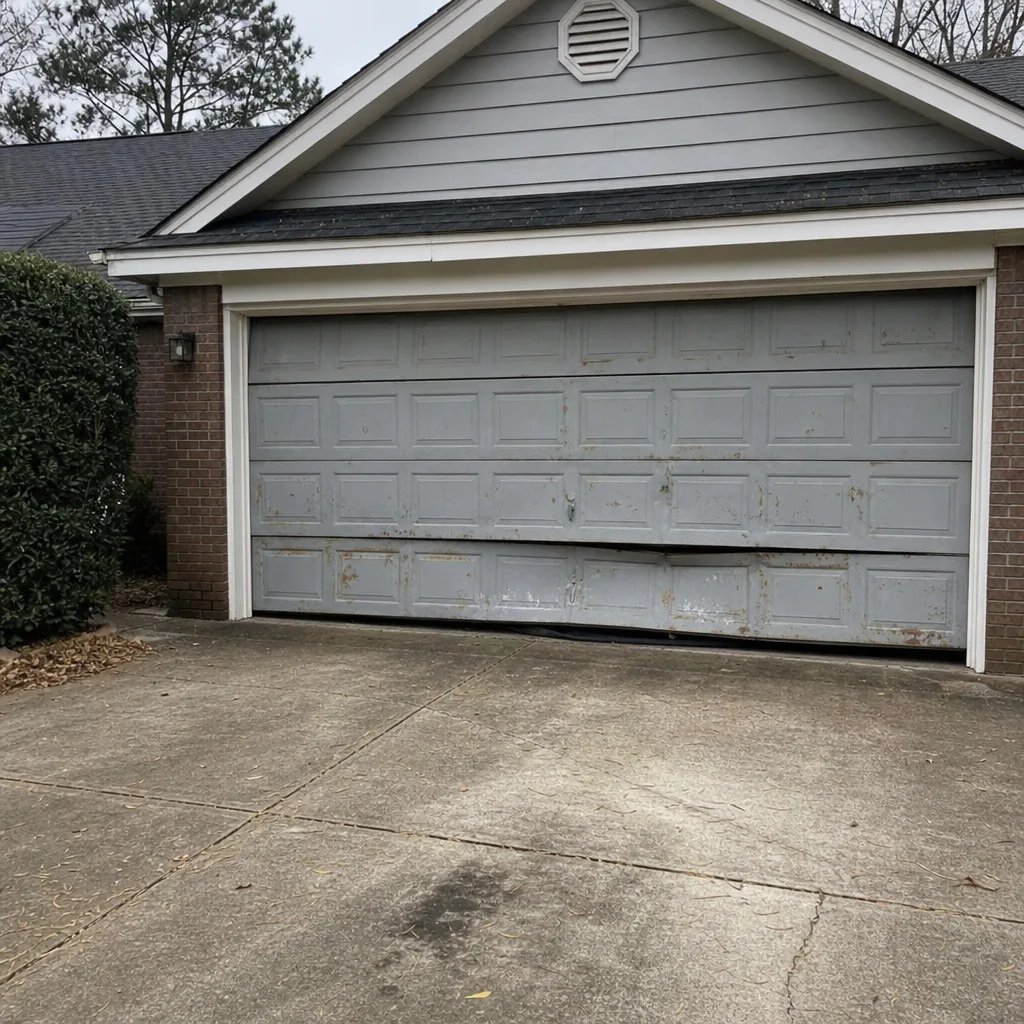 Before
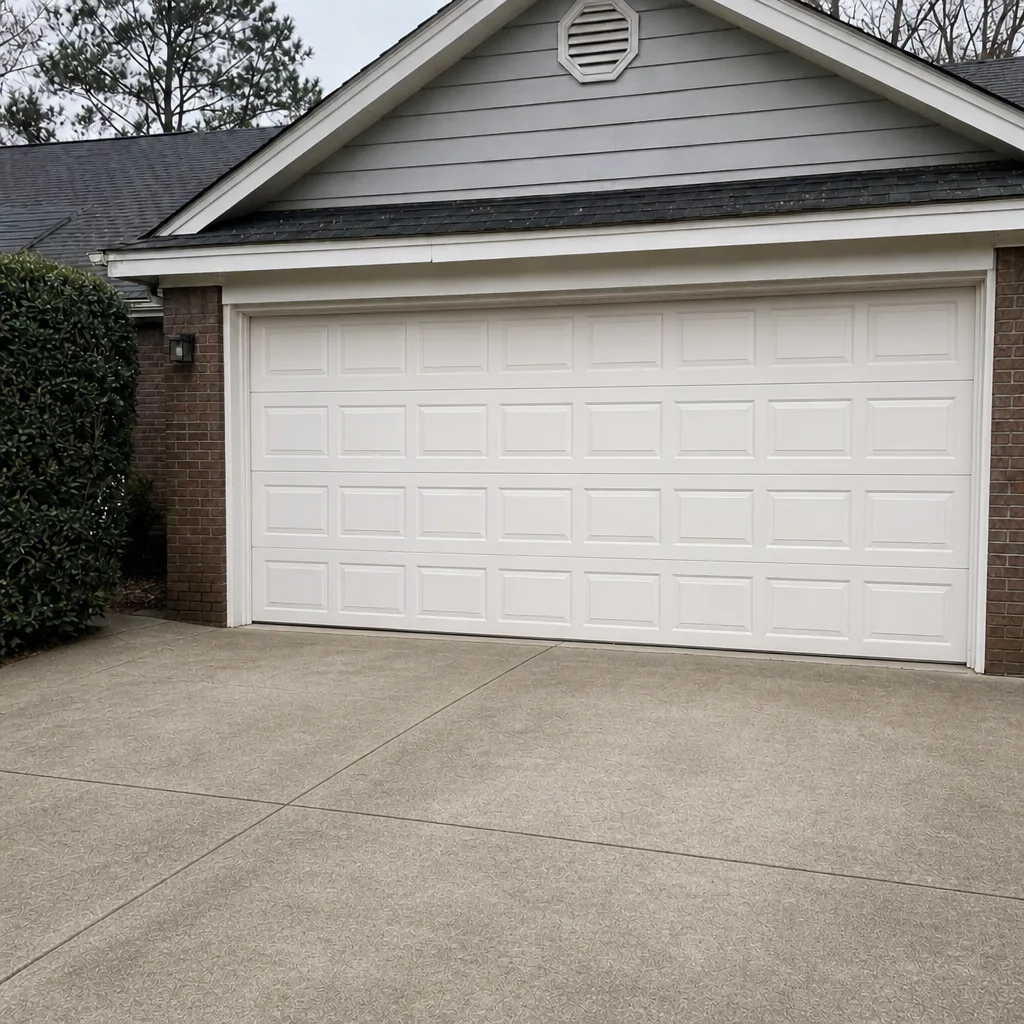 After
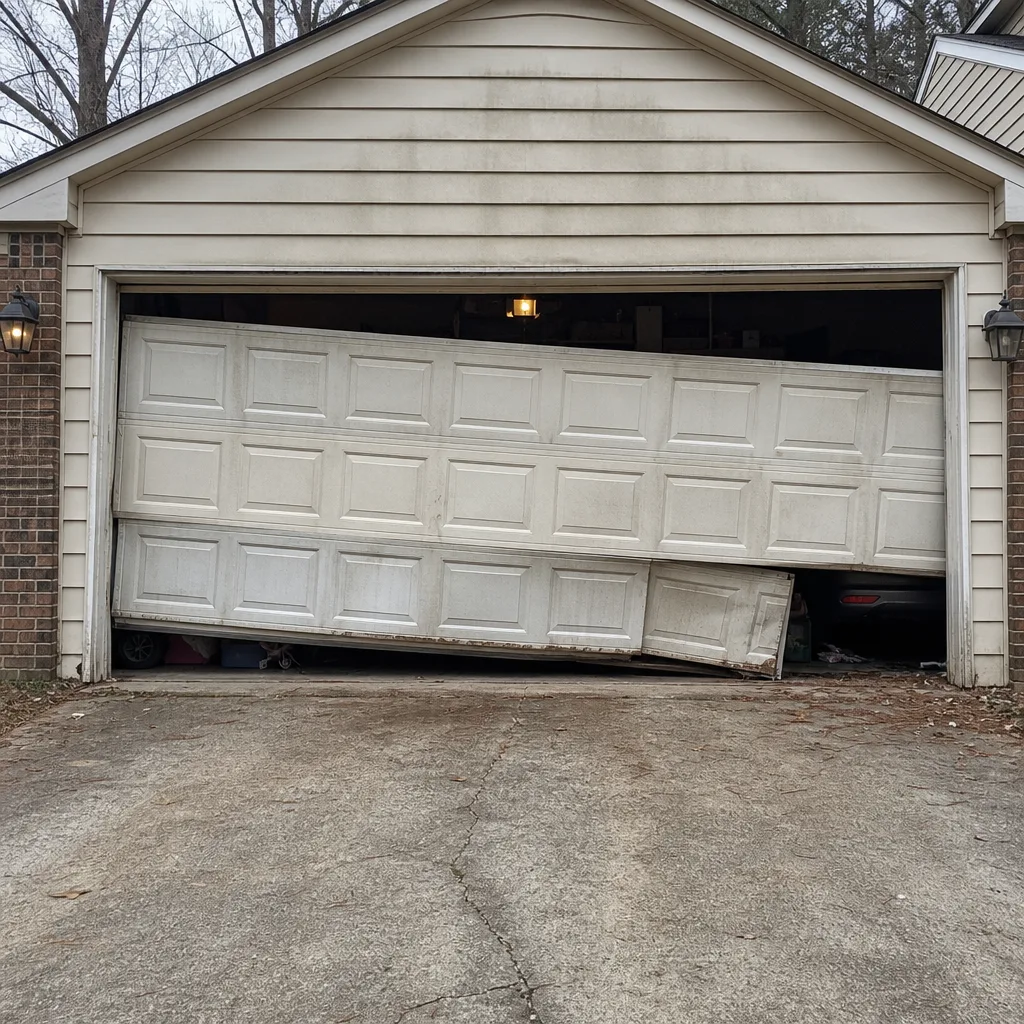 Before
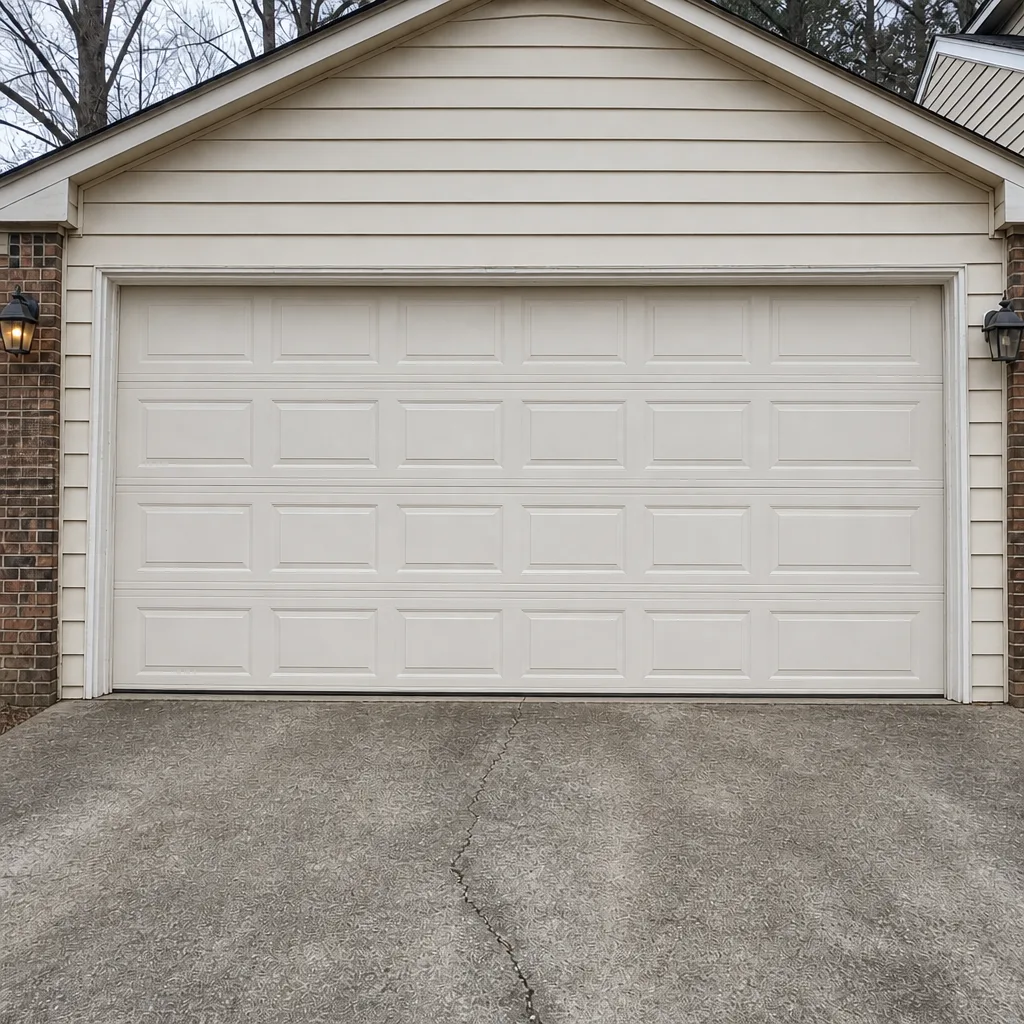 After
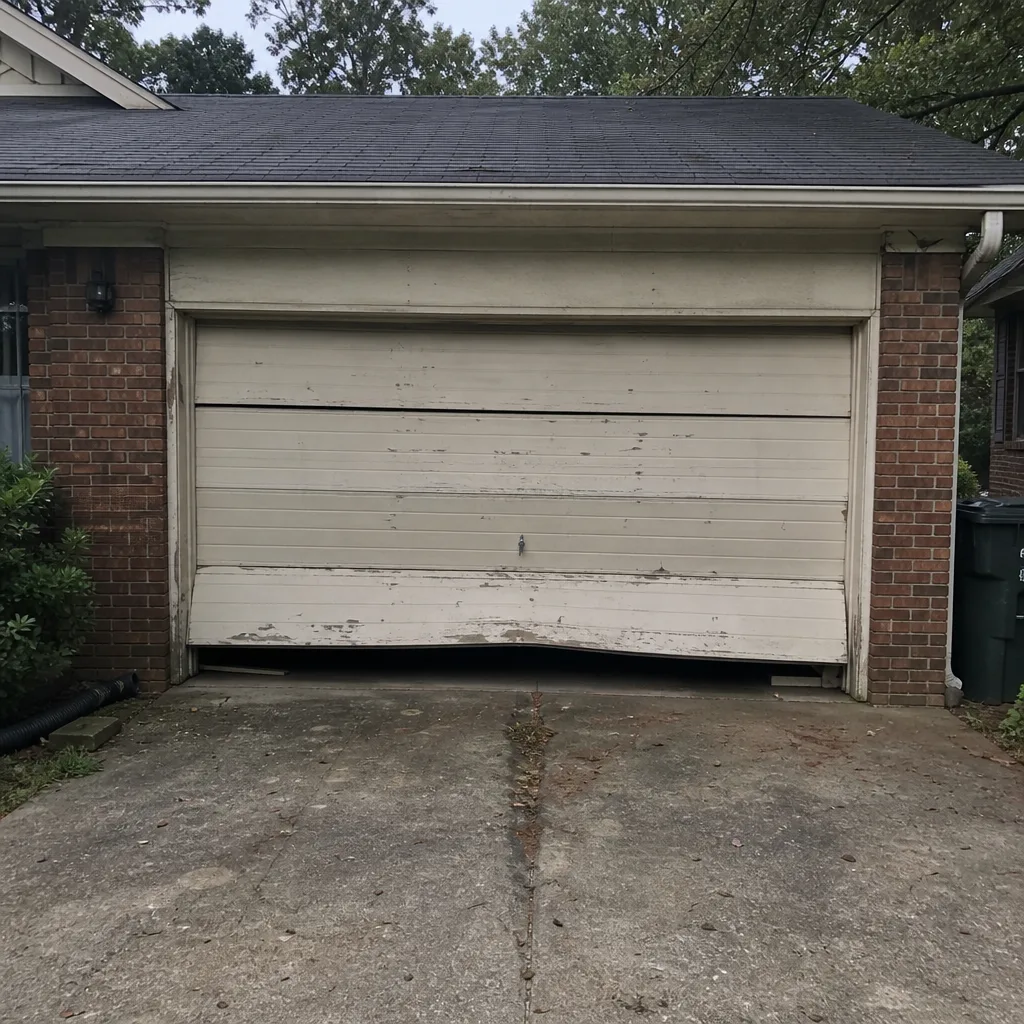 Before
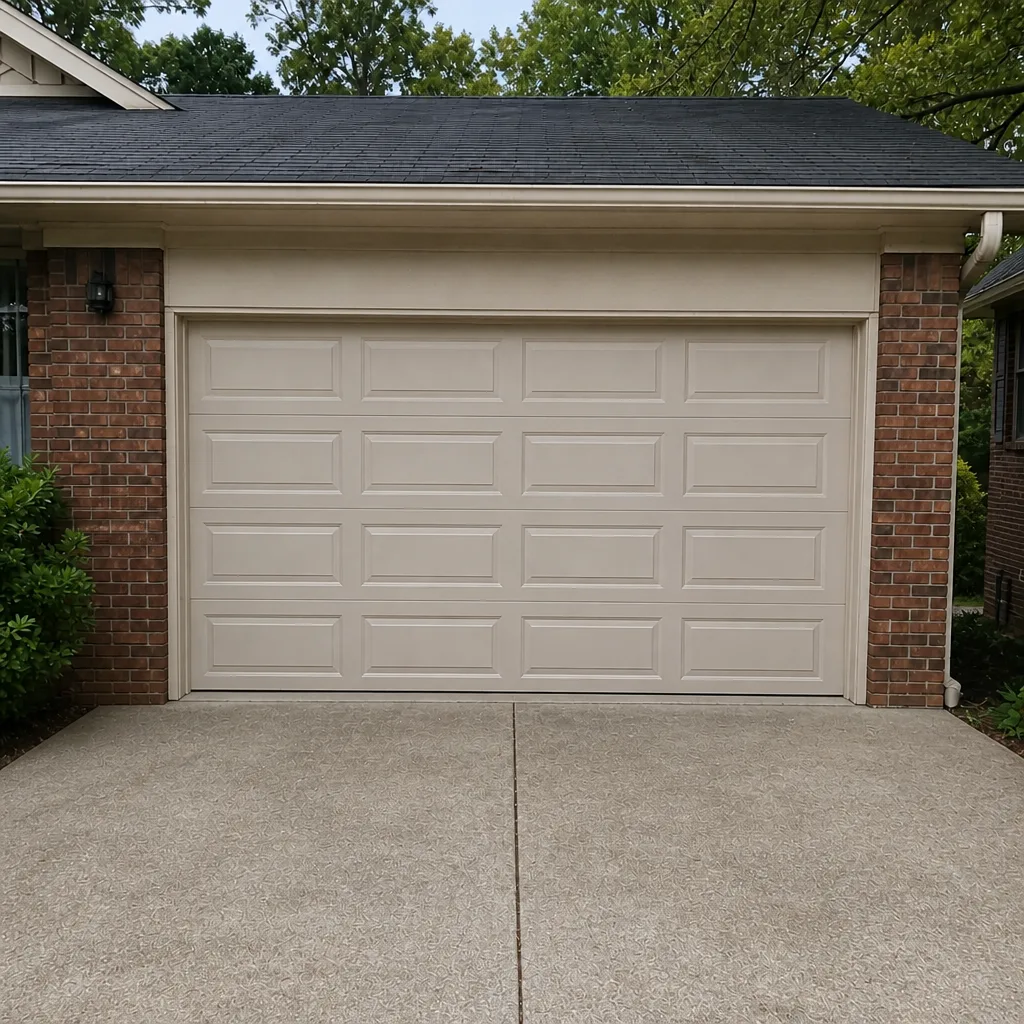 After
When to Call a Professional
Call a professional when the door goes beyond cosmetic choices. High-tension springs and the cables they’re attached to are under extreme load and are genuinely dangerous to handle without training – do not try to adjust or replace them yourself. The same goes for opener wiring tied into your home’s electrical system, and for a door that has jumped its tracks or is sagging on one side. If the door is out of balance, opening unevenly, or the safety reverse isn’t working, stop operating it and get it looked at. Sentry Garage Door Repair offers free estimates in South Fulton – call (833) 612-7942. We answer 24/7, with fast dispatch from 7am to 7pm Sunday through Friday, and the price is quoted and agreed before any work starts.
Frequently Asked Questions
There isn’t one best brand – what matters is the model’s insulation and steel gauge. For South Fulton’s hot, humid summers, an insulated steel door with a CFC-free polyurethane core and 25-gauge panels performs best on an attached garage. Confirm the R-value and gauge on the specific model’s spec sheet rather than trusting the brand name.
No single one wins outright, because each makes both excellent and entry-level doors. Compare the specific model’s steel gauge, insulation type and R-value, section joints, bottom seal, and warranty. A mid-tier door from any of the three can beat a premium-labeled door from another if the specs are better.
It’s a marketing phrase, not a spec. The same wording is used on 24-gauge entry doors and 25-gauge premium doors. Ask for the gauge number and the insulation R-value instead; those are the measurements that predict how long the door lasts.
No. Door brands are largely neutral on openers. Choose the opener for its ecosystem and smart-home features – MyQ on LiftMaster and Chamberlain, or Genie Aladdin Connect, for example – and the door for its panel specs. We service both, so we can check compatibility before you buy.
Choose CFC-free polyurethane for a South Fulton attached garage. Polyurethane holds a higher R-value per inch than polystyrene bead board and stays bonded to the panel, which slows summer heat transfer better. Polystyrene is a reasonable budget pick for a detached or unconditioned garage.
A brand with strong factory parts and warranty support makes repairs easier. Major brands keep hardware, springs, and opener components in circulation. If a brand has thin local support, a routine repair can mean a long wait for parts. Call (833) 612-7942 for an exact quote – estimates are free.
The Bottom Line
Brand names on garage doors are a starting filter, not a verdict. Clopay, Amarr, and Wayne Dalton each make doors worth owning and doors worth skipping, and the difference shows up in the spec sheet, not the showroom sign. Read the steel gauge, insulation type and R-value, section joint design, and bottom seal, then compare the written factory warranty for the exact model. For South Fulton’s heat and humidity, the mid-range insulated steel tier is the smart buy on an attached garage. An expert can work on whatever brand you already have, so pick the model that fits your house, then have a specialist confirm the install and setup are right.
Ready to compare doors or figure out whether your current one is worth repairing? Call Sentry Garage Door Repair at (833) 612-7942 for a free estimate. We answer 24/7. Fast dispatch from 7am to 7pm, Sunday through Friday, and the price is agreed before we start.
Written by the team at Sentry Garage Door Repair.