
Last updated November 16, 2026
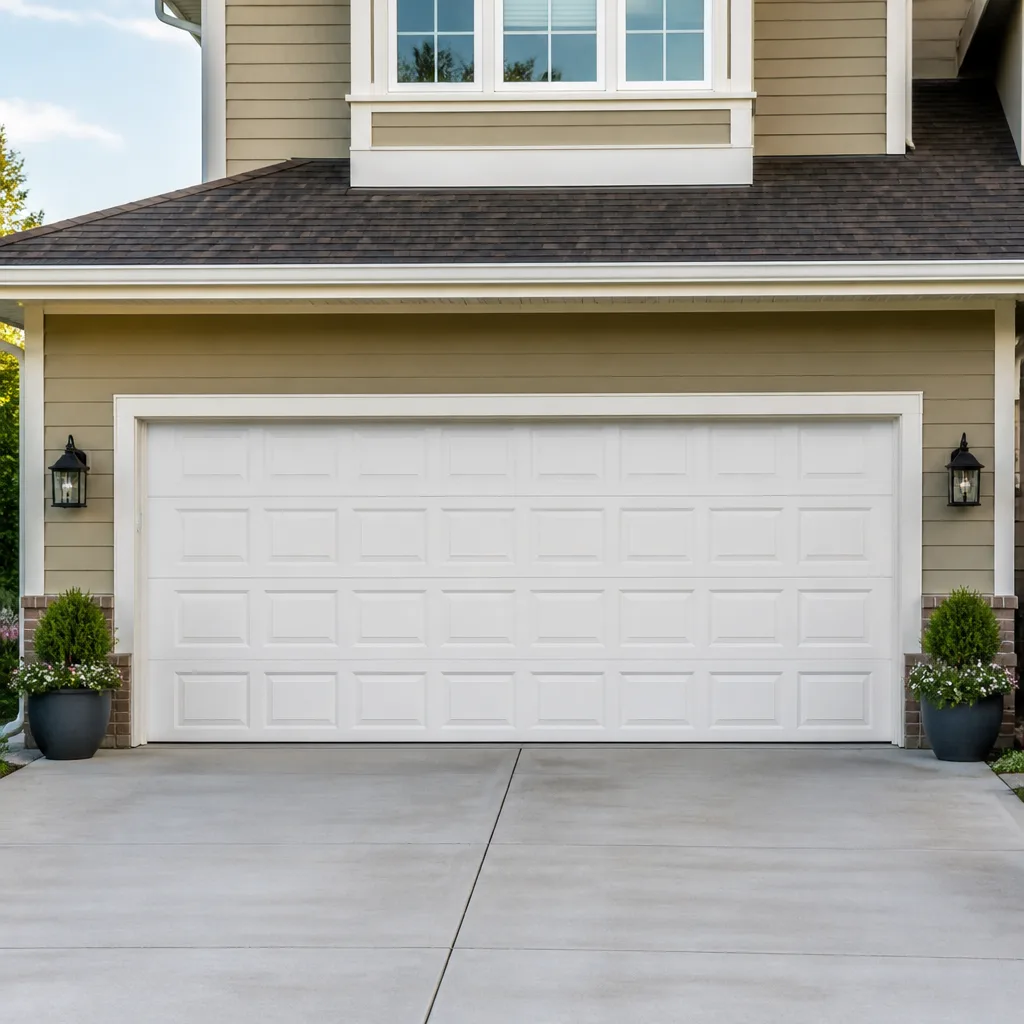 Raised-panel steel
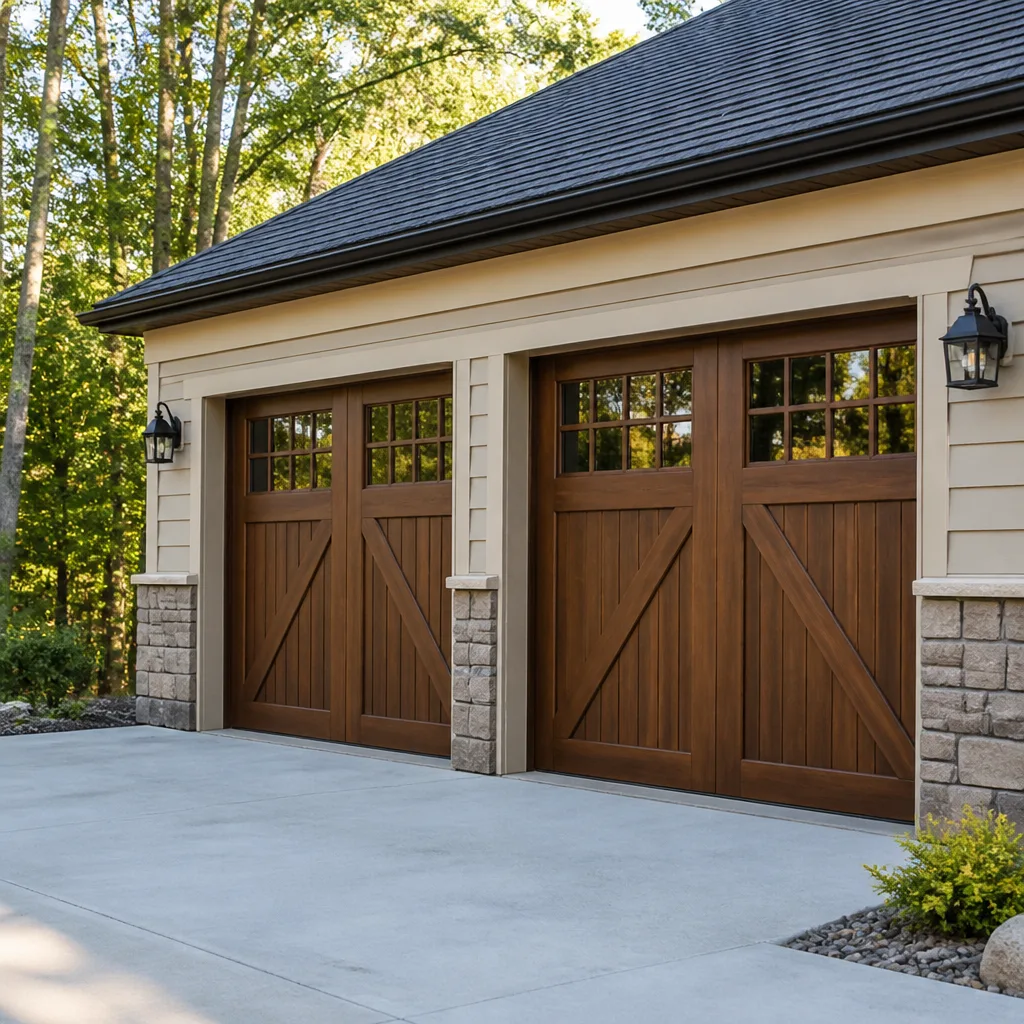 Carriage house
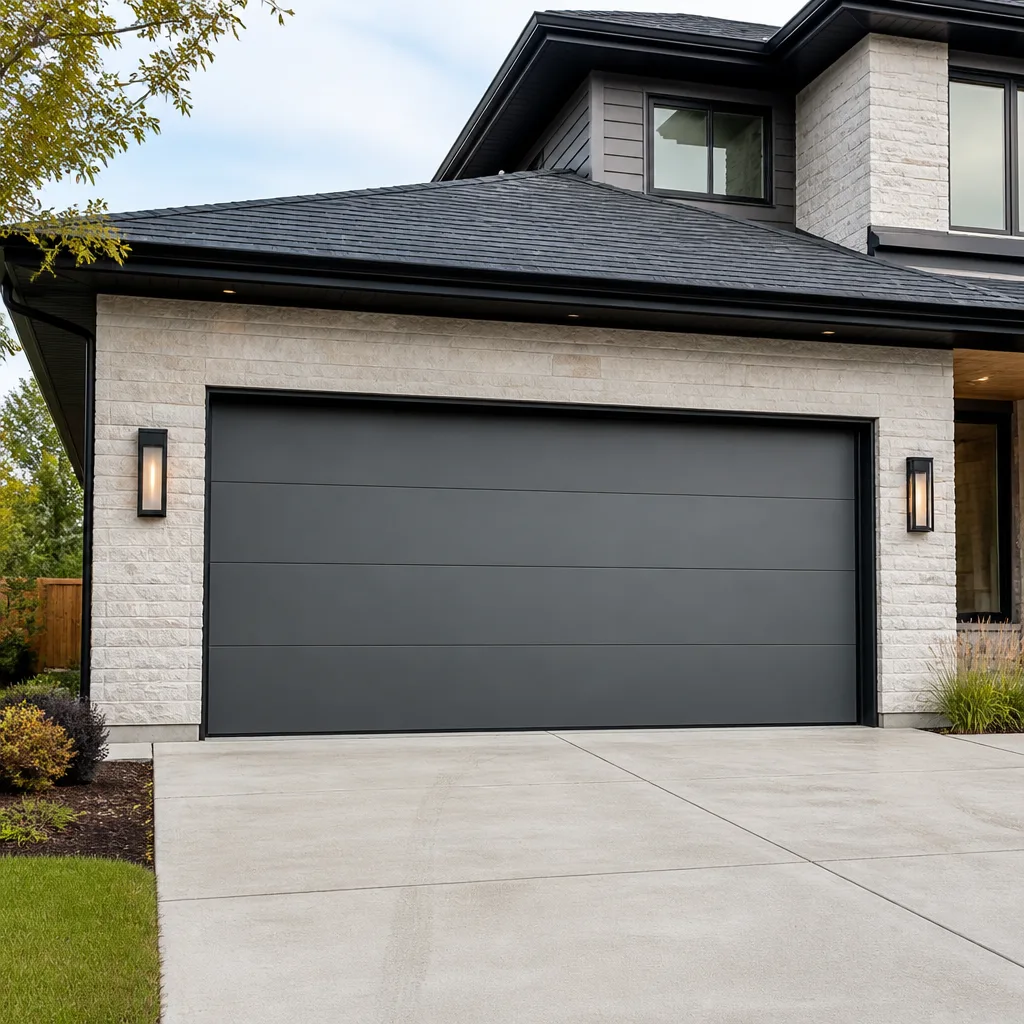 Modern flush
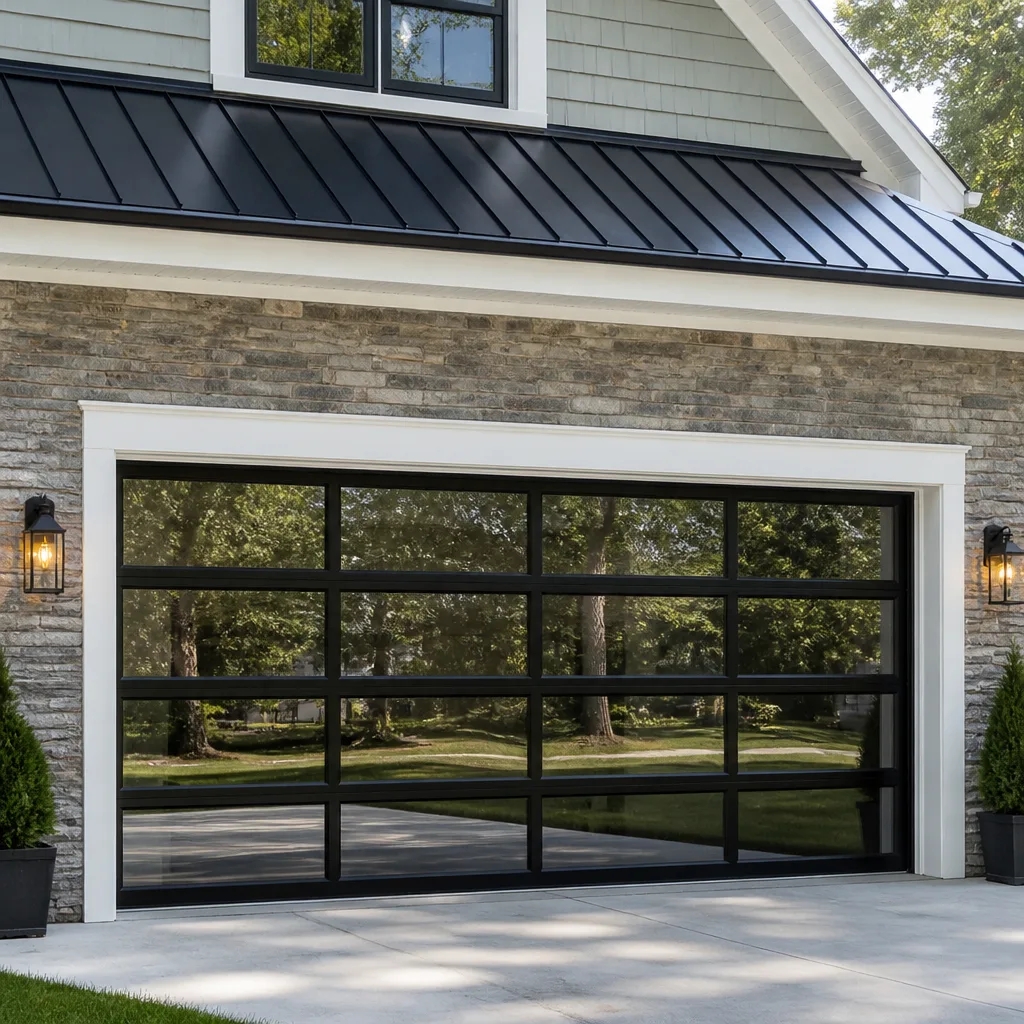 Full-view glass
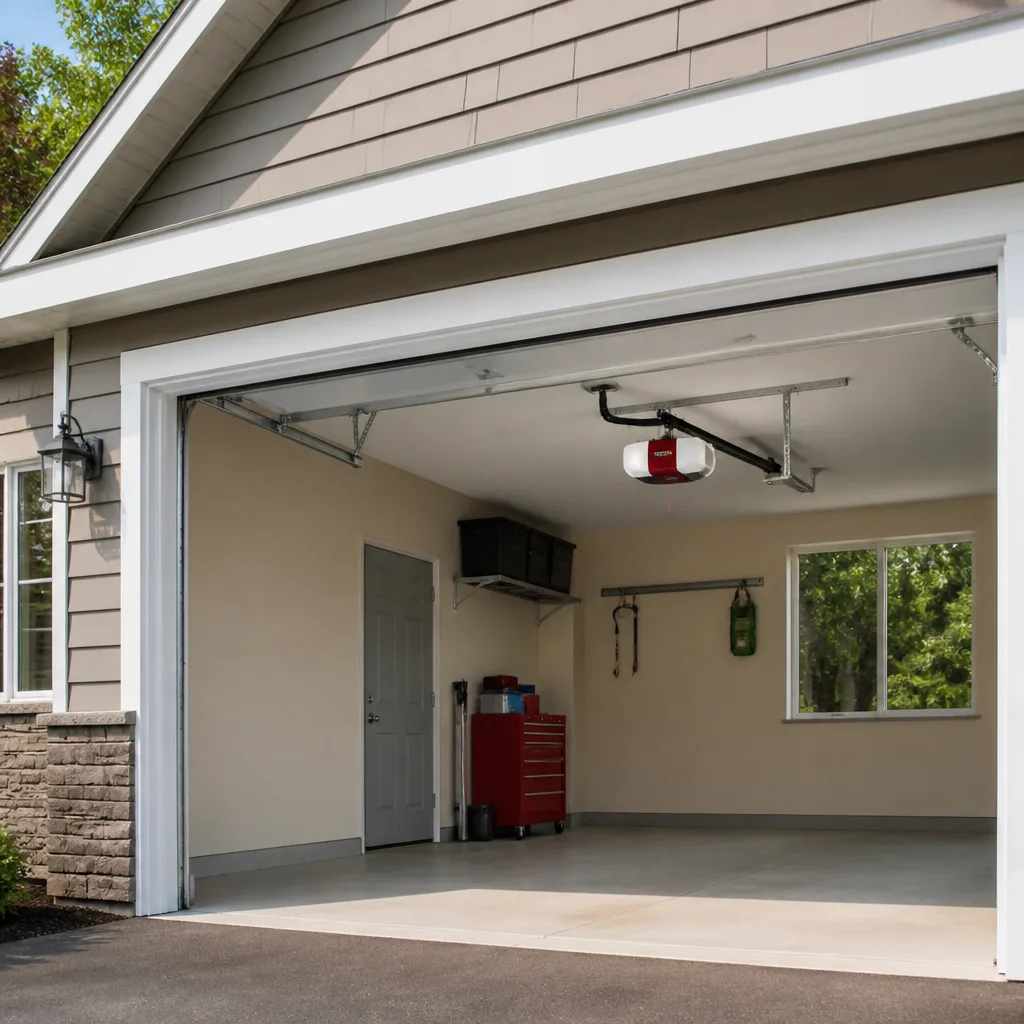 LiftMaster openers
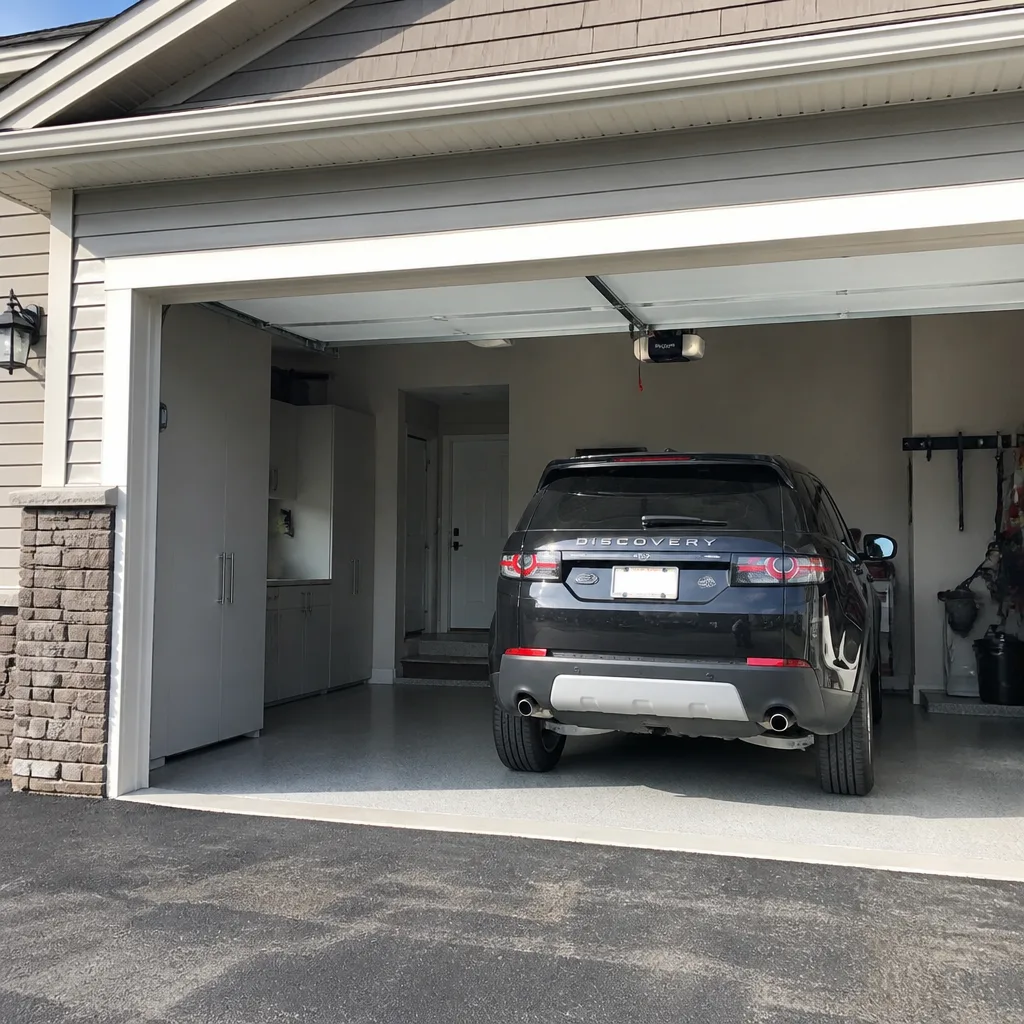 Chamberlain openers
Full 25-point door and opener safety check with every visit - springs, cables, rollers, tracks, and your LiftMaster or Chamberlain opener included
You get a price before we start. It does not change when the pro arrives.
Get your free estimateGarage Door Repair Troubleshooting in South Fulton: Common Problems and How to Fix Them
A garage door doesn’t just break. It warns you for weeks first. The grinding that starts as a soft scrape, the door that hesitates before it lifts, the opener that sounds a little more strained every morning – these are the early signals, and they follow a predictable sequence. Homeowners who notice them early usually end up paying for a worn roller or a snapped cable. Homeowners who ignore them often replace parts that were never the problem. This guide teaches you to read the sequence: noise first, then resistance, then failure. You’ll learn which symptoms point to rollers and lubrication, which ones mean a broken spring, why South Fulton’s humidity quietly accelerates wear on certain components, and exactly where the line sits between a safe check you can do yourself and a job that needs a trained technician on-site.
Quick Answer
Most garage door problems in South Fulton can be narrowed down by matching the symptom pattern: grinding plus slow movement usually means worn rollers or dry hinges, while grinding followed by a sudden full stop usually means a broken torsion spring or a snapped cable. Three checks are safe for a homeowner to do – a visual spring inspection, a balance test with the door disconnected, and photo-eye alignment. Anything involving springs, cables, bottom brackets, or a door that’s off its track needs a trained technician, because those parts hold tension and can cause serious injury. The price you agree to before work starts is the price you pay.
Styles & brands we work with
- Raised-panel steel
- Carriage house
- Modern flush
- Full-view glass
- LiftMaster openers
- Chamberlain openers
Table of Contents
- Why Garage Door Problems Follow a Sequence, Not a Surprise
- The Most Common Garage Door Problems We Diagnose in South Fulton
- The Symptom Map: Reading Noise, Resistance, and Failure Together
- Why Humidity Cycles in South Fulton Wear Out Cables and Brackets Faster
- Three Safe DIY Checks and Four Situations That Need a Technician
- The Misread Symptom That Leads to Unnecessary Part Replacement
- When the Problem Is the Opener, Not the Door
- What Repair Work Typically Costs in South Fulton
- The Decision Tree: DIY Fix or Professional Diagnosis?
Why Garage Door Problems Follow a Sequence, Not a Surprise
A garage door is a balanced mechanical system under constant tension. Every cycle moves a door that can weigh well over a hundred pounds, and every component – the torsion spring, the cables, the rollers, the hinges, the track, the opener’s drive gear – wears at its own pace. That’s why failures rarely come out of nowhere. They escalate through stages.
The sequence generally looks like this:
- Noise stage. The door sounds different. A scrape, a squeal, a rattle, a groan. Nothing has stopped working yet, but friction has increased somewhere in the system.
- Resistance stage. Movement slows, the door jerks, the opener struggles on the first lift of the day, or the door reverses before closing. Wear is now affecting function.
- Failure stage. The door stops mid-travel, won’t open at all, hangs crooked, or the opener runs without moving the door.
Reading which stage you’re in is the fastest way to a correct diagnosis. A noise-stage problem is usually lubrication or a worn roller. A failure-stage problem is often a spring or cable. Those two repairs sit at very different ends of the cost range, which is why pattern-reading matters. In our experience around South Fulton, homeowners who call at the noise stage almost always get a cheaper, simpler repair than the ones who call after the door has fully stopped. That’s not a scare tactic – it’s just how mechanical wear works. The earlier you catch it, the fewer parts have been stressed by the failing one.
It also matters for security. Your garage door is the largest single opening into your home. A door that’s holding on a tired cable is still a door you close at night trusting it to stay closed. The Sentry name exists because we treat that responsibility as the point of the trade, not a sales angle.
The Most Common Garage Door Problems We Diagnose in South Fulton
Across the neighborhoods of South Fulton – from older brick ranch homes near Cascade to newer builds out toward the Flat Shoals corridor – the problems repeat. The house style changes, the exact cause rarely does. Here’s what we see most.
1. Broken torsion spring
The single most common failure. A torsion spring is rated in cycles, and a household that opens and closes the door four times a day will wear it out in a handful of years, faster in a home with more traffic. A broken spring usually announces itself with a loud snap, though many homeowners don’t hear it and instead find the door heavy or immovable the next morning. Never try to lift a door with a broken spring – it won’t balance and can slam down.
2. Frayed or snapped cables
The cables run from the bottom bracket up to the drums. When they fray, the door can shift off-level and grind on one side. A snapped cable usually drops one corner of the door crooked. This is the component most affected by local humidity, which we’ll get to.
3. Worn rollers and dry hinges
Rollers wear flat on one side and rattle in the track. Hinges dry out and squeal. These are noise-stage problems, and they’re the cheapest fixes you’ll make. Left alone, a sticking roller strains the opener and the spring.
4. Bent or misaligned track
A bump from a car, a loose track bolt, or a rusted bracket can knock the track out of alignment. The door then binds, jerks, or pulls away from the frame. Track repair is a precision job, not a hammer job.
5. Opener drive problems
On LiftMaster, Chamberlain, Genie, and Craftsman units alike, we see stripped drive gears, worn trolley assemblies, and remote pairing failures. These are genuinely distinct from door problems.
6. Photo-eye and safety sensor faults
The safety sensors at the base of the door, about six inches off the ground, must see each other to let the door close. A misaligned sensor, dust, spider webs, or a sun-facing lens will make the door reverse or refuse to close at all. This is a common and often self-fixable problem.
The Symptom Map: Reading Noise, Resistance, and Failure Together
A symptom on its own tells you little. The same grinding sound means completely different things depending on whether the door still moves, and how. This is the core of the guide, so here’s a practical symptom map you can use to narrow down what’s happening before you call anyone.
- Grinding + door still moves, just slowly. Worn rollers, dry hinges, or low lubrication on the track. Usually a noise-stage problem, and the cheapest fix on this list.
- Grinding + full stop, door won’t move. A broken torsion spring or snapped cable. Stop here. Don’t force it. If you pop the opener’s emergency release, the door may drop.
- Popping or snapping sound + door hangs crooked. A snapped cable. Crooked angle is the giveaway. Call a technician.
- Door reverses before closing, or won’t close with the remote. Photo-eye alignment first, then check for an obstruction in the track.
- Opener hums but door doesn’t move. A stripped drive gear in the opener, or a broken disconnect. This is opener-side, not door-side.
- Door is heavy to lift by hand but opens normally with the opener. A balance problem – usually the torsion spring has relaxed or the door is mis-tensioned.
- Grinding near the top of the rail as the door opens. Rollers or a bent track at the curve. Look carefully before the door wedges.
Pair this map with the sequence above and you’ll usually land within one or two possibilities. When we diagnose a door in South Fulton, we work the same way: listen first, feel the balance second, watch the third and fourth cycles, then look. Diagnosing by symptom pattern is faster and more accurate than starting from the parts. It’s why brand fluency matters too. A Genie opener and a LiftMaster opener fail in different ways, and knowing the system tells you where to look on the first visit.
Why Humidity Cycles in South Fulton Wear Out Cables and Brackets Faster
South Fulton sits in the humid subtropical belt of Georgia, where summer air holds heavy moisture and the temperature swings between day and night push that moisture in and out of every metal part on your door. This matters more than most homeowners realize.
Two things happen. First, condensation forms on the cables, bottom brackets, and track fasteners whenever the garage warms and cools around them. The cable is thin, braided steel under tension – exactly the kind of part that traps moisture in the braids. Over time, that trapped moisture works from the inside. The cable doesn’t usually snap cleanly; it frays first, with visible fish-hooks of steel along its length. That fray is your warning, and it usually appears months before a full break.
The bottom bracket – the metal piece at each lower corner of the door where the cable attaches – is the second victim. It sits low where floor moisture collects after a rainy stretch, and it corrodes at the bolt points. A rusted bracket holding a frayed cable is the scenario we least like to see, because the failure mode is sudden. It’s also why we tell homeowners to look for rust and fray as a package, not two separate problems.
What does this mean in practice?
- Check cables for fray a couple of times a year, not just when the door acts up. Look for stray wires poking out of the braid along the length that runs from the bottom corner up to the drum.
- Watch the bottom brackets for rust at the fasteners, especially after a wet spring. Surface rust is normal; pitted rust at the bolts is not.
- Keep the track and hinges lightly lubricated. A proper garage door lubricant stays put through humidity better than a general-purpose oil, which attracts dust.
Cables and brackets under tension are not a homeowner repair. If you see fray or serious rust, note it and call a trained technician. Getting the system re-tensioned correctly is the whole job, and it’s the part that protects the door, the car underneath it, and anyone standing nearby.
Three Safe DIY Checks and Four Situations That Need a Technician
Here’s where we plant a flag on safety. Some troubleshooting you can and should do yourself. Some of it you absolutely shouldn’t. The line sits at anything holding stored tension or supporting the door’s weight.
Safe DIY check #1: Visual spring inspection
Look, don’t touch. Stand in front of the door and look at the torsion spring or springs mounted on the bar above the door (or the extension springs along the sides on older models). A healthy torsion spring is one continuous coil. A broken one has a visible gap where the coil has split. Extension springs should have intact safety cables running through them. Seeing a break is safe from a distance. Touching or trying to unwind anything is not.
Safe DIY check #2: The balance test
Close the door, then pull the manual release handle on the opener trolley to disconnect the door from the opener. Lift the door by hand to about halfway and let go. A balanced door will hold roughly where you put it. A door that falls fast, or that takes real effort to lift, has a spring or balance problem – which is your cue to leave it disconnected and call us.
Safe DIY check #3: Photo-eye alignment
Look at the two small sensors at the base of the door on each side. They should face each other squarely, with no dirt, cobweb, or clutter blocking the line between them. You can wipe the lenses and nudge a bracket back into alignment gently. If the indicator light on the sending unit stays dark or the receiving unit won’t light up, the sensor or the wiring is the problem.
Four situations that need a technician on-site immediately:
- Any broken spring. Torsion and extension springs are under extreme tension. A spring that has split can still be under load, and the tools to unwind and replace one are specialist tools. Do not touch it.
- Any frayed or snapped cable. Cables hold the door’s weight on each side. A frayed cable can whip free under tension. Stop using the door.
- Any loosened or rusted bottom bracket. The bottom bracket is bolted under tension to the cable. A bracket that’s moved or badly rusted is a sudden-failure risk.
- A door that’s off its track or hanging crooked. Forcing a crooked door back onto the track can drop it. Leave it closed and call.
If any of the four above is your symptom, don’t run the opener to “see if it fixes itself.” Call garage door repair for professional diagnosis. Call (833) 612-7942 – we answer 24/7. Fast dispatch from 7am to 7pm, Sunday through Friday.
The Misread Symptom That Leads to Unnecessary Part Replacement
Here’s the scenario we see most often when a homeowner calls us after a bad first diagnosis: the opener was replaced, and the door still binds. Or the springs were replaced, and the door still grinds. The problem wasn’t the part that got swapped – it was a symptom that looked like a motor problem but was actually a binding track.
Why does this happen? Because a strained opener and a struggling door sound similar. When the door binds on one side – because a track is slightly out of line, a roller has worn flat and is dragging, or a hinge is seized – the opener has to push harder than it was designed to. The motor draws more current, the drive gear wears, and the opener either groans, slows, or eventually strips its gear. A less careful diagnosis sees the strained opener and replaces it. The actual cause – the binding door – is still there, and the new opener strains against it the same way.
The fix is to trace the strain back to its source before replacing anything. The right sequence:
- Disconnect the door from the opener and check whether the door moves freely by hand.
- If it doesn’t, the door is the problem, not the opener. Look at the rollers, track, and hinges.
- If it moves freely, the door isn’t the problem. Now look at the opener.
That simple step – test the door before testing the opener – is the difference between one correct repair and a chain of unnecessary ones. It’s also why we work across a wide set of brands. A LiftMaster and a Genie don’t share drive mechanisms, and a Clopay door’s roller carriages aren’t the same as a Wayne Dalton’s. Knowing the brand means knowing where wear shows up first. A brand-agnostic approach means we recommend what your door needs, not what a dealer agreement points us toward.
The same principle applies on the door side. A door that jerks as it travels, with a rattle near a particular hinge, is often a single worn roller and a dry hinge, not a spring on its way out. Replacing a spring that wasn’t failing solves nothing and costs more than the problem. Our rule of thumb: fix the cause, not the loudest symptom.
When the Problem Is the Opener, Not the Door
Roughly a third of the calls we get on a garage door turn out to be opener-side. Recognizing the difference early saves you a wrong repair, so here’s what separates them.
Signs the door itself is fine and the opener is the problem:
- The door moves freely by hand once disconnected from the opener.
- The opener hums or clicks but the door doesn’t move.
- The door opens with the wall switch but not the remote, or vice versa.
- The remote has to be pressed multiple times, or works only within a short distance.
- The opener’s light flashes a specific pattern. Check the owner’s manual for that model’s code.
Common opener failures by type:
On traditional radio-frequency units – most LiftMaster, Chamberlain, Genie, and Craftsman systems – the most common failures are the drive gear (a plastic or nylon gear that strips after years of use), the logic board, and the safety reverse circuit. On newer smart or Wi-Fi-connected openers, we also handle pairing failures, app connectivity problems, and firmware issues that prevent the remote from pairing after a router change. These are different skill sets from door repair, and most door-only shops don’t cover them.
What to check before calling:
- Confirm the wall outlet the opener plugs into has power. A tripped breaker or a loose plug is a common and embarrassing “failure.”
- Check that the manual release hasn’t been left disengaged – the rope handle should be hanging normally, not pulled.
- Look at the opener’s indicator light. A rapid flash often means a safety-sensor problem; a steady or slow flash often means a logic fault.
- Change the remote battery, then try re-pairing the remote if the brand supports it.
If none of that brings the door back, it’s time for garage door opener repair. We diagnose the opener by the system it is – brand, model, vintage, and connection type – rather than swapping parts until something sticks.
What Repair Work Typically Costs in South Fulton
Homeowners want two things from a price conversation: a real range they can plan around, and the assurance that the number won’t move after the technician arrives. We can give you both. Below are the typical estimated ranges for the work described in this guide. These are not exact quotes. Every job is priced by the written estimate you receive before any work begins, so you’ll know the full cost before a wrench comes out.
A word on the spring ranges: a spring price is for a single spring. When a torsion spring breaks, the matched pair is usually replaced together, and a pair costs about twice the single-spring range. That’s not upsell – a pair that has cycled together has aged together, and replacing one leaves the other close behind.
| Repair | Typical estimated range |
|---|---|
| Single torsion spring replacement | $180 – $340 |
| Matched pair of torsion springs | About twice the single-spring range |
| Cable replacement (per side or pair) | $140 – $260 |
| Roller replacement (set) | $90 – $180 |
| Hinge and lubrication service | $80 – $150 |
| Track realignment or replacement | $150 – $320 |
| Photo-eye sensor replacement | $100 – $200 |
| Opener drive gear or logic board repair | $150 – $350 |
| Full opener replacement | $350 – $650 |
These ranges are typical for the South Fulton market. Your written estimate is the price. If the technician finds something additional once the door is in front of them, you’ll hear it before they start, not after. That’s the standard we work to.
For the most common call – a broken spring – the total job typically lands in the $180 to $340 range for a single spring, and a pair is about double. If you’re wondering “How much does a broken garage door spring repair cost in South Fulton?” that’s the honest answer. If you want an exact price for your door, call (833) 612-7942 for a free estimate.
The Decision Tree: DIY Fix or Professional Diagnosis?
Here’s the whole guide compressed into one decision path. Start at the top and follow the first symptom that matches your garage door.
Step 1: Is the door stuck, crooked, or hanging off its track?
- Yes -> Stop using the opener. Call a technician. Off-track doors can drop.
- No -> Go to Step 2.
Step 2: Can you see a visible gap in the torsion spring, or visible fish-hook fray on a cable?
- Yes -> Stop using the door. Call a technician. Do not touch the spring or cable.
- No -> Go to Step 3.
Step 3: Does the door reverse or refuse to close when you use the remote?
- Yes -> Clean and align the photo-eye sensors. Wipe the lenses. Remove any obstruction. If it still won’t close, call a technician.
- No -> Go to Step 4.
Step 4: Disconnect the door from the opener and lift it by hand. Does it move freely and stay roughly where you put it?
- No, it’s heavy or falls -> Balance or spring problem. Call a technician.
- Yes, it moves fine -> The door is fine. Go to Step 5.
Step 5: Does the opener hum or click without moving the door?
- Yes -> Opener-side problem. Call for opener repair.
- No -> Go to Step 6.
Step 6: Is the only issue noise – grinding, squealing, or rattling – while the door otherwise moves normally?
- Yes -> Lubricate the hinges, bearings, and track with a proper garage door lubricant. If grinding near a specific roller continues, plan a roller replacement. This is the cheap end of the range.
- No -> If the symptom doesn’t fit any of the above, describe it on the phone and let a technician diagnose.
Step 7: Was the door struck by a vehicle, hit by a bicycle, or damaged by storm debris?
- Yes -> Report it and call. Panel and track damage after an impact is almost never cosmetic.
This tree works for most of the homes we see across South Fulton. Older brick ranches and newer construction alike share the same mechanical logic, and the same climate reality – humidity that wears on cables and brackets faster than homeowners expect. When the tree ends at “call a technician,” call (833) 612-7942. We answer 24/7. Fast dispatch from 7am to 7pm, Sunday through Friday.
Common Mistakes to Avoid
- Replacing the opener when the door is binding. A strained opener is often a symptom, not the cause. Test the door by hand first. Replacing an opener against a binding door costs you twice.
- Ignoring frayed cables because “the door still works.” Fray precedes failure by months in this climate. A cable that’s frayed but still holding is a loan, not a fix.
- Using WD-40 or general oil on the track. These attract dust and gum up rollers. A proper garage door lubricant stays clean through humidity. It also doesn’t fix wear, only delays it.
- Forcing a crooked door back onto its track. Off-track doors can drop on you. Leave it and call. This is one of the four situations that needs a technician.
- Popping the emergency release on a door with a broken spring. The release disconnects the opener. On a door with a broken spring, the door can slam down hard. Don’t pull it unless the door is fully closed and you’re sure.
- Replacing a single spring when its matched pair is equally old. Both have cycled the same number of times. Replacing one leaves the other close behind, and you’ll be back for the second in short order.
- Skipping the visual check after a wet spring. South Fulton’s humidity cycles are the prime cause of cable fray and bracket rust. A two-minute look in spring and fall catches most of it.
See the difference
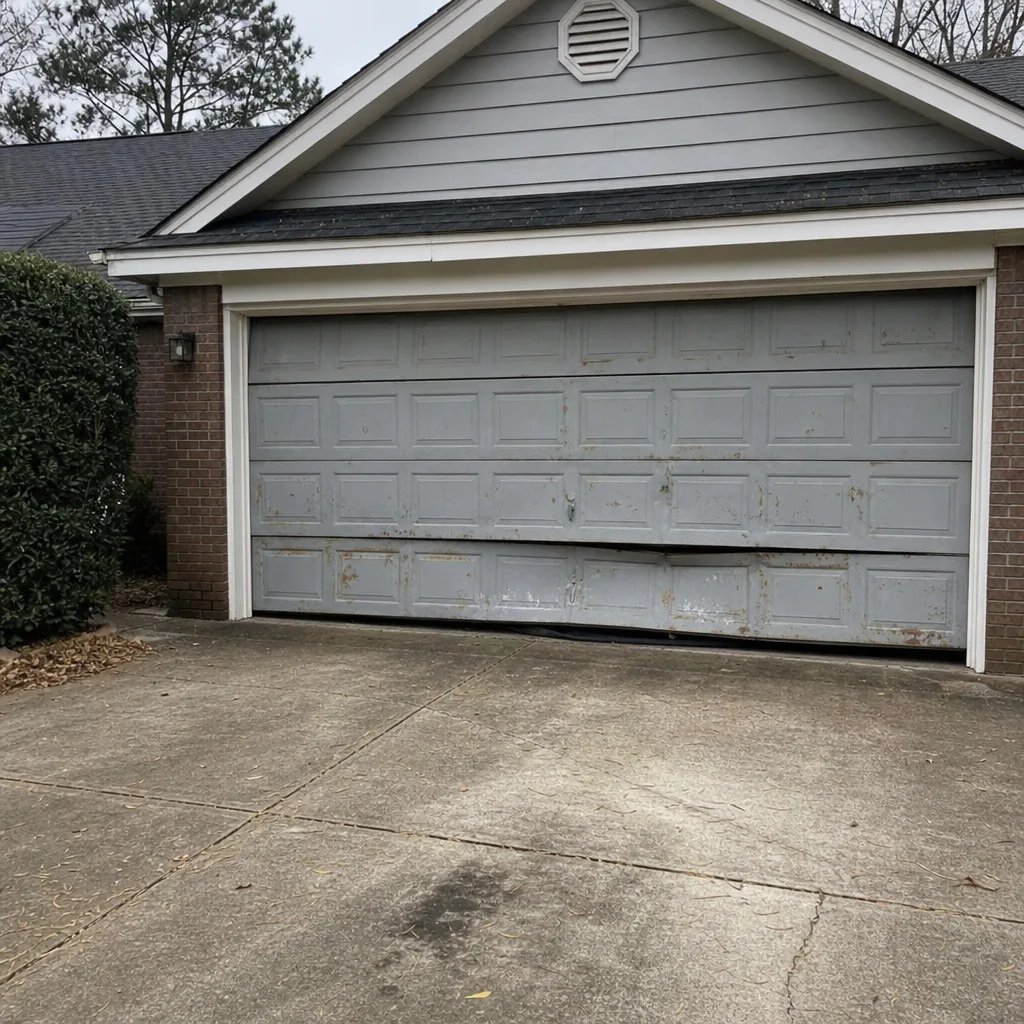 Before
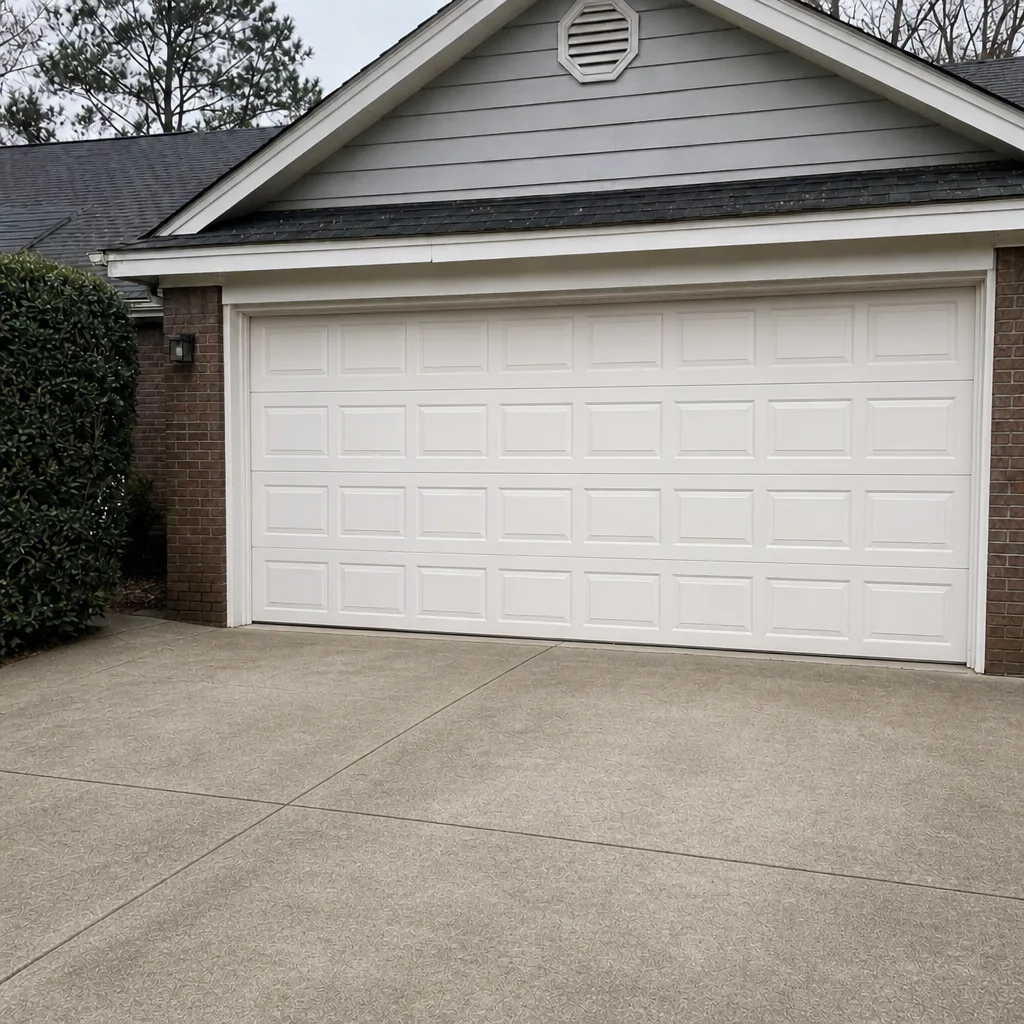 After
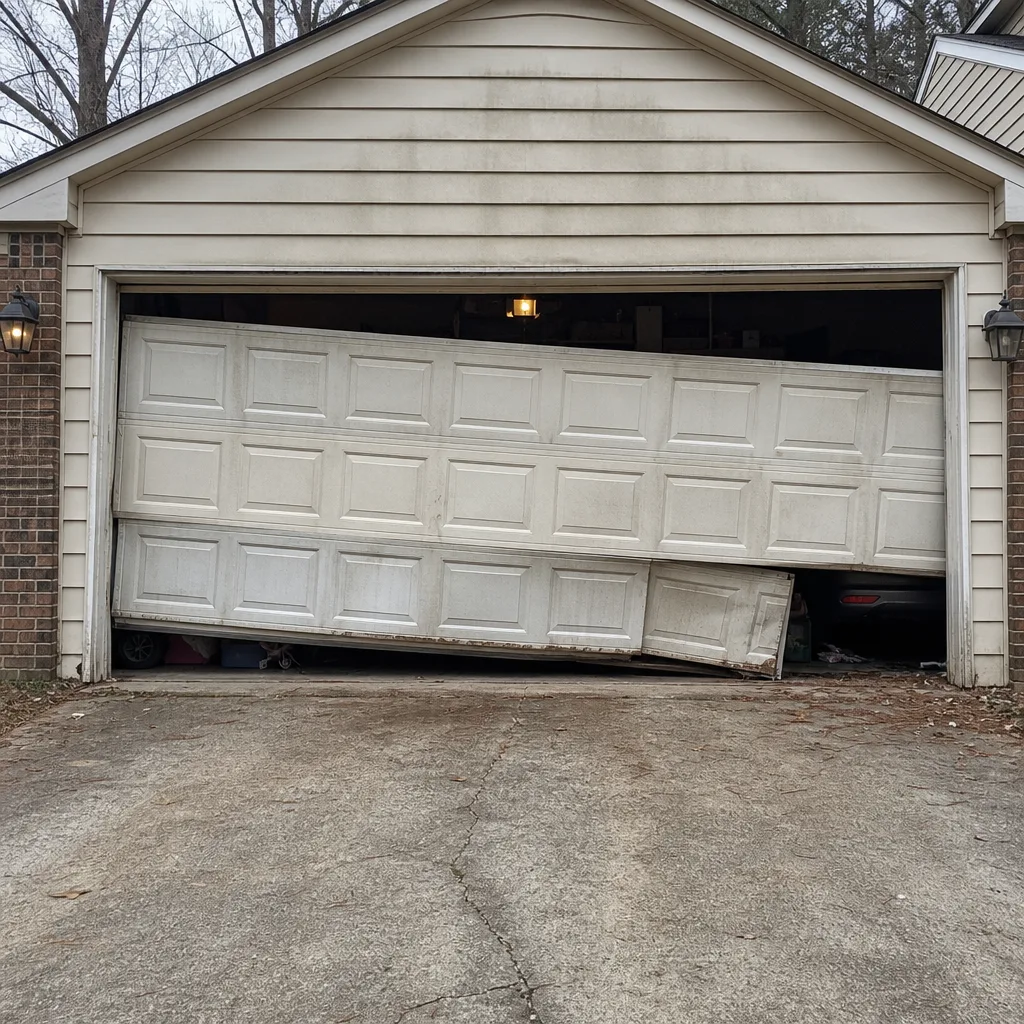 Before
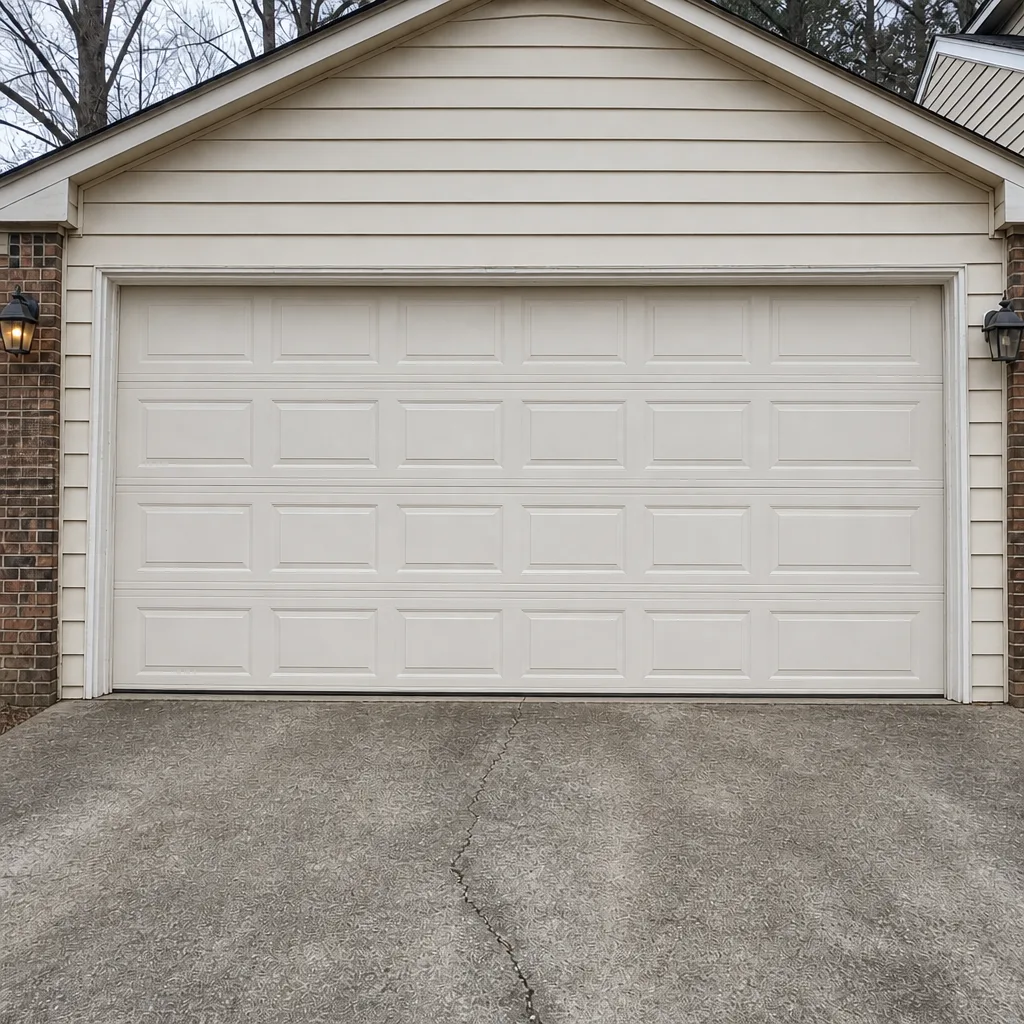 After
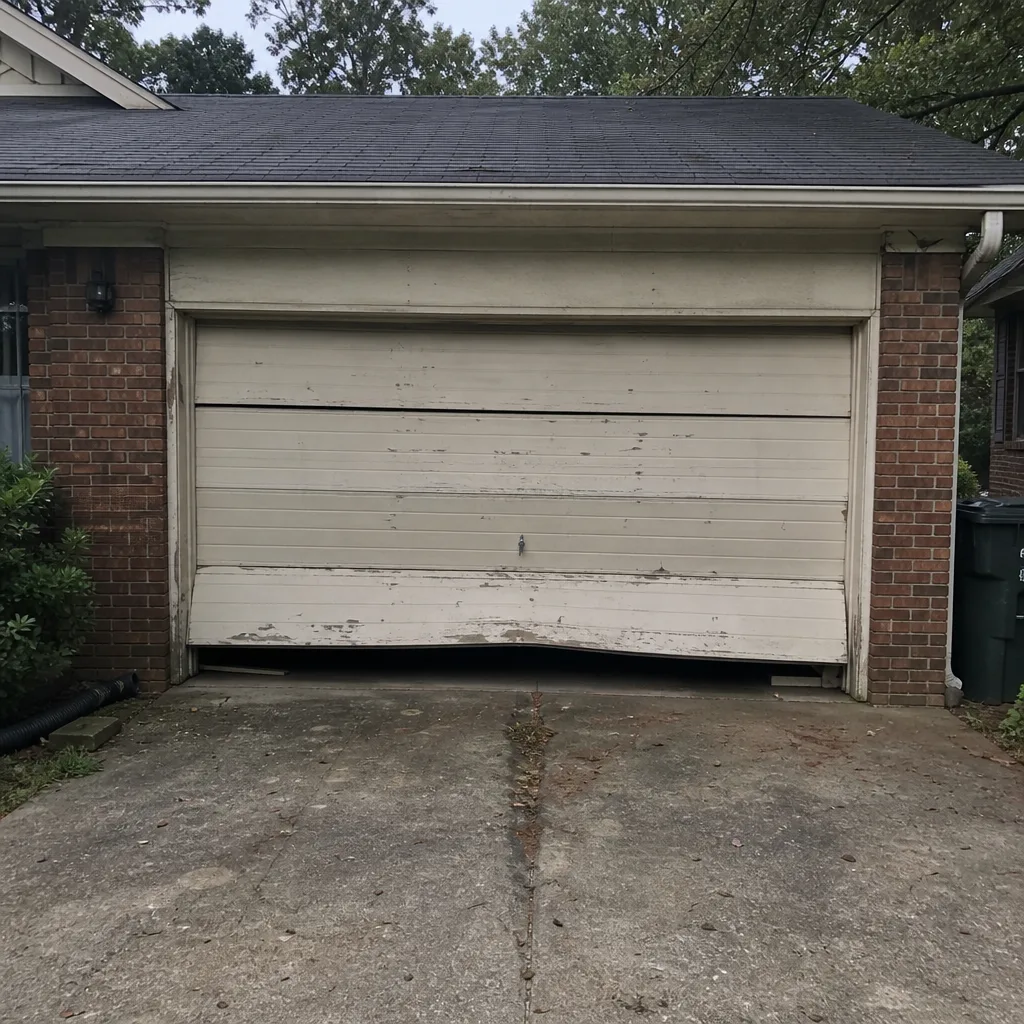 Before
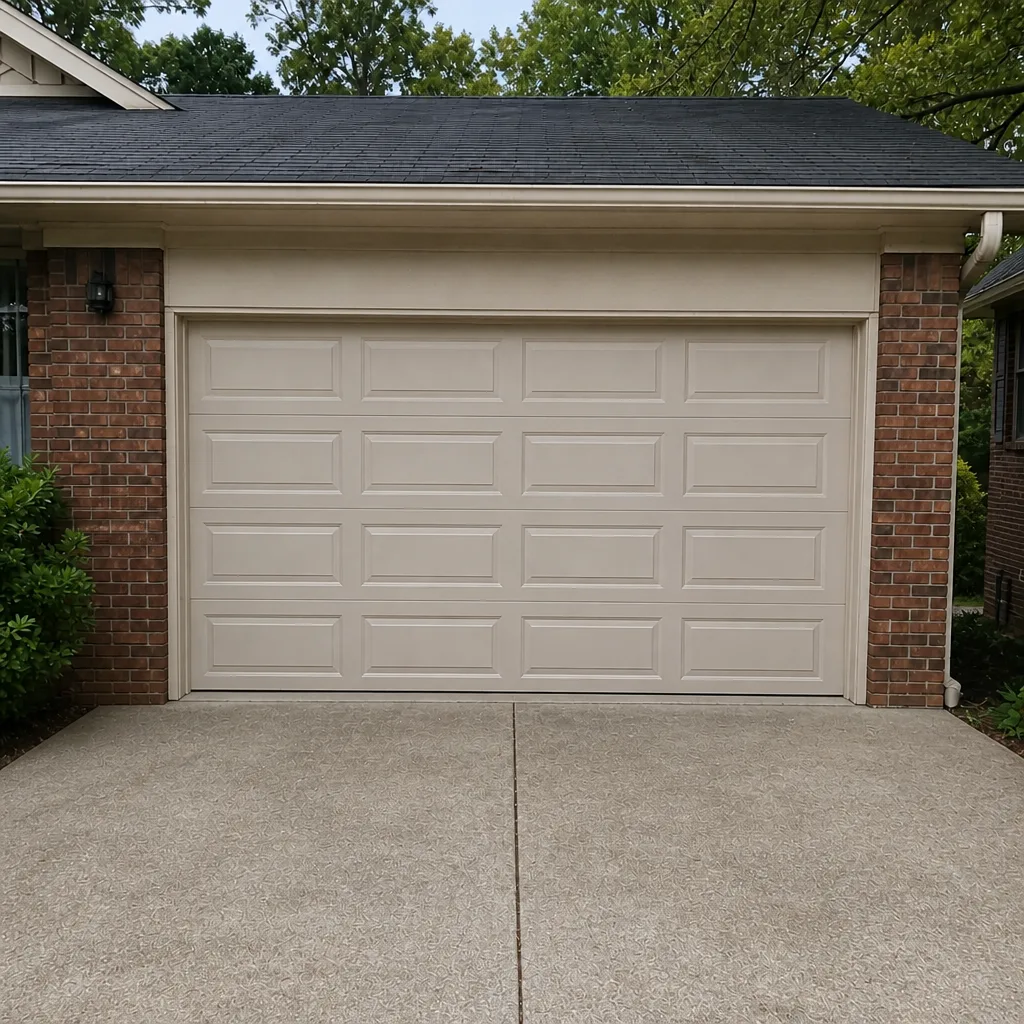 After
When to Call a Professional
Some repair work is a technician’s job, not because the trade wants to keep it, but because getting it wrong causes real injuries. Call a trained professional the moment you find a broken spring, a frayed or snapped cable, a rusted or loosened bottom bracket, a door off its track, or an opener behaving erratically around the safety reverse circuit. If you’re unsure, describe the symptom on the phone. We can usually tell you whether it’s urgent.
Sentry Garage Door Repair offers free estimates in South Fulton – call (833) 612-7942. Our technicians have up to 9 years of experience. We’ll give you a written price before we touch the door. Call (833) 612-7942. We answer 24/7. Fast dispatch from 7am to 7pm, Sunday through Friday.
Frequently Asked Questions
Most garage door repairs in South Fulton fall somewhere between about $90 for a roller and lubrication service and about $340 for a single torsion spring replacement, with a matched pair costing about twice the single-spring range. Opener repairs run $150 to $350, and a full opener replacement is typically $350 to $650. Every job is priced by the written estimate you get before work starts. Call (833) 612-7942 for an exact quote – estimates are free.
Yes, in most cases we can get a technician out the same day. We dispatch six days a week, Sunday through Friday, 7am to 7pm. Call (833) 612-7942 and describe the symptom – a stuck door is usually faster to triage than homeowners expect. A call outside dispatch hours is booked into the next opening, Sunday through Friday, 7am to 7pm.
No – the written estimate you agree to before work begins is the price. If the technician finds something additional once the door is inspected, you’ll hear it before they start, and you’ll decide whether to proceed. We don’t swap parts or add line items after the fact. Call (833) 612-7942 for a written estimate – it’s free.
Yes. Our technicians are state-licensed and insured, and our technicians have up to 9 years of experience. We work on the eight major brands – LiftMaster, Chamberlain, Genie, Clopay, Amarr, Wayne Dalton, Craftsman, and Raynor – so the technician who arrives has seen your system before. Call (833) 612-7942 to schedule a free estimate.
Humidity cycles are the main reason. South Fulton’s warm, wet air condenses on the braided steel cables and works into the braid, where it rusts from the inside out. The bottom brackets are the second most affected part, since they sit low where floor moisture collects. Check for stray, fish-hook steel along the cable length a couple of times a year – it’s the earliest sign. If you see fray, call (833) 612-7942; a frayed cable is a technician job, not a DIY fix.
Not necessarily. A humming opener usually has a stripped drive gear or a disconnected trolley, both of which are repairable – typically $150 to $350. First disconnect the door from the opener and test it by hand. If the door moves freely, it’s an opener-side problem. If it doesn’t, it’s a door problem and the opener is fine. Call (833) 612-7942 and describe what you find; we can narrow it down on the phone.
The Bottom Line
Garage door failures follow a sequence. Catching the sequence at the noise stage gets you a simpler, cheaper repair than catching it after the door has stopped. South Fulton’s humidity accelerates wear on cables, bottom brackets, and metal fasteners, so a visual check twice a year is worth more than any single repair. Three checks are safe for you to do – a visual spring inspection, a balance test, and photo-eye alignment. Anything holding stored tension is not. And a misread symptom, like a binding door blamed on the opener, is the leading cause of unnecessary part replacement. One call covers the door, the opener, and the installation. When in doubt, call (833) 612-7942 for Sentry Garage Door Repair – a free estimate, a written price, and a technician who knows your system.
Written by the team at Sentry Garage Door Repair.